Trump-Xi White House Meeting Signals Stability Push
Trump and Xi called for cooperation and stronger crisis communication as their White House talks addressed trade, technology, Iran and global security

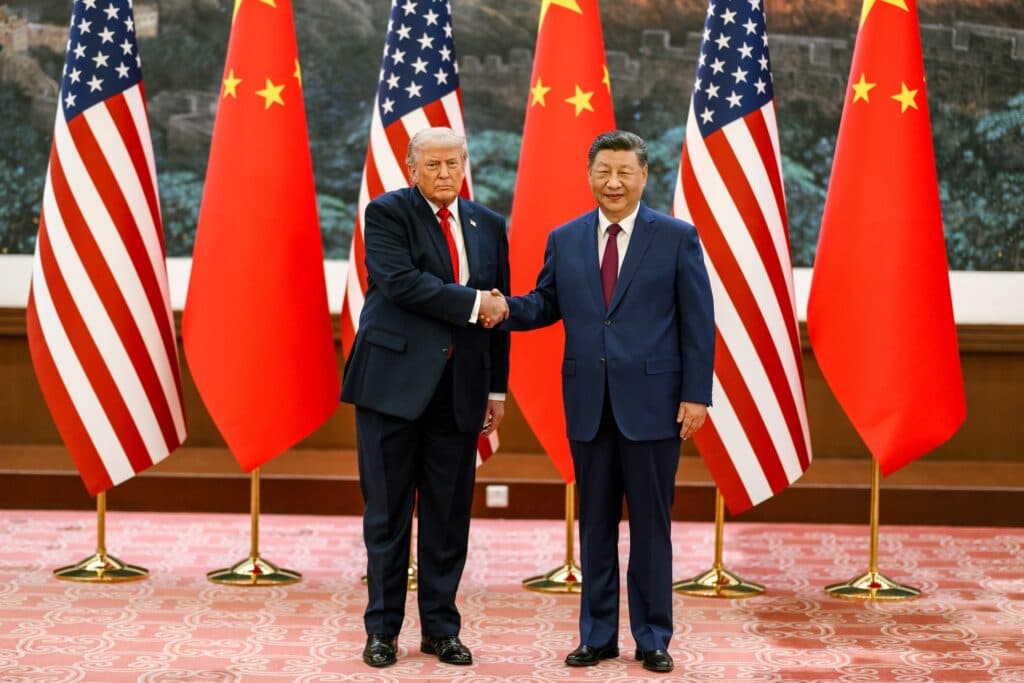
The Trump-Xi White House meeting opened with unusually conciliatory language from the leaders of the world’s two largest economies. President Donald Trump welcomed Chinese President Xi Jinping for a state visit focused on trade, technology, security and geopolitical disputes. Xi, meanwhile, argued that cooperation should outweigh confrontation and called for stronger military communication between Washington and Beijing.
Trump invoked the countries’ shared World War II history. “Just as our peoples worked together to win that war, President Xi and I will continue working together to forge a better future for both of our nations,” he said. Xi answered that China and the United States “stand to gain from cooperation and will both lose in confrontation,” while calling for regular military dialogue and better crisis-prevention mechanisms.
Psalm 34:14 says, “Seek peace, and pursue it.” The verse does not require nations to ignore threats or abandon their interests. Applied to relations between two heavily armed powers, its principle points instead toward the deliberate work needed to keep rivalry from becoming war.
Trump-Xi White House Meeting Seeks Controlled Competition
Xi told the White House audience that competition between China and the United States should remain “healthy” and within limits. He compared it to a race rather than a fight in which one side must destroy the other. He also said China’s goal of national “rejuvenation” and Trump’s goal of making America great again could “go hand in hand.”
The warm language does not erase major disagreements. Trade barriers, rare-earth minerals, artificial intelligence and Taiwan remain sources of tension. Existing economic commitments between Washington and Beijing have also progressed unevenly, according to AP, despite both governments seeking greater stability.
Xi’s visit is his second state visit to the United States, following his 2015 visit during the Obama administration. The more unusual development this year is the speed of the reciprocal diplomacy. China’s Foreign Ministry said Trump and Xi exchanged presidential visits within less than six months, something it described as unprecedented in the history of the bilateral relationship.
That pace reflects the stakes. Washington and Beijing remain strategic competitors, yet a breakdown in communication between them could affect global trade, technology, financial markets and military security far beyond either country.
Iran Gives Washington and Beijing Common Ground
The Middle East adds another dimension to the talks. China has remained Iran’s most important crude-oil customer while Washington has tried to cut Tehran’s export revenues through sanctions and a naval blockade. Reuters reported in August that Chinese imports of Iranian crude had fallen sharply as the blockade reduced available supplies.
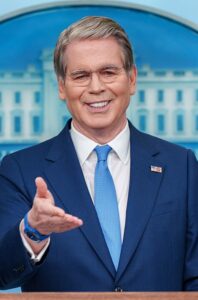
That issue connects directly with “Scott Bessent: Iran Has 30 Million Barrels Left for China.” Treasury Secretary Scott Bessent said only about 30 million barrels of Iranian crude remained available for Chinese purchase outside Washington’s blockade. He has also argued that the United States and China share important interests concerning Iran, including preventing a nuclear weapon and maintaining free navigation through the Strait of Hormuz.
China has not adopted Washington’s broader Iran strategy. Beijing rejects unilateral U.S. sanctions and maintains political and economic ties with Tehran. Reuters reported before the summit that expectations for Xi to exert major pressure on Iran remained limited, partly because Beijing sees Tehran as a strategic partner and resists American efforts to dictate its foreign relationships.
Still, China has practical reasons to avoid continued regional instability. Bessent noted that China receives a large share of its energy from the Gulf. The closure or disruption of major waterways therefore threatens Chinese economic interests even when Beijing and Washington disagree about how to handle Tehran.
That matters directly to Israel. Iran’s nuclear program, missile capabilities and support for armed groups remain central Israeli security concerns. Any Chinese pressure that reduces Tehran’s ability to finance or sustain those capabilities could affect the regional balance, while continued Chinese economic support could reduce the effectiveness of U.S. pressure.
Power, Peace and National Responsibility
The U.S.-China relationship also affects how much strategic attention Washington can devote elsewhere. A military crisis over Taiwan or another Indo-Pacific flashpoint would place new demands on American forces while the United States remains heavily involved in the Middle East. Stable communication with Beijing therefore has consequences for allies well beyond East Asia. Taiwan itself conducted major military exercises ahead of Xi’s visit, underscoring how unresolved those security tensions remain.
Israel watches that balance closely because the American alliance remains central to its regional deterrence. Jerusalem also maintains important commercial ties with China while relying on the United States for strategic and military cooperation. A more predictable relationship between Washington and Beijing can therefore reduce one source of global instability without requiring either country to surrender its core interests.
The covenantal traditions invoked in American and Israeli public life approach national responsibility differently. Jewish covenantal thought places the preservation of Jewish life and sovereign security at the center of Israel’s responsibilities before God. American civic and religious traditions have more often connected national power with liberty, ordered government and responsibility beyond America’s borders.
Those traditions do not dictate a single foreign policy. They do, however, place limits on treating power as an end in itself. Military readiness and economic strength can deter aggression, while diplomacy can reduce the risk that competition becomes destructive.
The Trump-Xi White House meeting does not end the strategic rivalry between the United States and China. The unresolved issues remain substantial, from Taiwan and technology to trade and Iran. What changed this week was the tone: both presidents publicly argued that competition can coexist with communication and that confrontation is not inevitable.
For Washington, the test will be whether that language produces measurable cooperation while protecting American interests. While for Israel, one of the most important questions will be whether improved U.S.-China dialogue changes Beijing’s approach toward Iran and the networks that continue to threaten regional security.
For more stories on Israel, faith, and the values behind the headlines, follow Sinai on Facebook and Instagram.
Discussion0
No comments yet — be the first to share your thoughts.