Iran Oil Minister Resigns as Energy Crisis Deepens
Iranian Oil Minister Mohsen Paknejad resigned as Tehran faces collapsing oil exports, a record-low rial and growing pressure from the regional war

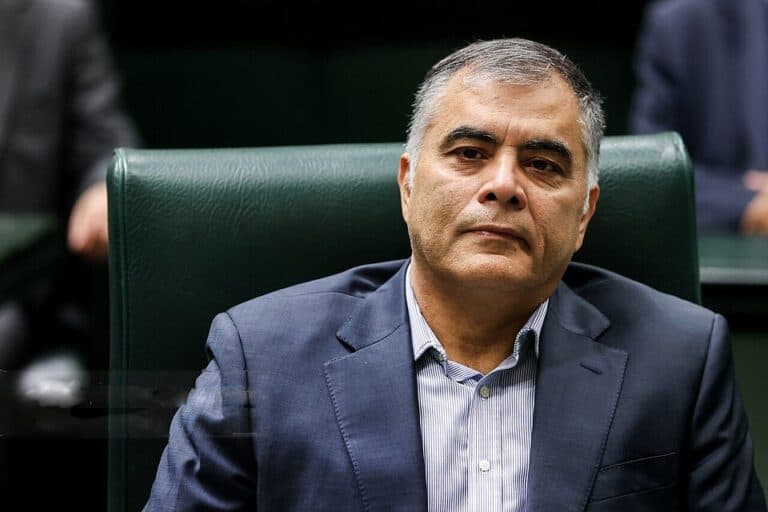
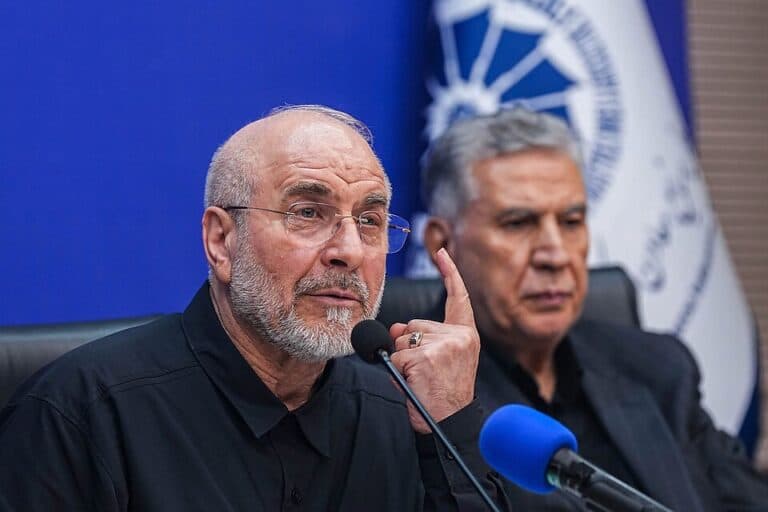
Iran Oil Minister Mohsen Paknejad resigns at one of the most difficult moments for the country’s energy sector in decades. Paknejad stepped down Sunday, and President Masoud Pezeshkian accepted his resignation. State media did not give a reason for his departure.
Pezeshkian appointed Hamid Bovard, head of the state-owned National Iranian Oil Company, as acting oil minister. The leadership change comes as U.S. sanctions, a naval blockade and the wider regional war place extraordinary pressure on Iran’s largest source of foreign revenue.
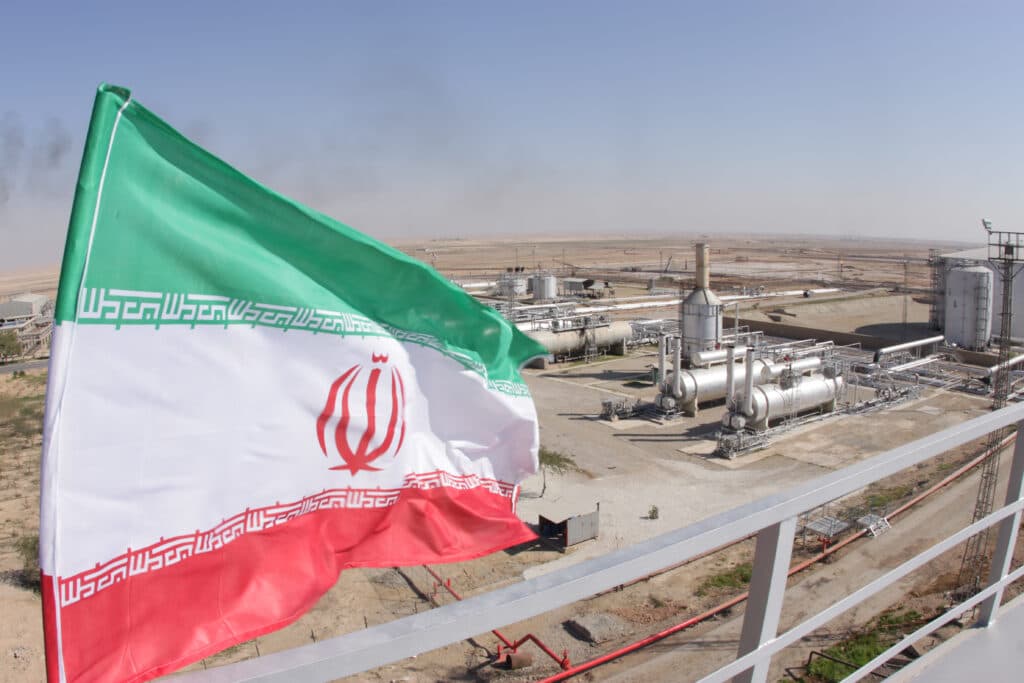
Proverbs 27:24 warns that “riches are not forever.” For Iran, oil wealth has long financed the state and provided access to foreign currency. The current crisis shows how quickly that economic foundation can weaken when exports, shipping and currency stability come under pressure.
Paknejad Leaves During an Oil Crisis
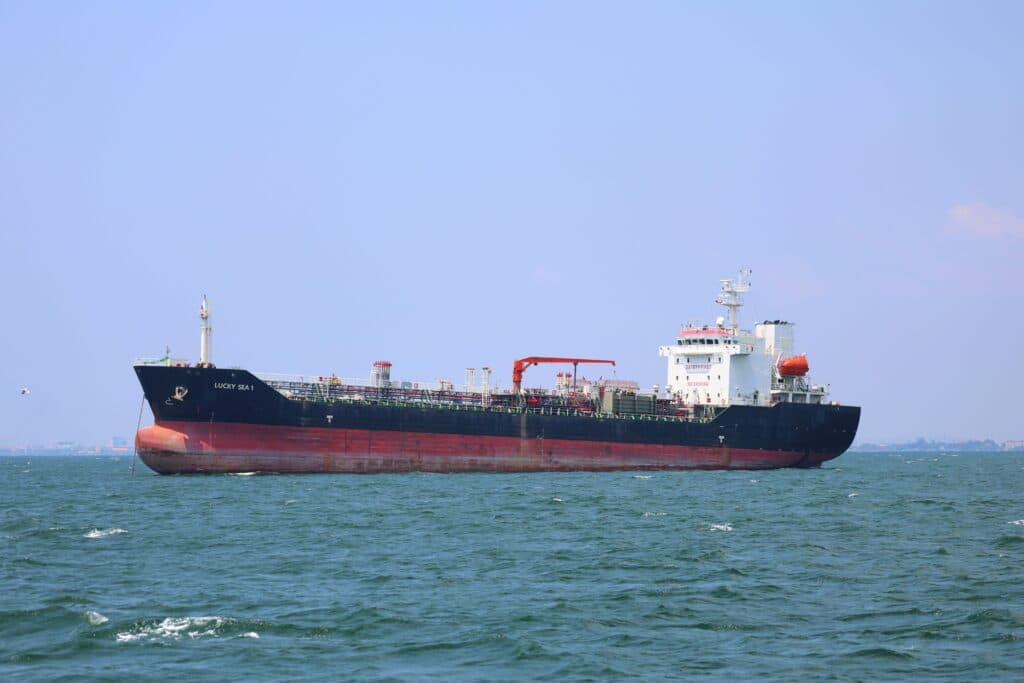
Paknejad became oil minister in 2024 under Pezeshkian. His resignation now comes as Iranian crude exports face restrictions unlike earlier sanctions campaigns. Reuters reported that the U.S. blockade sharply reduced Iranian loadings and cut access to China, Tehran’s largest remaining oil customer.
The resignation itself should not automatically be attributed to those pressures. Iranian authorities have not publicly explained why Paknejad left. Still, the timing places the change directly against a worsening economic backdrop.
Iran’s rial has also fallen to record lows. Reuters reported the currency near 2.688 million rials per dollar on Saturday after losing more than half its value over the past year. The central bank responded by offering up to $2 billion in foreign currency in an effort to stabilize the market.
The government is therefore dealing with two linked problems. Iran needs foreign currency from energy exports, while the falling rial makes imports and everyday goods increasingly expensive for Iranian households.
Neighbors Adapt While Iran Loses Revenue
The regional contrast is becoming harder to ignore. “Iraq Oil Exports Shift Beyond Hormuz” examined Baghdad’s decision to move 2 million barrels beyond the Strait of Hormuz using its own tanker arrangements. Iraq is also pursuing alternative routes that could reduce its exposure to future disruptions.
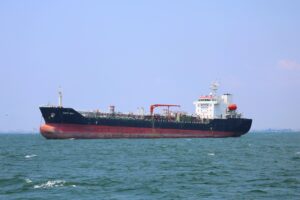
Other Gulf producers have also adapted through pipelines, alternate ports and new shipping arrangements. Meanwhile, Iran continues to insist that the Strait of Hormuz remains formally closed until its political and economic conditions are met.
That creates a significant strategic imbalance. Tehran has tried to use maritime disruption as leverage, but neighboring producers are increasingly finding ways to keep their oil moving. Iran’s own export sector has faced much greater restrictions.
Washington views those restrictions as part of its wider pressure campaign against Tehran. For Israel, the economic dimension matters because Iranian oil revenue has historically supported military programs and regional allies. Lower revenue does not automatically remove those threats, but it can constrain the resources available to sustain them.
Energy, Sovereignty and National Strength
The resignation of Iran’s oil minister therefore matters beyond a cabinet reshuffle. It comes during a period when energy exports, currency stability and control of maritime routes have become central parts of the regional confrontation.
Israel’s covenantal responsibility before God places protection of Jewish life and sovereignty at the center of national defense. That includes confronting threats financed and supported from abroad. Economic developments inside Iran can therefore carry direct security consequences for Israel.
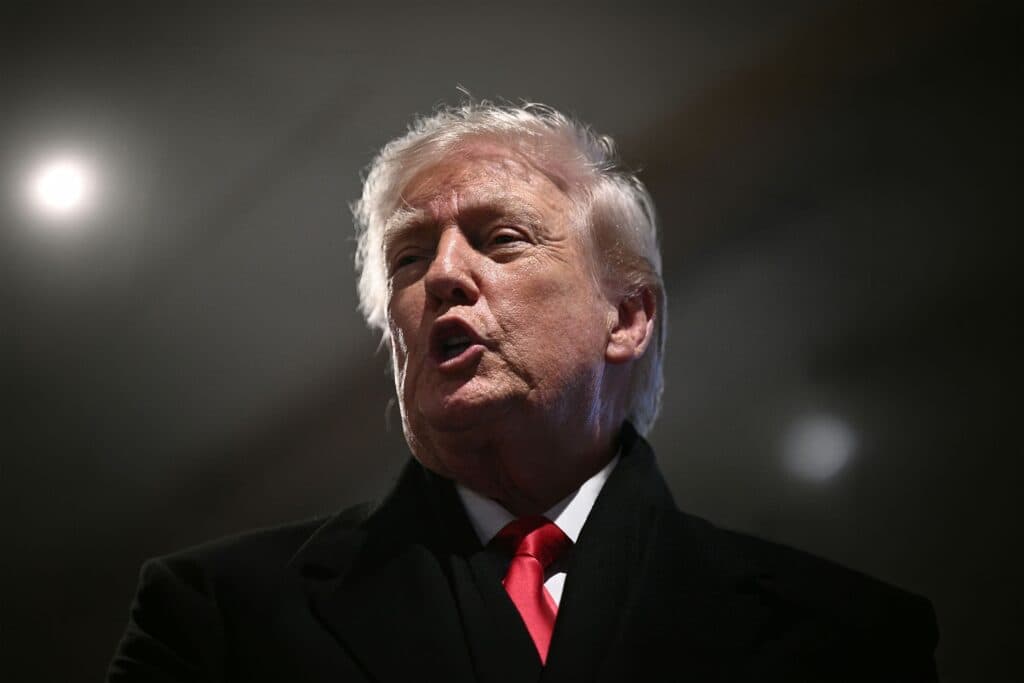
America’s covenantal tradition developed through a different history, but it also links national strength with economic independence and secure trade. U.S. policy toward Iran currently combines military pressure, sanctions and restrictions on oil revenue. The results are increasingly visible inside Iran’s economy.
Paknejad’s departure does not by itself reveal the direction Tehran will take next. However, it adds another sign of institutional strain as oil exports weaken, the rial falls and neighboring producers adjust to a region reshaped by war.
For more stories on Israel, faith, and the values behind the headlines, follow Sinai on Facebook and Instagram.
Discussion0
No comments yet — be the first to share your thoughts.