France Student Protests Draw 256,000 as Iran Summons Envoy
France saw 256,000 demonstrators take to the streets as Iran summoned the French ambassador and accused Paris of suppressing peaceful protest
Sinai Desk
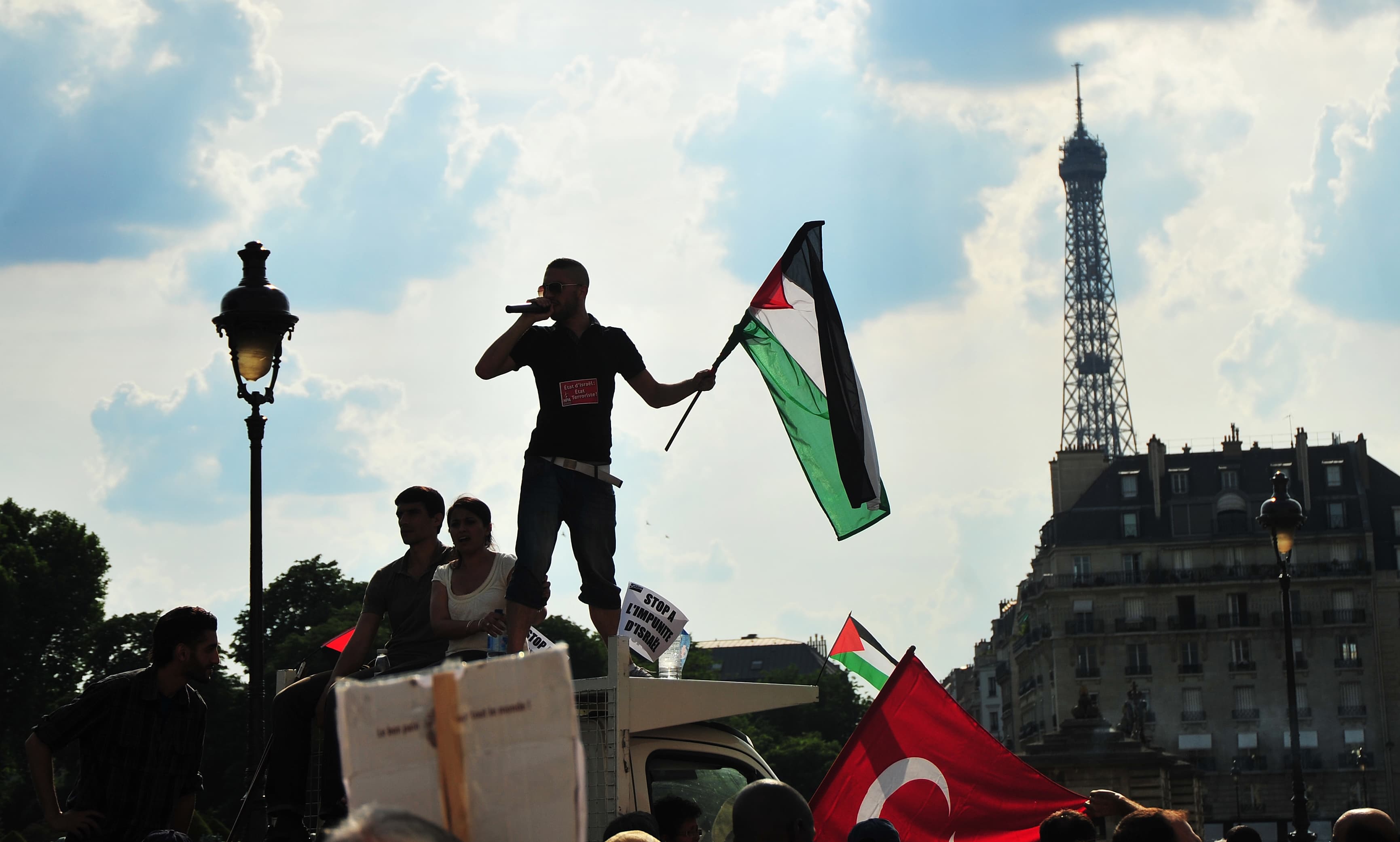
France student protests drew 256,000 demonstrators nationwide on Tuesday, according to the French Interior Ministry. Officials counted 56,000 people in Paris alone. Organizers gave a much higher estimate of 450,000 nationwide and 100,000 in the capital.
The demonstrations began over conditions in French schools and have grown into a major national protest movement. Students are demanding more teachers, improved facilities and changes to the education system. Clashes have also intensified, with police using tear gas and other crowd-control measures as some demonstrations turned violent.
Deuteronomy 16:20 commands, “Justice, justice shalt thou follow.” The repetition has long carried a powerful implication: justice must apply consistently. That principle now sits at the center of an unusual diplomatic exchange between France and Iran.
France Student Protests Trigger Iranian Rebuke
Iran summoned French Ambassador Pierre Cochard in Tehran following what the Iranian Foreign Ministry described as violent repression and widespread human-rights violations. Iranian officials urged France to respect fundamental freedoms, including peaceful assembly.
Foreign Ministry spokesman Esmaeil Baghaei also accused Paris of applying different standards to protests in France and Iran. He noted that French officials had previously urged Tehran to show restraint toward Iranian demonstrators. Baghaei acknowledged that attacks on police and destruction of property cannot be justified, but argued that protest rights should not depend on geography.
France does face serious questions about its response. Rights groups have criticized police tactics, particularly against minors, while authorities have opened investigations into alleged misconduct. At the same time, French officials point to arson, attacks on public employees and other violence during the unrest.
The scale of Tuesday’s demonstrations reinforces the political pressure. France’s Interior Ministry reported 488 arrests that day, while 43 members of the security forces were injured. The protests have already disrupted hundreds of schools and universities across the country.
Iran’s Human Rights Message Faces Its Own Record
Tehran’s intervention also invites comparison with Iran’s treatment of domestic dissent. A United Nations fact-finding mission reported in September that Iranian authorities committed serious violations during protests that began in December 2025. The mission said some abuses amounted to crimes against humanity, including murder, imprisonment and torture.
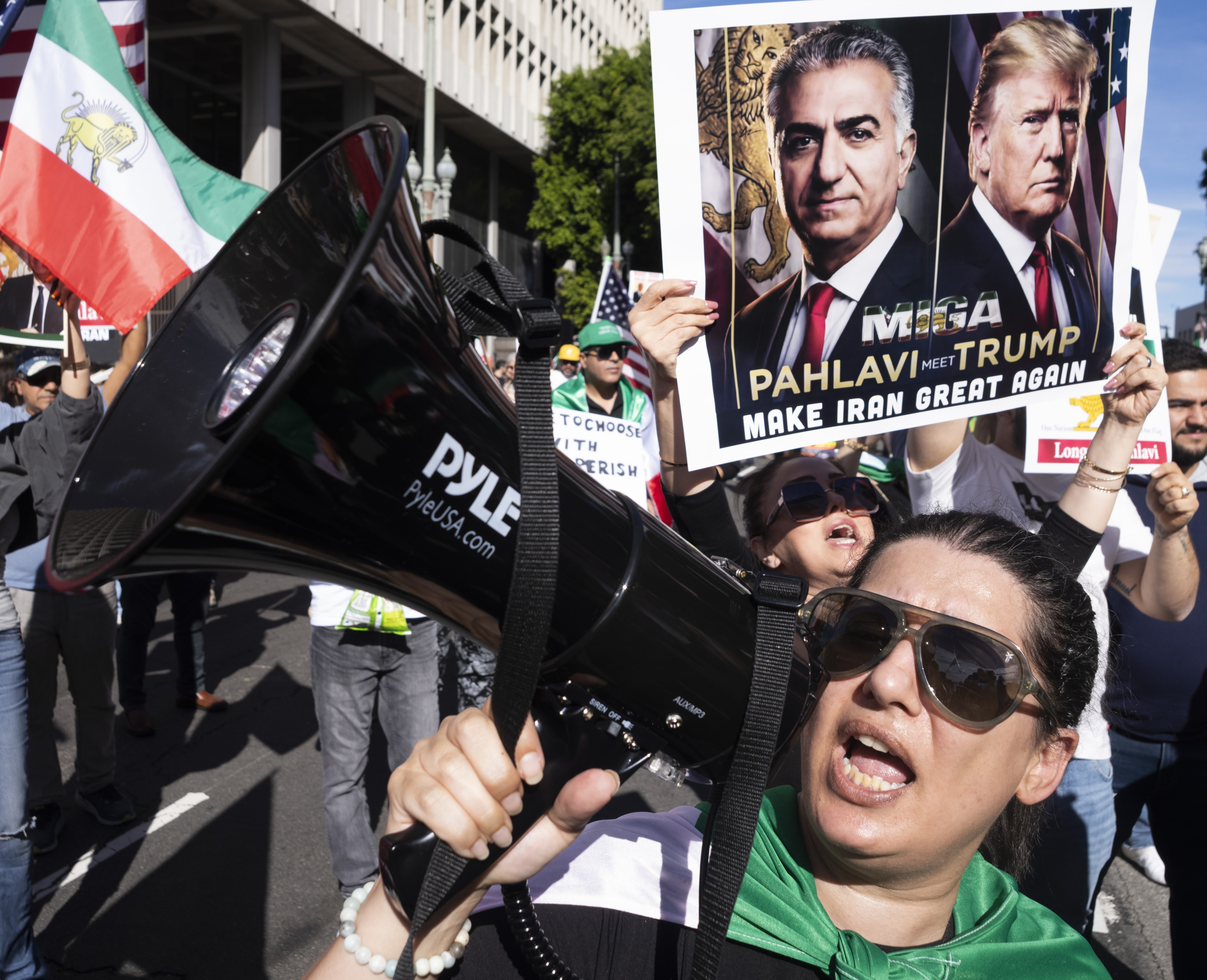
That does not erase legitimate questions about French policing. Instead, it illustrates how human-rights language has become part of the diplomatic contest between governments that also face scrutiny over their own actions.
Iran’s criticism of France is especially notable because Paris and Tehran are already deeply divided over Israel, regional security and Middle East diplomacy. France has criticized Israeli military actions and repeatedly pushed diplomatic initiatives concerning the Palestinians. Tehran, meanwhile, has used those disputes to challenge Western governments over what it portrays as selective standards.
That broader tension also connects naturally to “Pompeo Challenges Macron Over Hamas in West Bank.” In that dispute, former U.S. Secretary of State Mike Pompeo challenged President Emmanuel Macron over remarks concerning Hamas in the West Bank. France later clarified that Macron meant Hamas does not govern the territory.
The two episodes are different, but both show how France has become an important arena for competing narratives about Israel, Hamas, Iran and Western policy.
Rights, Order and Consistent Standards
The issue matters to Israel because Iran regularly uses Western political disputes to strengthen its diplomatic case against Jerusalem. French criticism of Israeli policy can therefore become part of a wider information battle in which Tehran presents itself as a defender of international law and human rights.
Washington faces a similar problem. The United States maintains alliances with European democracies while confronting Iran over regional security, terrorism and nuclear concerns. Credibility becomes harder to maintain when different governments appear to apply principles selectively.
Israel’s covenantal mission before God places justice beside the obligation to defend Jewish life and sovereignty. Those responsibilities require both strength and moral clarity. Security cannot mean abandoning standards, but standards also cannot require a state to ignore violence against its citizens.
America’s covenantal tradition developed differently, yet it likewise connects liberty with the rule of law and equal protection. France’s current unrest shows why those principles are difficult to balance during disorder. Iran’s criticism shows how quickly any inconsistency can become an international political weapon.
The French protests therefore matter beyond France. They have become another example of how domestic unrest, human-rights language and Middle Eastern geopolitics increasingly overlap.
For more stories on Israel, faith, and the values behind the headlines, follow Sinai on Facebook and Instagram.
Discussion0
No comments yet — be the first to share your thoughts.