Scott Bessent: Iran Has 30 Million Barrels Left for China
Scott Bessent says only about 30 million barrels of Iranian crude remain available to China as the U.S. blockade chokes off new exports

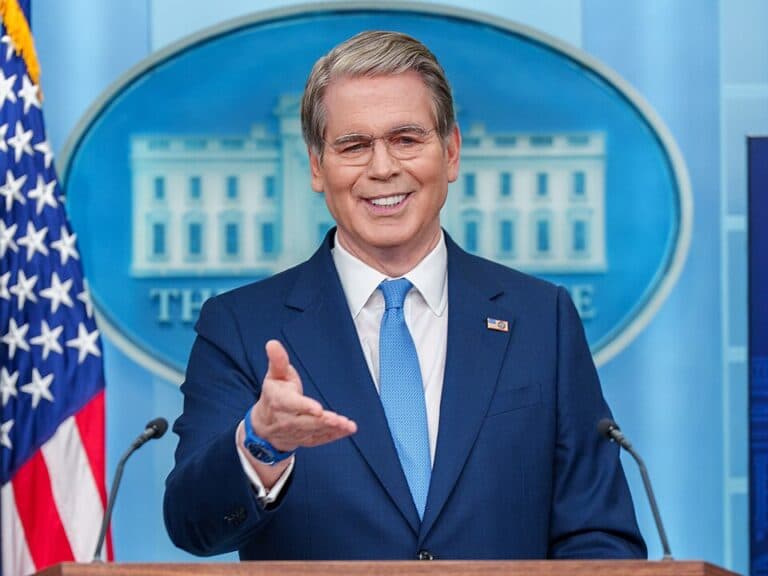
U.S. Treasury Secretary Scott Bessent says Iran has only about 30 million barrels of crude oil left that China has not already purchased. Once that stock disappears, Bessent argues, Beijing will have little Iranian oil left to buy because Washington has blocked Tehran from replenishing exports. His comments highlight the growing economic pressure surrounding the Trump administration’s campaign against the Iranian regime.
“There’s probably only about 30 million barrels of Iranian crude oil left that China hasn’t bought,” Bessent said in a Fox News interview. He added that the supply would soon run out, leaving China without additional Iranian product to purchase. Bessent described the combination of sanctions and the U.S. blockade as an unusually powerful campaign of economic isolation.
His wording does not mean Iran is literally exhausting its underground petroleum reserves. Iran remains one of the world’s major oil-producing states. Bessent was referring to crude already positioned where Chinese buyers can access it while the blockade prevents Iran from continuously replacing those barrels. Reuters has reported that Iranian loadings have collapsed since Washington tightened maritime restrictions.
Proverbs 10:15 says, “The rich man’s wealth is his strong city.” Oil has long served as one of the Iranian regime’s strongest economic defenses. Washington is now trying to breach that financial wall without relying on military strikes alone.
Scott Bessent Says Iran’s Oil Lifeline Is Running Out
China has been the dominant foreign buyer of Iranian crude for years. The U.S. Treasury said earlier this year that China purchased approximately 90% of Iran’s oil exports, much of it through independent “teapot” refineries. Washington has responded by targeting refineries, intermediaries, shipping networks, and financial institutions that facilitate the trade.
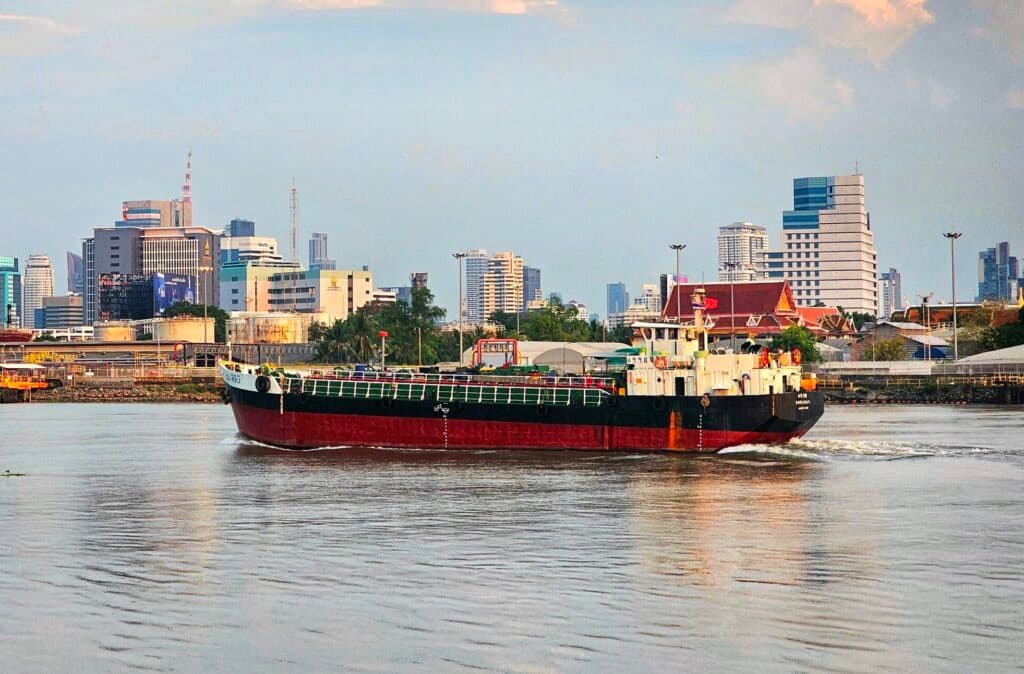
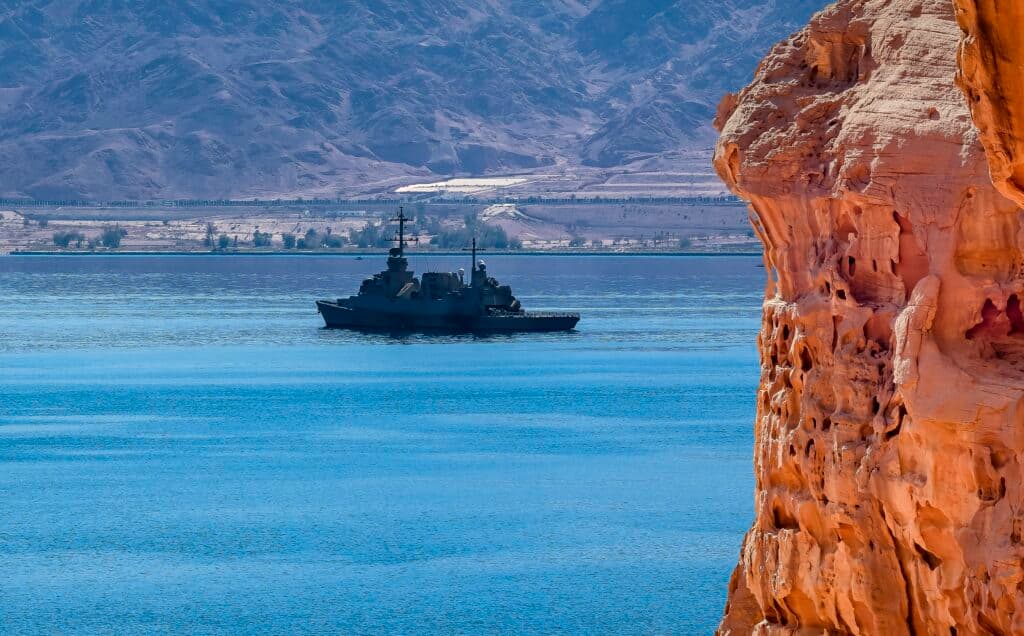
The naval blockade has added a physical constraint that sanctions alone struggled to create. Reuters reported that Iranian crude loadings fell from roughly 2 million barrels per day in March to about 220,000 to 255,000 barrels per day in August. Iran can still sell oil already stored outside the blockade zone, but those floating inventories shrink each time a buyer takes delivery.
Bessent has argued that this changes the calculation around China. Washington may not need to convince Beijing politically to stop buying Iranian crude if Iran simply cannot deliver enough new oil. The Treasury secretary has also signaled continued secondary sanctions against institutions that help Tehran evade American restrictions.
That approach strikes directly at the revenue Iran uses to sustain the state and rebuild military capabilities. Treasury has repeatedly said Iranian oil income supports weapons development, the IRGC, terrorist proxies, and military procurement. The department has therefore made energy revenue one of the central targets of its pressure campaign.
Tehran Threatens More War as Revenue Tightens
The economic squeeze comes as Iranian leaders promise more military escalation. In “Mohammad Bagher Ghalibaf Warns U.S. of Harsher Strikes,” Iran’s parliament speaker said Tehran had ended the era of “proportionate responses.” Ghalibaf threatened faster, heavier, and more painful retaliation against future American attacks.

The two developments reveal the increasingly difficult position facing Tehran. Iranian officials want to demonstrate military resolve abroad while acknowledging severe economic pressure at home. Reuters reported Sunday that Iran continues to struggle with restricted oil exports, foreign-currency pressure, and broader economic instability.
Economic weakness does not guarantee political moderation. A regime under pressure may instead become more aggressive if its leaders believe escalation can force Washington to loosen restrictions. That possibility makes Bessent’s strategy relevant to Israel as well as the United States.
Iran’s oil revenue is not separate from the security threat facing Israel. Treasury has explicitly tied Iranian energy income to military rebuilding and support for regional proxies. Reducing that revenue can therefore make it harder for Tehran to replace weapons, finance allied terror organizations, and reconstruct systems damaged during the conflict.
At the same time, Israel must remain prepared for the possibility that economic pressure produces desperation rather than immediate concessions. Jerusalem has already warned that another Iranian attack could trigger much broader Israeli strikes. Washington is therefore trying to weaken Tehran financially while American and Israeli military deterrence limits the regime’s ability to escape that pressure through violence.
Economic Strength as Strategic Defense
America and Israel share a covenantal understanding that national strength carries responsibility before God. Both traditions value the defense of life, free commerce, sovereignty, and the willingness to confront powers that use violence and economic coercion against others. In the Iranian confrontation, those principles increasingly connect military security with economic pressure.
American economic power gives Washington a weapon that Israel cannot replicate on the same scale. The dollar-based financial system, secondary sanctions, access to global markets, and U.S. naval strength allow America to target the revenue sustaining Iran’s military apparatus. Israel contributes its own intelligence, defensive systems, and military capabilities against the threats that survive those restrictions.
The strategy also protects a wider principle of freedom of navigation. Iran has repeatedly treated the Strait of Hormuz as leverage over its neighbors and the global economy. Bessent now argues that the United States has broken much of that leverage while simultaneously preventing Tehran from freely moving its own oil.
Thirty million barrels remains a significant amount of crude. Yet at Iran’s former export rate, it represents a finite bridge rather than a sustainable business model. If the blockade continues to prevent replenishment, each tanker sold to China removes another portion of the supply Tehran can readily monetize.
That is the pressure Bessent wants Iran’s leadership to feel. Tehran may promise that its next military response will be harder and more painful, but Washington is attacking the economic system that helps make those threats possible. The contest is now measured not only in missiles and warships, but in how many barrels Iran can still turn into money.
For more stories on Israel, faith, and the values behind the headlines, follow Sinai on Facebook and Instagram.
Discussion0
No comments yet — be the first to share your thoughts.