Mecca Defense Pact: Fidan Rules Out Offensive Deployment
Hakan Fidan says Turkey’s defense pact with Saudi Arabia and Pakistan does not authorize offensive deployments as the alliance moves toward implementation
Sinai Desk
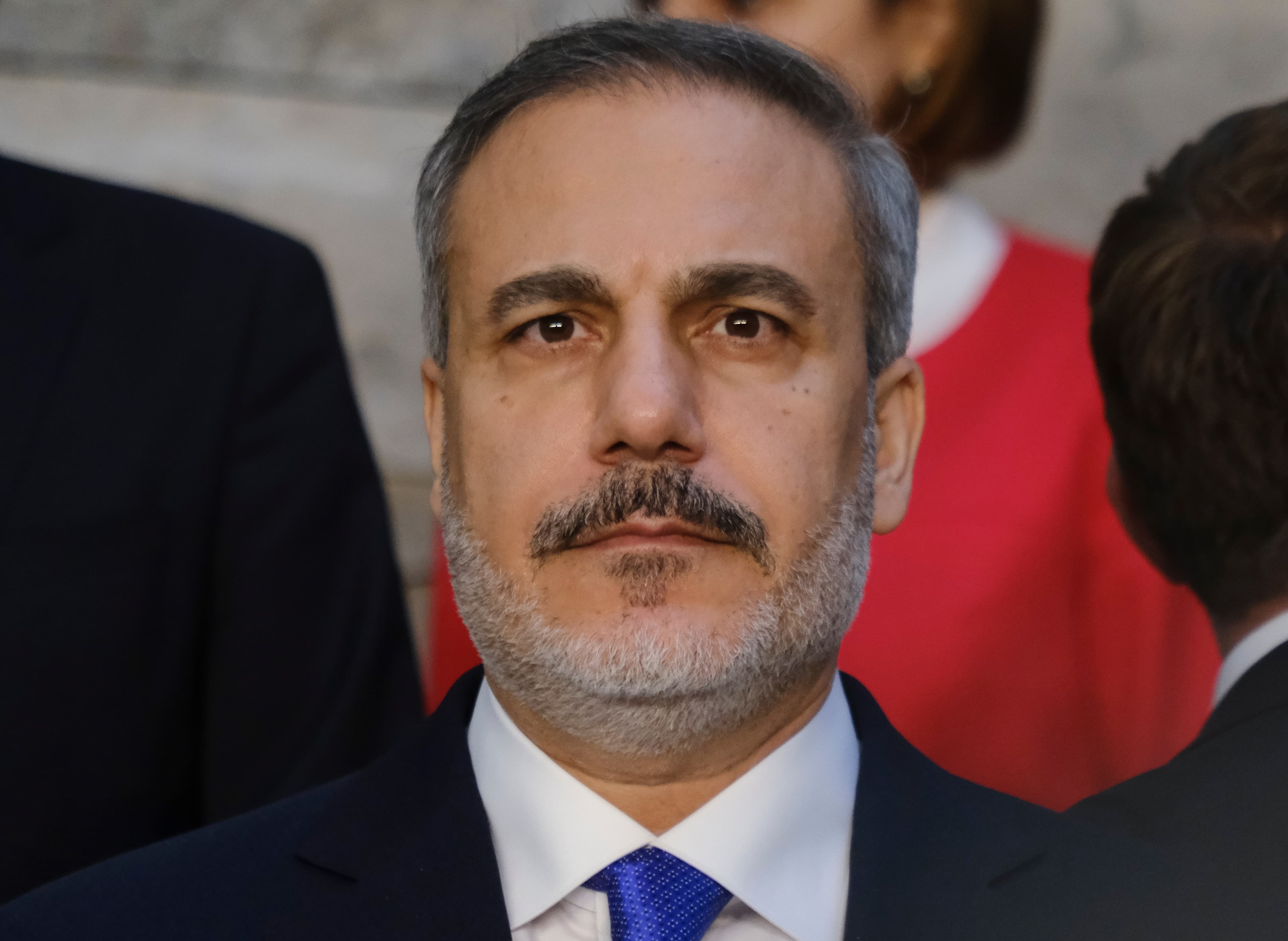
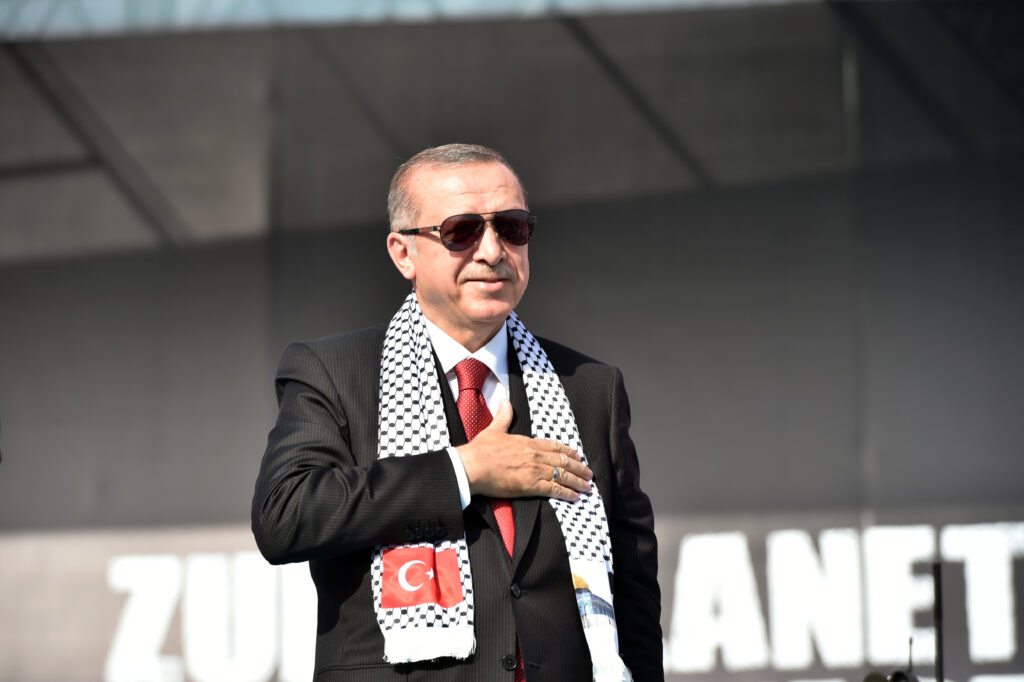
Turkish Foreign Minister Hakan Fidan said Thursday that the Mecca defense pact with Saudi Arabia and Pakistan remains strictly defensive. He rejected the idea that Turkey would use the agreement to launch offensive operations from another country’s territory.
“A defense agreement means that when a country that is a signatory to the agreement is attacked, you stand by its side to defend it,” Fidan said. “This is not an agreement intended for attack.” He added that Turkey would not send troops into another country “to launch an offensive from there.”
The clarification comes as the three countries move from signing the pact toward implementing it. Turkey, Saudi Arabia and Pakistan signed the Mecca Joint Defense Agreement in August. Under its collective-defense principle, an armed attack on one member is treated as an attack on all.
Psalm 127:1 says, “Unless the Lord guards the city, the watchman stays awake in vain.” The verse speaks directly to the distinction Fidan is trying to draw. Defense agreements can strengthen deterrence and protect civilian populations, but their legitimacy depends on whether they remain instruments of protection rather than expansion.
Mecca Defense Pact Moves Toward Implementation
The alliance took a major step this week after officials from all three countries met in Riyadh. The strategic committee agreed to begin implementing its collective-defense commitments and prepare for the rapid deployment of agreed military forces and capabilities inside Saudi Arabia.
The immediate concern is the renewed threat from Yemen’s Iran-backed Houthis. Recent attacks have targeted Saudi cities and infrastructure as fighting in Yemen intensifies again. Turkey and Pakistan have discussed how they could strengthen Saudi defenses while also supporting diplomatic efforts to contain the conflict.
Turkey has already begun providing defensive and technical support. Reuters reported that Ankara’s assistance includes military equipment, intelligence sharing and weapons systems. U.S. officials also described support involving drone operators, logistics and improvements to Saudi defensive measures. No Turkish troop deployment has taken place under the pact so far.
Fidan said preparations to submit the agreement to Turkey’s parliament are complete. Full Turkish participation could expand after ratification, although Ankara continues to describe its role as defensive.
Turkey’s New Alliance Changes the Regional Map
The pact adds another layer to a Middle East already undergoing rapid strategic realignment. Turkey brings NATO’s second-largest military and a major defense industry. Pakistan contributes extensive military capabilities, while Saudi Arabia provides economic weight and a central position in Gulf security.
For Israel, the immediate distinction matters. Fidan is explicitly saying the pact does not authorize Turkey to use Saudi territory for offensive operations. Current implementation centers on protecting Saudi Arabia from Houthi attacks rather than preparing action against Israel.
Still, the alliance deserves close attention in Jerusalem because Turkish-Israeli tensions remain high. In “Erdogan Warns Against ‘Encircling’ Turkey as Israel Tensions Rise,” President Recep Tayyip Erdogan warned against attempts to “encircle” Turkey as Israel deepens defense cooperation with Greece and Cyprus. The Mecca pact now gives Ankara another formal security framework beyond NATO at the same moment those eastern Mediterranean rivalries are sharpening.
That does not make the Saudi-Pakistani-Turkish pact an anti-Israel alliance. However, it broadens Ankara’s military relationships and gives Turkey another mechanism for projecting influence across the Middle East.
The United States has reason to watch the development just as closely. Turkey remains a NATO member, while Saudi Arabia is a central American security partner. Washington also shares Riyadh’s concern over Houthi missile and drone attacks, particularly because those attacks threaten energy infrastructure and Red Sea shipping.
The arrangement therefore creates both opportunity and complexity for U.S. policy. A stronger Saudi defensive network could reduce vulnerability to Iran-backed attacks. At the same time, Washington will have to assess how this new trilateral bloc interacts with NATO commitments, U.S.-Saudi security ties and Israel’s defense interests.
Defense, Deterrence and Regional Responsibility
Fidan’s emphasis on defense is significant because the Middle East has repeatedly shown how quickly defensive commitments can draw states deeper into regional wars. The Mecca pact’s durability will depend in part on whether its members can maintain the line between deterrence and escalation.
Israel’s covenantal mission before God places defense of the Jewish people and protection of sovereign territory at the heart of national responsibility. That requires vigilance toward emerging military alliances, but also precision. Not every regional defense arrangement should automatically be treated as hostile to Israel.
America’s covenantal mission operates through a different history. Its role has long included maintaining alliances, securing trade routes and preventing hostile powers from dominating strategic regions. A Turkish-Saudi-Pakistani defense structure could support those objectives when it counters Iranian-backed attacks, but it could also complicate them if regional rivalries deepen.
The question is therefore not simply whether Turkey will deploy forces. It is how those forces would be used, under what legal authority and against which threats.
For now, Fidan’s message is clear: Turkey describes the Mecca pact as a shield, not a sword. Whether the alliance remains within those limits will matter to Saudi Arabia, Israel, the United States and the wider region.
For more stories on Israel, faith, and the values behind the headlines, follow Sinai on Facebook and Instagram.
Discussion0
No comments yet — be the first to share your thoughts.