Mike Waltz: October 7 Can Never Happen Again
Mike Waltz honored October 7 victims and former hostages while arguing that Hamas and Iran’s regional strategy has backfired three years after the massacre
Sinai Desk
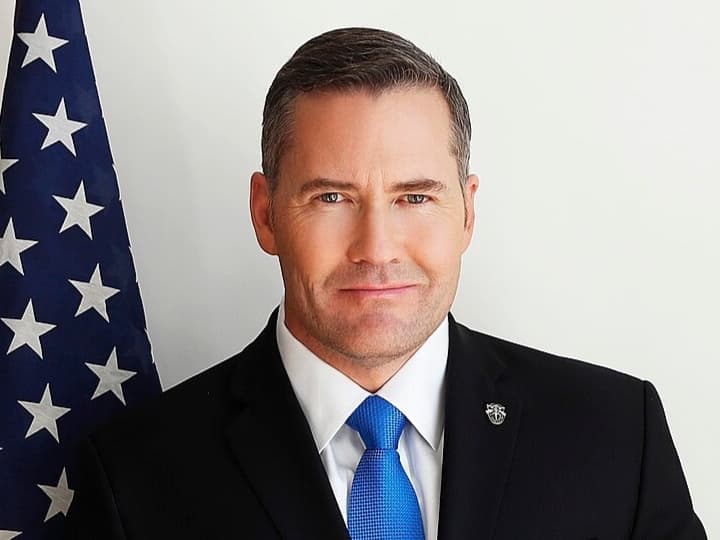
U.S. Ambassador to the United Nations Mike Waltz marked the October 7 anniversary with a message of remembrance, resilience and continued American support for Israel. Speaking in New York on Monday, Waltz honored former hostages, massacre survivors and Israelis who fought back during the Hamas assault.
He also pointed to what he described as a transformed regional picture three years later. Waltz said all hostages had returned from Gaza, Iran’s proxy network had weakened and the Abraham Accords continued to expand.
Psalm 27:14 declares, “Hope in the Lord; be strong, and let your heart take courage.” Waltz built much of his address around that combination of strength and hope. He remembered those who endured Hamas captivity while arguing that Israel’s enemies had failed to destroy its future.
Mike Waltz Honors Hostages and Survivors
Waltz began by addressing Eliya Cohen and Ziv Abud directly. Cohen endured 505 days in Hamas captivity after terrorists abducted him from the Nova massacre. Waltz recalled that Hamas tried to force Cohen into propaganda shortly before his release.
According to Waltz, Cohen refused to record a video claiming that Hamas had treated him well. He also refused to cooperate with a staged spectacle during his eventual release.
“Eliya, we salute you,” Waltz said. “You are a proud, strong Jew. You’re undefeated.”
Waltz then turned to Ziv, who survived the Nova festival massacre. He said she hid beneath the bodies of murdered victims and watched terrorists take Eliya away. Neither knew whether the other had survived during his 505 days in captivity.
The ambassador noted that the couple later married. Their wedding, he said, celebrated new life while also honoring those who could no longer celebrate with them.
Waltz also remembered Amit, Ziv’s nephew, who was murdered at Nova. He praised Aner Shapira, who repeatedly threw Hamas grenades out of a crowded shelter during the massacre. Waltz said Shapira threw seven grenades back before an eighth killed him.
He also honored Oriya Berlin, who had completed IDF training only two days before October 7. Hamas attacked her base and wounded her in combat. Waltz praised her decision to return to duty after surviving the attack.
From Hamas Captivity to Freedom
Another story carried a particularly American-Israeli symbolism. Waltz highlighted former hostage Alon Ohel, who spent 738 days in Hamas captivity. Ohel had been held underground with Eliya Cohen for part of that period.
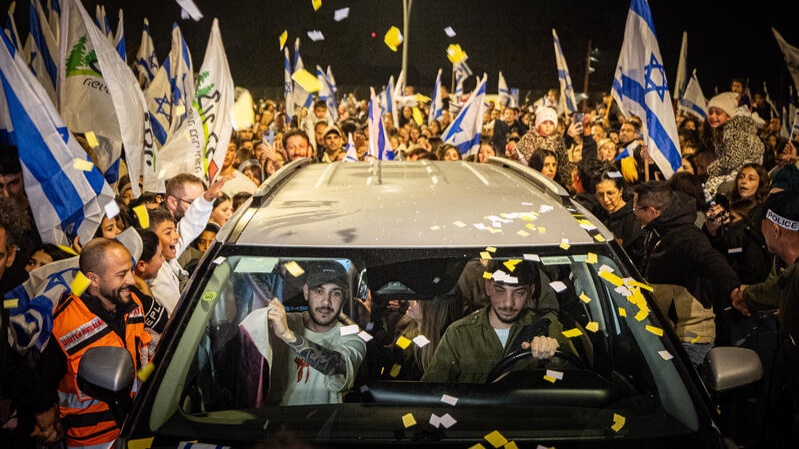
After his release, Ohel later played piano aboard the USS Nimitz in New York Harbor. The aircraft carrier had returned from Middle East combat operations, and Waltz connected the moment to America’s 250th anniversary.
For Waltz, the scene represented how dramatically circumstances had changed. A man who had spent years underground, separated from daylight, family and his piano, now played aboard an American warship beside the Statue of Liberty.
Waltz also emphasized President Donald Trump’s role in securing the hostages’ return. He said Trump repeatedly directed his team to keep pushing until every hostage came home.
According to Waltz, that effort included Secretary of State Marco Rubio, Steve Witkoff, Jared Kushner and other administration officials. He said the President treated the hostage issue as a priority from the transition period onward.
This anniversary comes amid continued Israeli vigilance. In “Hamas Attack Warning: IDF on Alert for October 7,” we reported that Israel raised military readiness in Gaza after intelligence indicated Hamas could attempt anniversary attacks. Waltz’s declaration that October 7 must never happen again therefore comes as Israel continues guarding against renewed threats.
Waltz Says Iran’s Strategy Backfired
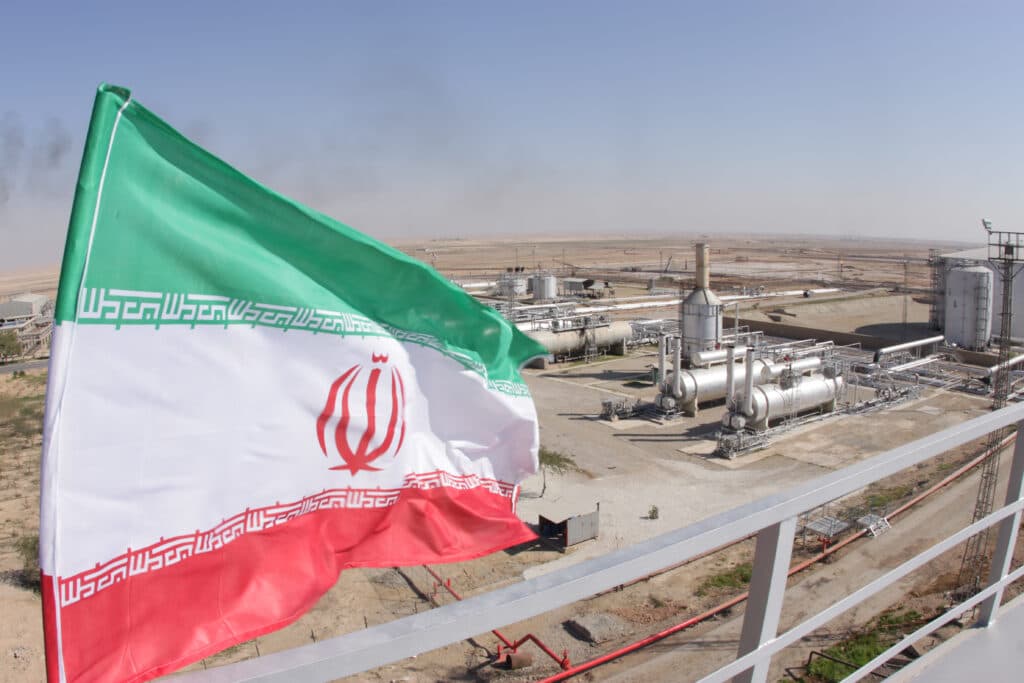
Mike Waltz moved from remembrance to a broader assessment of the Middle East. He argued that October 7 had “irreversibly” backfired on Iran and the terrorist organizations it supported.
“The Shia Crescent that Iran spent decades and billions building has shattered,” Waltz said. He pointed to the fall of Bashar al-Assad, changing politics in Syria and Iraq, and Lebanon’s efforts to move beyond Hezbollah’s grip.
He described Hamas and its supporters as being “in shambles.” At the same time, Waltz argued that the Abraham Accords had survived the regional war despite predictions that normalization would collapse.
He said Israeli missile-defense technology was now helping protect Abu Dhabi and Dubai from Iranian attacks. “Israelis and Arabs are standing shoulder to shoulder to defend the region from Iranian attacks,” Waltz said.
The ambassador also cited growing Israel-Morocco cooperation. He said the two countries had upgraded diplomatic relations while expanding flights, trade, tourism and investment.
Waltz connected those developments to President Trump’s 20-Point Peace Plan for Gaza. He said UN Security Council Resolution 2803 endorsed a framework that seeks a Gaza without Hamas rule. The plan also calls for demilitarization, an international stabilization force and reconstruction.
Waltz acknowledged that success was not guaranteed. However, he argued that returning to the previous cycle of Hamas rearmament and Iranian support would guarantee further conflict.
A Covenant of Memory and Strength
Israel’s covenantal mission before God demands more than survival after massacre. Jewish sovereignty carries a responsibility to protect life, bring captives home, confront those who seek Israel’s destruction and rebuild after tragedy. The stories Waltz highlighted show that responsibility through individual lives rather than military abstractions.
America carries a different covenantal calling. Its national tradition ties freedom to the defense of human dignity and resistance to tyranny. Waltz’s address framed the U.S.-Israel alliance within that tradition, from the effort to free hostages to the regional fight against Iran-backed terrorism.
The USS Nimitz image captured that relationship in unusually concrete form. A former Hamas hostage played music on an American aircraft carrier after years underground. Behind that moment stood two nations whose alliance had moved through war, hostage negotiations and direct confrontation with Iran.
Waltz ended with a message aimed at Israelis and Jews three years after the massacre.
“Have hope,” he said. “Peace is possible. America will stand with the Jewish people.”
He added that terrorists were “on their back foot” and urged Israelis to remain strong, resilient and guided by their moral compass.
Three years after October 7, the commemoration reflected both grief and change. The murdered remain absent, survivors continue carrying what happened and Israel still faces active threats. Yet Mike Waltz’s central argument was that Hamas failed to achieve the future it sought.
For more stories on Israel, faith, and the values behind the headlines, follow Sinai on Facebook and Instagram.
Discussion0
No comments yet — be the first to share your thoughts.