Trump Venezuela Oil Deal Secures 65 Billion Barrels
Trump announced a sweeping Venezuela oil agreement giving the U.S. majority control over production tied to 65 billion barrels of proven reserves

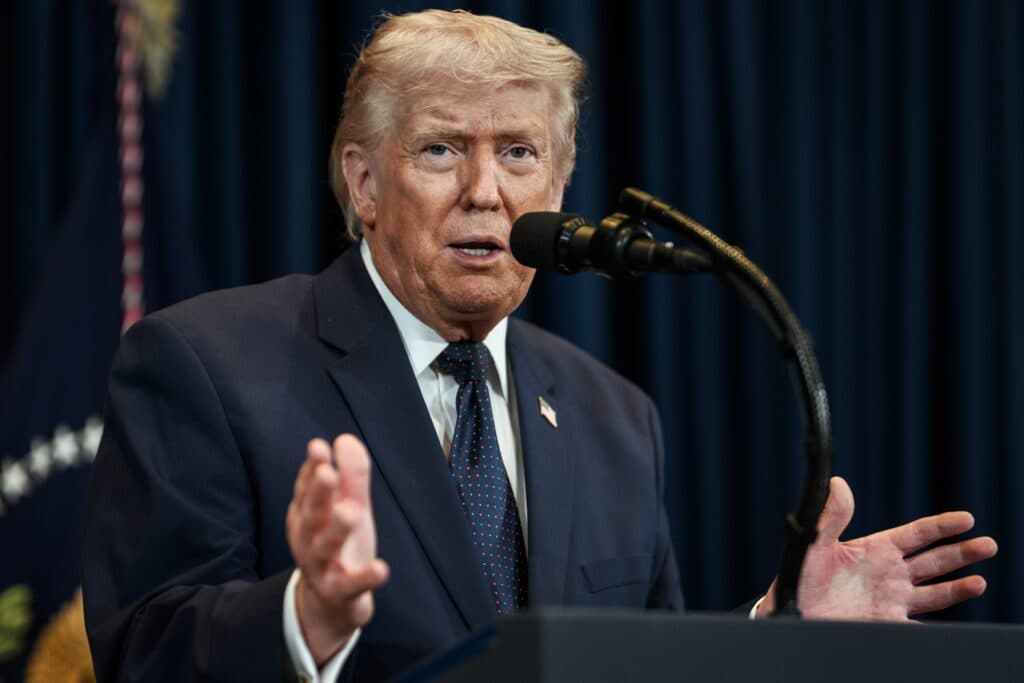
The Trump Venezuela oil deal will give the United States majority control over production tied to more than 65 billion barrels of proven reserves. President Donald Trump announced the agreement Friday night, calling it “the biggest oil deal in world history.” He said the arrangement would more than double American oil reserves and eventually drive down fuel prices.
The deal also places renewed attention on an ancient principle of preparedness. In Genesis 41, Joseph responds to approaching scarcity by storing resources during years of abundance. “Let them gather all the food of these good years,” he advises in Genesis 41:35. Trump is now presenting Venezuelan oil in similar strategic terms: a resource that can strengthen America before the next crisis arrives.
Trump Venezuela Oil Deal Gives U.S. Majority Control
The agreement creates a new company involving the U.S. government and an unnamed private operator in Venezuela. It holds 100-year development rights covering 17 untapped oil fields. Venezuela says those fields contain proven potential of about 65 billion barrels.
According to a U.S. official cited by AP, the United States will receive 55% effective output from the company. That includes an ownership interest and rights to purchase oil at cost. The project could also attract roughly $100 billion in investment into Venezuela’s battered petroleum industry.
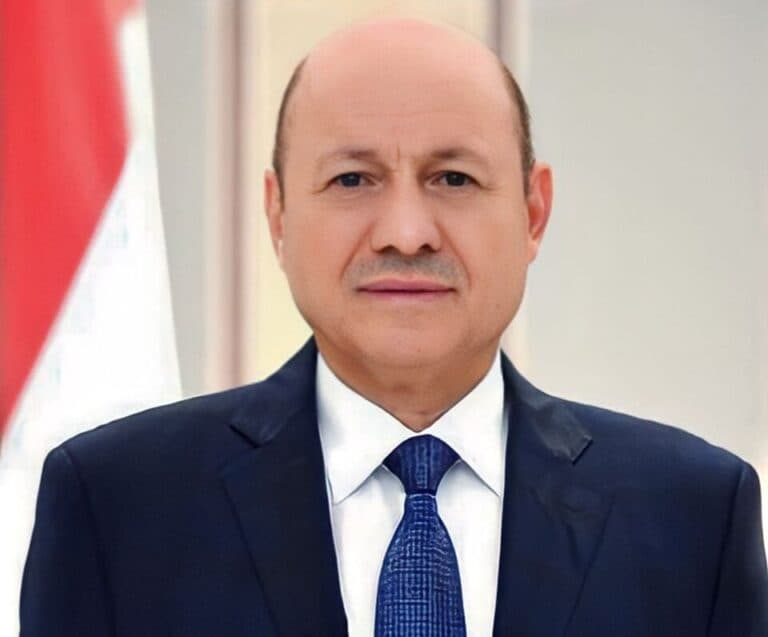
Trump credited Secretary of State Marco Rubio and Secretary of War Pete Hegseth with helping secure the agreement. He also praised Venezuelan interim President Delcy Rodríguez for her role.
“This historic transaction more than doubles American oil reserves,” Trump wrote. He said it would increase supply and produce lower gasoline prices “long into the future.”
Rodríguez has also promoted the agreement as a major opportunity for Venezuela. Her government says it could generate more than $200 billion in tax revenue while rebuilding an industry damaged by years of underinvestment. However, experts warn that substantial increases in production will require years of investment and infrastructure work.
A Challenge to OPEC and Middle East Dependence
Trump later shared an article arguing that the agreement could reshape the global energy market and put both OPEC and Canada “on notice.” Energy industry figure Sam Romain said the long-term significance lies in reducing dependence on OPEC and insulating America from instability in the Middle East.
The deal also arrives during renewed U.S.-Canada trade tensions. Canada currently sends roughly four million barrels of crude into the United States each day. Some Canadian political figures have discussed energy exports as possible leverage during the dispute. A larger Venezuelan supply could give Washington another long-term source of heavy crude, although Canada remains deeply integrated into the American energy market today.
More immediately, Venezuela offers Trump another tool as the Iran war continues to pressure global energy supplies. The conflict has disrupted oil movement through the Strait of Hormuz and pushed American gasoline prices higher. That economic pressure comes only months before the midterm elections.
The energy strategy also intersects with Washington’s diplomatic pressure on Tehran. In “Trump Iran Talks Stall Over June Deal,” Trump rejected returning to the earlier U.S.-Iran memorandum and chose stronger economic pressure instead. Expanding Western Hemisphere energy supplies could give Washington greater freedom to confront Iran without remaining as exposed to Middle Eastern oil disruptions.
Trump acknowledged that strategic reserves are another major part of the plan. On Sunday, he said Venezuelan crude would begin replenishing the Strategic Petroleum Reserve “very soon.” He called the oil “a gift from Venezuela to the American people.”
Reuters reported that the reserve currently holds about 290 million barrels, its lowest level in roughly 44 years. Trump blamed former President Joe Biden for the depletion and said his administration intends to refill it.
Energy Security as National Stewardship
America and Israel share a covenantal understanding that national strength carries responsibilities before God. Both traditions prize freedom, sovereignty, preparedness, and the wise stewardship of resources entrusted to a nation. Security requires more than responding after danger arrives. It requires building resilience before the crisis begins.
That principle applies directly to energy. Israel has learned how quickly regional wars can threaten shipping routes, fuel markets, and critical infrastructure. America faces the same challenge on a much larger scale. Greater energy security gives Washington more room to defend its interests and allies without allowing hostile regimes to dictate the economic cost.
The Venezuela agreement therefore reaches beyond oil prices. If successful, it could strengthen American strategic reserves, reduce exposure to hostile energy suppliers, and expand Washington’s leverage during future crises. It could also help rebuild Venezuela through private investment rather than leaving one of the world’s richest energy reserves trapped beneath a failed industry.
Trump has presented the deal as both an economic victory and a long-term national security strategy. The difficult work of developing those reserves still lies ahead, but 65 billion barrels gives the United States an extraordinary new resource to work with.
For more stories on Israel, faith, and the values behind the headlines, follow Sinai on Facebook and Instagram.
Discussion0
No comments yet — be the first to share your thoughts.