Pakistani Jets Strike Houthis in Yemen
Pakistani fighter jets are reportedly striking Houthi targets in Yemen as Saudi Arabia responds to deadly attacks on airports in Riyadh and Abha
Sinai Desk
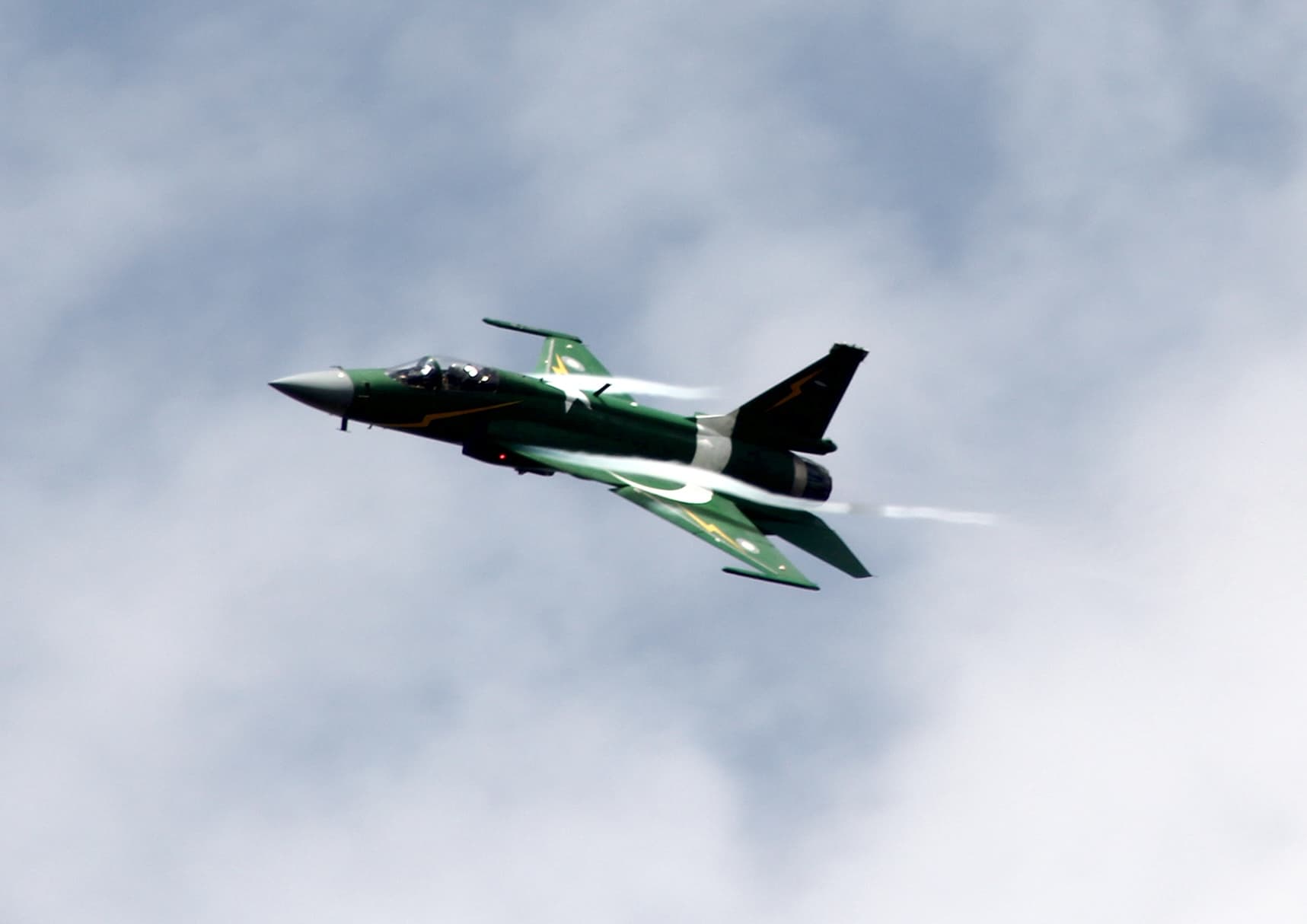
Pakistani jet strike Houthis in Yemen as part of the widening response to attacks on Saudi Arabia, according to a New York Times report citing a senior Pakistani military official. The official spoke anonymously, and Pakistan has not publicly confirmed that its aircraft are conducting strikes.
A second Pakistani official reportedly described the mission as air support focused on Houthi missiles and drones. That official said Islamabad was not preparing a ground offensive inside Yemen. Other reports citing the Times have also described Pakistani fighter aircraft as participating in Saudi-led operations against Houthi targets.
The report would mark a significant expansion of Pakistan’s military role in the conflict. Islamabad already maintains thousands of troops and air assets in Saudi Arabia. Reuters reported in May that Pakistan had deployed about 8,000 troops, a fighter squadron and an air-defense system to the kingdom.
Psalm 144:1 declares, “Blessed be the Lord, my rock, who trains my hands for war, and my fingers for battle.” The verse does not glorify war for its own sake. Rather, it recognizes the responsibility to possess the strength needed when defense becomes unavoidable.
Pakistani Jets Strike Houthis, Report Says
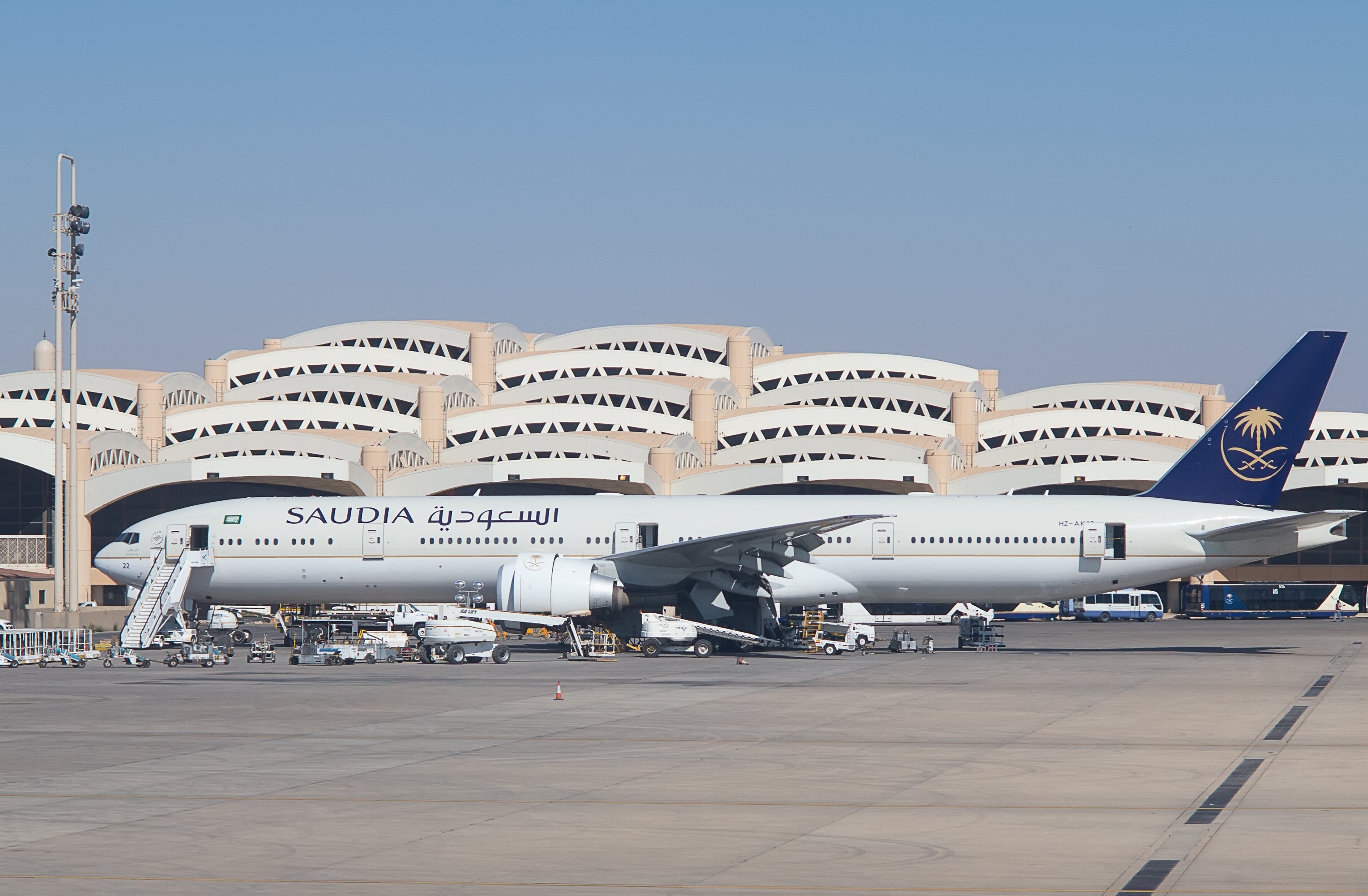
The reported Pakistani jet strikes come after a sharp escalation in Houthi attacks on Saudi territory. The Iran-aligned group targeted King Khalid International Airport in Riyadh and Abha International Airport in southern Saudi Arabia. Saudi authorities reported three deaths and dozens of injuries from the attacks.
Saudi Arabia responded with a broad air campaign against Houthi military infrastructure in Yemen. The Saudi-led coalition said it struck more than 80 targets, including missile facilities and other military positions. Fighting has also intensified around strategic areas near the Bab al-Mandeb Strait.
Until now, Pakistan had publicly emphasized defensive support for Saudi Arabia. Its military spokesman confirmed this week that Pakistani forces were already present in the kingdom across several military domains. Pakistan has maintained such deployments for decades.
If the New York Times report is accurate, Pakistani involvement has now crossed from deployment and support into direct air operations. However, the lack of official confirmation remains important. The precise missions, aircraft involved and targets have not been publicly disclosed.
Saudi Airports Bring the Pact Into Focus
The escalation is becoming an early test of the Mecca Joint Defense Agreement. Saudi Arabia, Pakistan and Turkey activated the pact after the latest Houthi attacks. The agreement treats an attack on one signatory as an attack on all three.
The danger is no longer limited to military installations. King Khalid International Airport serves the Saudi capital, while Abha International Airport serves southern Saudi Arabia. Houthi attacks on the two airports killed three people and wounded 36, according to Saudi aviation authorities.
Turkey, meanwhile, has taken a more cautious public position. Foreign Minister Hakan Fidan said Ankara views the Mecca pact as defensive. He ruled out using another country’s territory to launch an offensive and said Turkey’s support would focus on areas such as air defense and technical assistance.
Pakistan’s reported airstrikes therefore raise an important question about how the alliance defines collective defense. Striking missile and drone infrastructure after attacks on Saudi civilian airports can be framed as defensive retaliation. At the same time, direct combat inside Yemen represents a larger operational role than technical support alone.
The military picture also connects directly to “Yemen Counteroffensive Targets Houthi Control.” That offensive has focused on weakening Houthi control near Bab al-Mandeb, one of the world’s most important shipping routes. Saudi-backed Yemeni forces recently pushed into strategic coastal areas as Riyadh intensified air support.
Control of the strait has become even more important during the wider regional crisis. Iran’s pressure around the Strait of Hormuz has already disrupted global energy markets. Houthi power around Bab al-Mandeb creates a second maritime threat at the opposite end of the Arabian Peninsula.
That gives Washington a direct stake in the outcome. The United States depends on open shipping routes and has provided intelligence support for Saudi-backed operations in Yemen. A stronger regional coalition against Houthi missile and maritime threats could reduce the burden on American forces, although deeper allied involvement also raises the risk of escalation.
Israel is watching the same confrontation through the lens of Iran’s regional network. The Houthis have operated as an Iran-aligned armed movement and have helped extend Tehran’s pressure across the Red Sea and Arabian Peninsula. A weakening of their missile, drone and maritime capabilities would therefore reshape the wider balance confronting both Israel and U.S. partners.
A Defensive Covenant Under Fire
Israel’s covenantal mission before God requires the Jewish state to defend its people against enemies operating across multiple fronts. That security challenge extends beyond Israel’s immediate borders when Iran-backed forces can threaten shipping, allies and regional infrastructure.
America’s covenantal responsibility follows a different national path. It includes defending ordered liberty, supporting allies and keeping major international trade routes open. The widening coalition against the Houthis places those American interests alongside the security concerns of Israel and Gulf partners.
Pakistan’s reported entry into the air campaign also shows how quickly the regional map is changing. A pact presented as collective defense is now confronting a real attack on one of its members. The response may determine whether the Mecca alliance becomes a lasting security structure or remains an emergency arrangement shaped by the current war.
For now, the most significant development remains unconfirmed by Islamabad. A senior Pakistani military official reportedly says Pakistani jets are already striking Houthi targets. If officially acknowledged, that would mark a new phase in both the Yemen conflict and the Mecca defense pact.
For more stories on Israel, faith, and the values behind the headlines, follow Sinai on Facebook and Instagram.
Discussion0
No comments yet — be the first to share your thoughts.