Yemen Counteroffensive Targets Houthi Control
Yemen’s Saudi-backed government has launched a counteroffensive against the Houthis as control of Bab al-Mandeb grows more important amid the Hormuz crisis

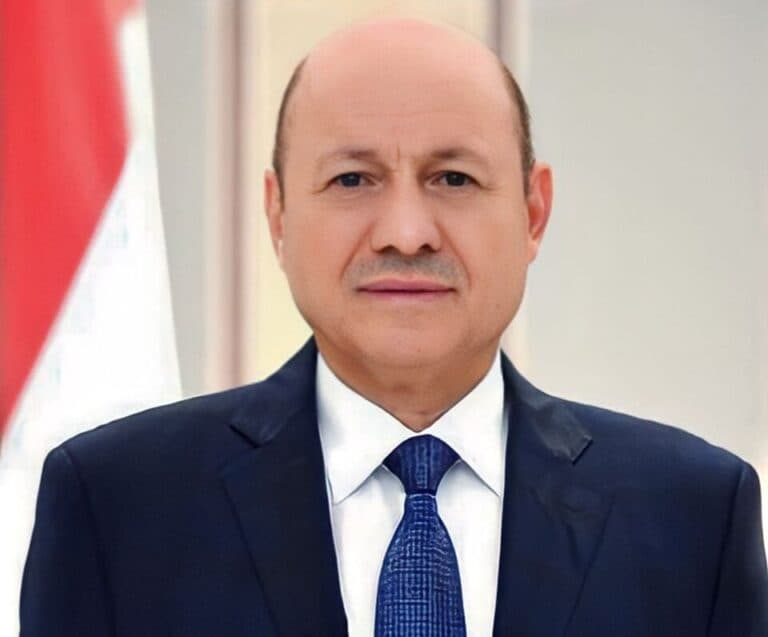
A new Yemen counteroffensive has begun against the Iran-backed Houthis, with Presidential Leadership Council chairman Rashad al-Alimi ordering government forces to retake lost territory. The campaign comes after major Houthi gains along Yemen’s Red Sea coast and near the strategic Bab al-Mandeb Strait.
“We have instructed the armed forces, security forces and all military formations to begin carrying out their assigned tasks,” al-Alimi said Sunday. He said the operations would continue until government authority extends across Yemen. Reuters reported that Saudi Arabia is providing air support, while the United States is contributing intelligence assistance.
Isaiah 33:21 describes a place where “the glorious Lord will be unto us a place of broad rivers and streams.” Maritime routes have always carried more than commerce. Control of waterways can shape security, national survival and the freedom of entire regions.
Yemen Counteroffensive Follows Houthi Gains
The Saudi-backed government enters the campaign from a difficult position. The Houthis seized major stretches of Yemen’s Red Sea coast in September and gained strategic positions around Bab al-Mandeb. Fighting has also intensified around Taiz, where government forces are defending routes linking the city with Aden.

The latest fighting marks the most serious escalation since Yemen’s fragile 2022 truce collapsed in July. Saudi Arabia originally entered the civil war in 2015 after the Houthis drove the internationally recognized government from Sanaa. The conflict has since become deeply intertwined with the wider struggle between Iran and its regional opponents.
That connection was already visible in “Houthis Claim Major Gains in Western Yemen.” The Houthi advance toward Bab al-Mandeb gave the Iran-backed movement greater leverage over Red Sea shipping. The new government offensive is now aimed at reversing those gains before they become permanent.
Saudi Arabia has reportedly prepared a much larger operation involving Yemeni ground forces and extensive air support. Reuters reported that more than 100,000 Yemeni troops could eventually take part. However, divisions among anti-Houthi factions remain a major challenge.
Hormuz Makes Bab al-Mandeb Even More Important
Bab al-Mandeb connects the Red Sea with the Gulf of Aden and the wider Indian Ocean. Roughly 7% of global oil production normally passes through the narrow waterway. Ships traveling between Asia and Europe also depend on it for access to the Suez Canal.
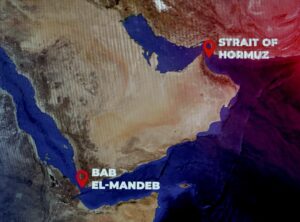
Its importance has grown further because of the confrontation around the Strait of Hormuz. Iran continues to describe Hormuz as closed while negotiations with Washington remain unresolved. Shipping through the strait has recovered only partially, forcing energy producers and traders to rely more heavily on alternate routes.
That creates a dangerous strategic overlap. Iran sits beside one of the world’s most important energy chokepoints, while an Iran-backed force has expanded its position near another. Control over both Hormuz and Bab al-Mandeb would give Tehran and its allies significant leverage over maritime trade.
For Israel, Bab al-Mandeb also matters directly. The strait controls southern access to the Red Sea and therefore affects shipping routes leading toward Eilat. Houthi missile and drone attacks have already made Yemen a direct part of Israel’s security environment.
The United States has its own interest in preventing either maritime route from becoming a permanent source of coercion. American forces have spent years defending commercial shipping in the Red Sea. Washington also relies on open sea lanes to support regional allies and maintain energy-market stability.
Two Chokepoints, One Regional Contest
The Yemen campaign therefore extends beyond the country’s civil war. The Saudi-backed government is trying to restore state authority, but the outcome could also reshape the balance of power around one of the world’s most important shipping corridors.
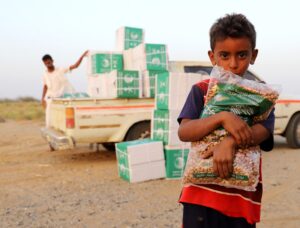
The humanitarian risks remain severe. The World Food Programme says three out of four families in parts of government-controlled Yemen now face food insecurity. Renewed fighting has displaced tens of thousands, while Yemen still imports most of its food.
Israel’s covenantal responsibility before God centers on preserving Jewish life and sovereignty. Secure maritime access forms part of that responsibility when hostile forces threaten trade routes and civilian infrastructure. America’s covenantal tradition developed differently, but it also places weight on freedom of navigation and the defense of allies.
The Yemen counteroffensive will therefore be watched far beyond Sanaa and Aden. If government forces can reverse Houthi gains near Bab al-Mandeb, Saudi Arabia and its partners would regain strategic space along the Red Sea. If the Houthis hold their positions, the Iran-aligned movement will retain powerful leverage at a moment when Hormuz remains under pressure.
For more stories on Israel, faith, and the values behind the headlines, follow Sinai on Facebook and Instagram.
Discussion0
No comments yet — be the first to share your thoughts.