Mediterranean Dockworkers Target Israel in October 30 Port Action
Dockworker unions across more than 40 ports plan action against military shipments, with Israel and the Gaza war central to the campaign
Sinai Desk
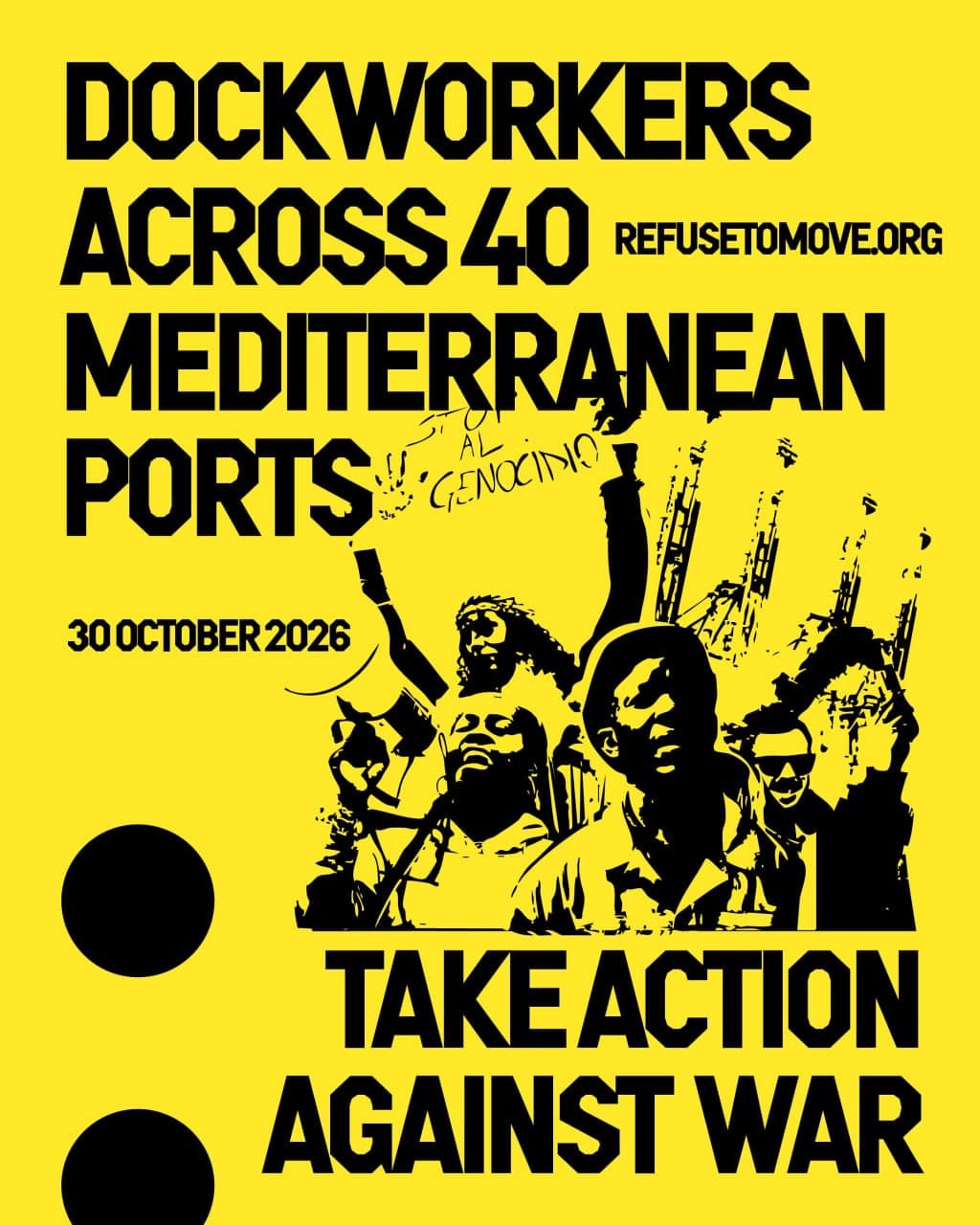
Mediterranean dockworkers across more than 40 European and regional ports plan coordinated action on October 30 against military shipments and port militarization. Organizers have placed Israel and the Gaza war at the center of the mobilization, while also opposing U.S., NATO and European military activity.
The action follows a meeting of port-worker unions in Istanbul earlier this year. Participating organizations include unions from France, Greece, Spain’s Basque Country, Turkey, Morocco and Italy. Their declaration calls for strikes and other actions against the movement of weapons, ammunition, military equipment and troops through civilian ports.
Yet the framing raises an unavoidable question three years after October 7. The current Gaza war did not begin with an Israeli invasion of Gaza. Hamas-led terrorists entered southern Israel on October 7, 2023, killed about 1,200 people and abducted 251 hostages. Israel then launched the military campaign that followed.
Ecclesiastes 3:8 speaks of “a time of war, and a time of peace.” The difficulty lies in recognizing why a war began and what must change before peace can endure. Condemning war while ignoring the attack that triggered it risks reducing moral judgment to who fires the final shot rather than who created the conflict.
Mediterranean Dockworkers Put Israel at the Center
The World Federation of Trade Unions says the October 30 action grew from the Third International Meeting of Mediterranean and European Dockworkers’ and Port Workers’ Unions. The participating unions represent workers at more than 40 ports. Their demands include better wages and employment protections, but international politics occupies a major part of the platform.
Organizers call for an end to what they describe as the “genocide” of Palestinians and for recognition of a Palestinian state on the 1967 lines. They also oppose what they call U.S.-Israeli wars in the region and reject the use of ports by NATO, the United States and European military forces. Each union will choose its own form of action, including possible strikes and efforts to stop military cargo.
Palestinian labor organizations have gone further. In endorsing the action, they urged port and transport workers to disrupt military, energy and dual-use supplies bound for Israel. Their statement also called for sanctions and broader economic measures against the Jewish state.
That makes the October 30 action more than a general labor protest against war. At least part of the movement openly seeks to restrict Israel’s access to supplies while the country remains in conflict with armed organizations that attacked it.
The distinction matters. Workers are free to oppose war, criticize Israeli policy or refuse certain cargo according to their laws and labor agreements. However, presenting Israel’s military response without the October 7 attack that preceded it produces an incomplete account of how the war began.
The Double Standard After October 7
The timing makes that omission especially difficult to ignore. This week marks three years since Hamas-led terrorists crossed into Israel by land, sea and air. The U.S. State Department recorded attacks on more than 20 Israeli communities, mass civilian killings and hundreds of abductions.
Reuters likewise describes October 7 as the Hamas attack that ignited the Gaza war. That chronology does not settle every argument about Israel’s later military conduct. It does establish that Israel did not initiate the conflict on October 7 by attacking Gaza.
The dockworker campaign nevertheless directs much of its coercive pressure toward Israel and the Western countries that arm it. There is no equivalent mechanism in the organizers’ platform for preventing Hamas, Hezbollah, the Houthis or other armed groups from obtaining weapons. Instead, the proposed port actions focus heavily on Western military supply chains and Israel-bound cargo.
That asymmetry is especially significant because Hamas itself continues to celebrate the attack that began the war. In “October 7 Anniversary: Hamas Celebrates Attack,” we reported that Hamas marked the third anniversary by praising the 2023 assault as a military achievement. The group’s own anniversary rhetoric therefore stands in sharp contrast with attempts to frame October 7 principally around Israel’s subsequent response.
Palestinian civilian suffering remains real regardless of how the war began. More than three years of fighting have devastated Gaza and killed tens of thousands of Palestinians. Recognizing that suffering, however, does not require erasing Hamas’s decision to launch the attack or Israel’s security interest in preventing another one.
From Labor Solidarity to Strategic Pressure
Port workers have unusual leverage because global trade depends on them. Refusing to load a container or service a vessel can produce consequences far beyond a single workplace. That power has a long history in political labor movements, and the October 30 organizers openly intend to use it against military supply chains.
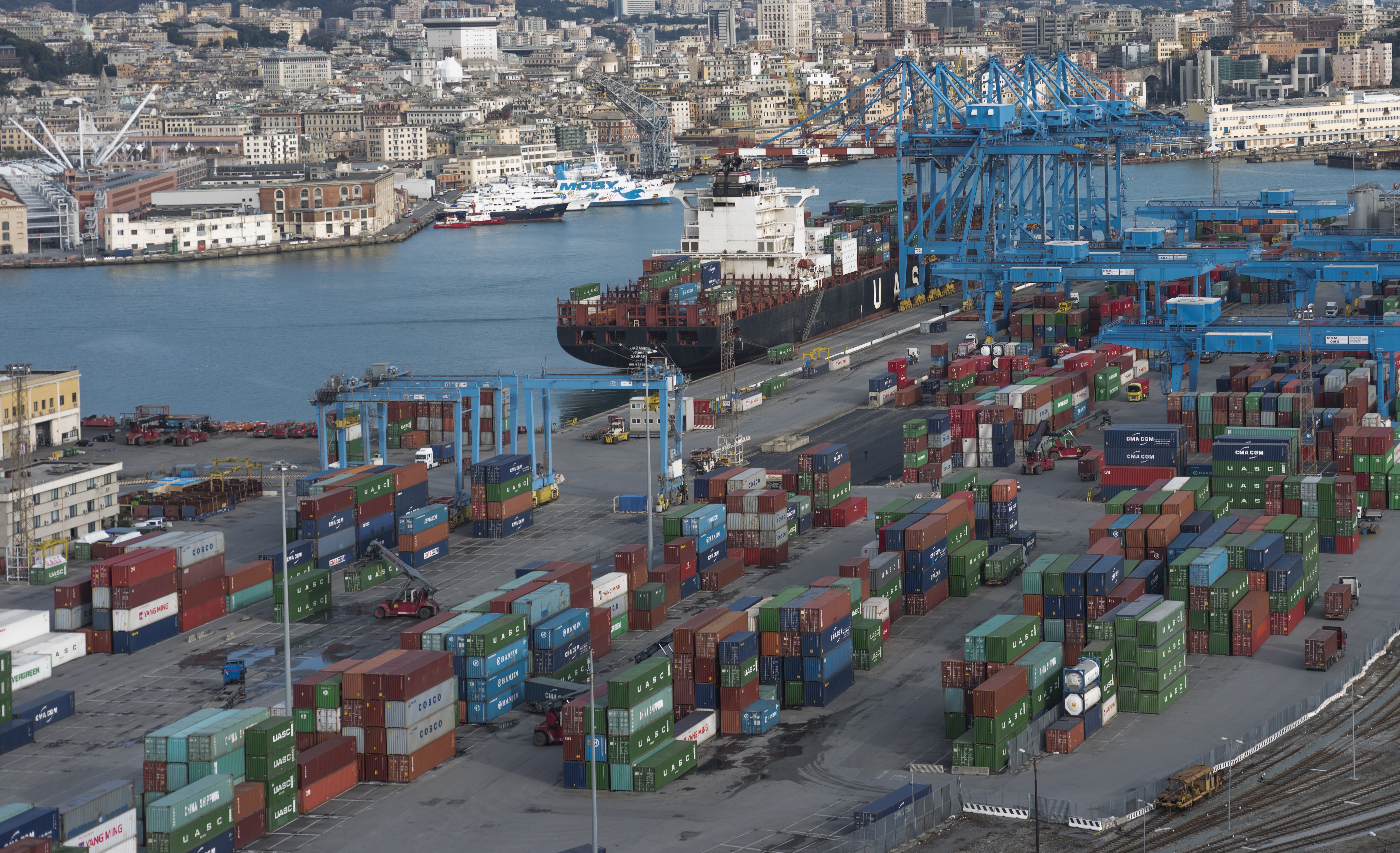
The question is what happens when that economic leverage falls disproportionately on one side of a continuing conflict. Blocking defensive or military supplies to Israel can affect the ability of a sovereign state to respond to attacks. The same pressure does not necessarily reach terrorist organizations that acquire weapons through clandestine networks or state sponsors.
For Israel, this is therefore not an abstract debate about militarization. Iran-backed organizations have attacked the country from Lebanon, Yemen, Iraq and other fronts since October 7. Hamas itself carried out the massacre that triggered the war.
The issue also matters to Washington. American military support for Israel serves several U.S. objectives, including Israeli defense and regional deterrence. A transnational labor campaign that seeks to obstruct weapons shipments can therefore interfere with policies established by elected governments, not merely with private commercial activity.
At the same time, peaceful labor protest remains part of democratic society. The sharper issue is the political narrative behind the action. Opposition to every war is coherent as a pacifist position. Singling out the state responding to a terrorist attack, while giving far less attention to the armed actors that initiated and prolonged the conflict, creates a very different moral argument.
The Covenant to Defend Before There Can Be Peace
Israel’s covenantal mission before God includes the protection of Jewish life and the defense of sovereign territory. That responsibility became painfully concrete on October 7. A Jewish state that cannot defend its communities from massacre cannot fulfill the basic purpose of national restoration and sovereignty.
America’s covenantal tradition developed differently, but it also links ordered liberty with the defense of allies and resistance to terrorism. U.S. support for Israel therefore carries both strategic and moral dimensions. The alliance does not require agreement with every Israeli decision, but it does require clarity about the difference between initiating an attack and responding to one.
Peace cannot rest on historical amnesia. Dockworkers can oppose weapons, unions can protest governments and citizens can challenge military policy. But any serious account of this war must begin where the war itself began.
On October 7, Hamas crossed into Israel, murdered civilians and took hostages. Three years later, Hamas still praises that attack. A movement seeking peace should confront that fact with the same seriousness it directs toward Israel’s response.
For more stories on Israel, faith, and the values behind the headlines, follow Sinai on Facebook and Instagram.
Discussion0
No comments yet — be the first to share your thoughts.