Israel Election Poll: Eisenkot Leads, Blocs Deadlocked
A new Kan 11 poll puts Eisenkot’s Yashar ahead of Likud, but neither major bloc reaches the 61 seats needed for a Knesset majority

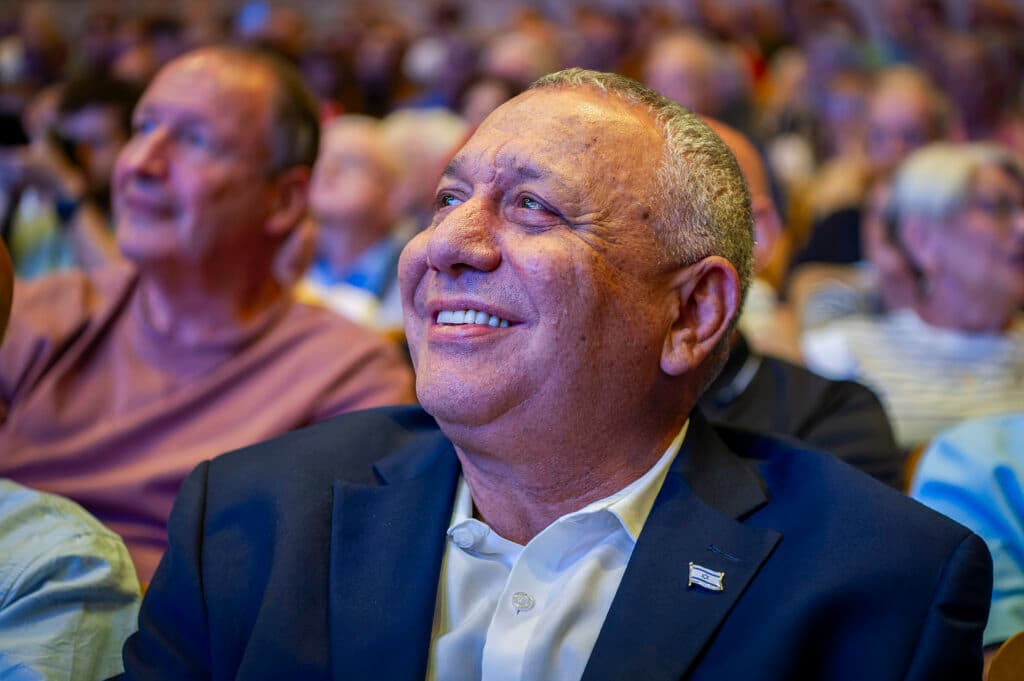
A new Israel election poll places Gadi Eisenkot’s Yashar party narrowly ahead of Prime Minister Benjamin Netanyahu’s Likud. Yet the more important number may be 61, which neither political bloc currently reaches.
According to the Kan 11 poll published October 4, Yashar would receive 23 seats. Likud follows with 21, while Naftali Bennett’s party would take 12. Netanyahu’s bloc stands at 51 seats, compared with 52 for the opposing Zionist bloc. Arab parties would hold 13 seats, while Yoaz Hendel and Yaron Zelekha’s list would receive four.
The Knesset has 120 members, meaning a governing majority normally requires support from at least 61 lawmakers. Recent surveys from several outlets have differed significantly, but most continue to show neither main bloc reaching that mark on its own.
Psalm 133 declares, “Behold, how good and how pleasant it is for brethren to dwell together in unity.” Israeli democracy thrives on argument, but the next government will still need enough common ground to govern. After three years of regional war, that challenge carries unusual weight.
Israel Election Poll Leaves Both Blocs Short
The latest Kan numbers reinforce Eisenkot’s position as one of Netanyahu’s strongest electoral competitors. Yashar leads Likud by two seats, while Bennett remains the third-largest force in the poll. However, party rankings alone do not determine who forms Israel’s next government.
Ofer Winter’s People of Israel does not cross the electoral threshold in this survey. That weakens the potential arithmetic available to Netanyahu’s bloc. Hendel and Zelekha, meanwhile, hold four seats outside the two main camps according to the poll.
Recent polling illustrates how fluid the race remains. An October 1 Zman Yisrael survey had Likud and Yashar tied, while a Channel 13 poll placed Netanyahu’s bloc ahead. Earlier surveys have shown the opposite. These differences make any single poll a snapshot rather than a forecast of the October 27 result.
The Coalition Math Matters More Than First Place
Even if Yashar finishes first, Eisenkot would still need partners capable of producing a parliamentary majority. The same applies to Netanyahu. Bennett’s 12 projected seats therefore matter not only as a third-place showing, but as part of a much larger coalition equation.

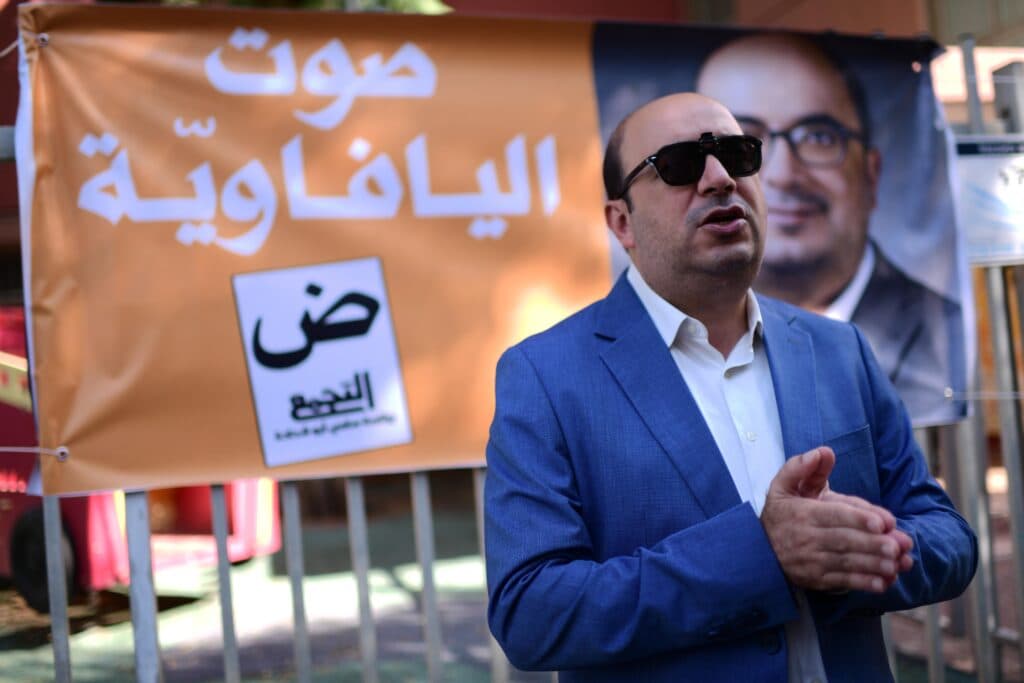
Arab representation could also become decisive. The latest poll gives Arab parties 13 seats, enough to matter substantially if neither Zionist bloc reaches 61. That arithmetic gives added relevance to “Abu Shehadeh Disqualification Divides Arab Parties,” which examined the debate over candidacies, representation and the boundaries of electoral participation.
The political significance is broader than one candidate. Israel’s system allocates Knesset seats proportionally among parties that cross the 3.25% electoral threshold. Small movements around that line can therefore reshape the coalition map even when support for the largest parties barely changes.
For Washington, the election comes during a period of intense U.S.-Israel coordination over Iran and regional security. The identity and composition of Israel’s next government could affect diplomatic style and domestic priorities. However, the alliance itself extends across governments and political parties.
Leadership During a National Test
Israel is holding this election after years of war, military mobilization and internal political strain. Voters are weighing security, responsibility, economic pressure and the direction of the country after October 7. Those questions make coalition stability more than a procedural issue.
Israel’s covenantal mission before God places responsibility on national leadership to protect Jewish life while preserving justice and public order. America’s covenantal tradition developed differently, but it also treats representative government as a responsibility entrusted to citizens and institutions. Neither tradition requires political agreement, but both place weight on accountable leadership.
The latest Israel election poll therefore shows a race without a clear governing majority. Eisenkot leads Netanyahu at the party level, while the two wider blocs remain separated by only one seat. Bennett, the Arab parties and Hendel-Zelekha could all influence the eventual coalition arithmetic.
For now, the poll says more about uncertainty than victory. With neither bloc near 61, Israel’s election remains not only a contest over who finishes first, but over who can assemble a government afterward.
For more stories on Israel, faith, and the values behind the headlines, follow Sinai on Facebook and Instagram.
Discussion0
No comments yet — be the first to share your thoughts.