Trump Iran Talks Stall Over June Deal
Trump rejected a return to the June U.S.-Iran memorandum, betting that stronger economic pressure will force Tehran to make concessions as mediation stalls

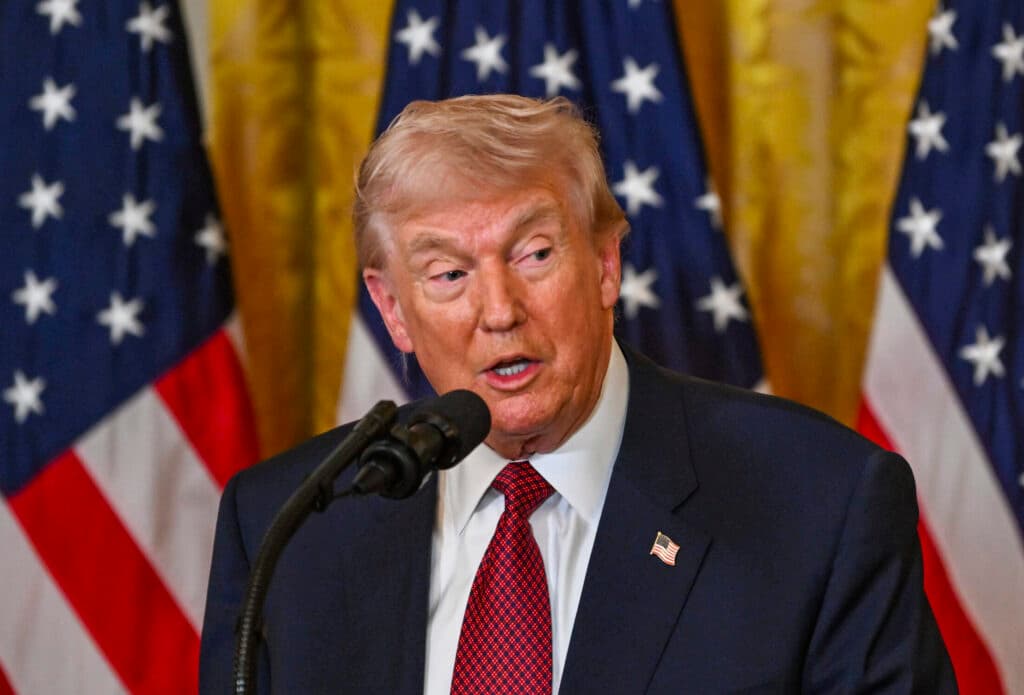
Trump Iran talks have stalled after President Donald Trump rejected a return to the preliminary memorandum reached with Tehran in June. The Wall Street Journal reported that the administration has repeatedly told mediators it will not restore the earlier terms. Instead, Trump is betting that heavier economic pressure will force Iran to make concessions.
Psalm 34:15 gives diplomacy a demanding standard: “Seek peace and pursue it.” The same verse first calls on people to turn from evil and do good. That distinction matters when diplomacy must produce more than a temporary pause. A lasting agreement must also address the threats that made the conflict possible.
Trump Iran Talks Move Away From June Framework
The June memorandum sought to reopen the Strait of Hormuz and begin negotiations on Iran’s nuclear program and the wider war. It also envisioned sanctions relief and Iranian access to frozen funds. Vice President JD Vance helped negotiate the preliminary agreement, which Trump signed at the Palace of Versailles, according to the Journal.
The arrangement fell apart within weeks. The Journal reported that Iran resumed attacks on ships while seeking greater control over the strategic waterway. Tehran now insists that reopening Hormuz must follow the June framework, including relief from American economic pressure.
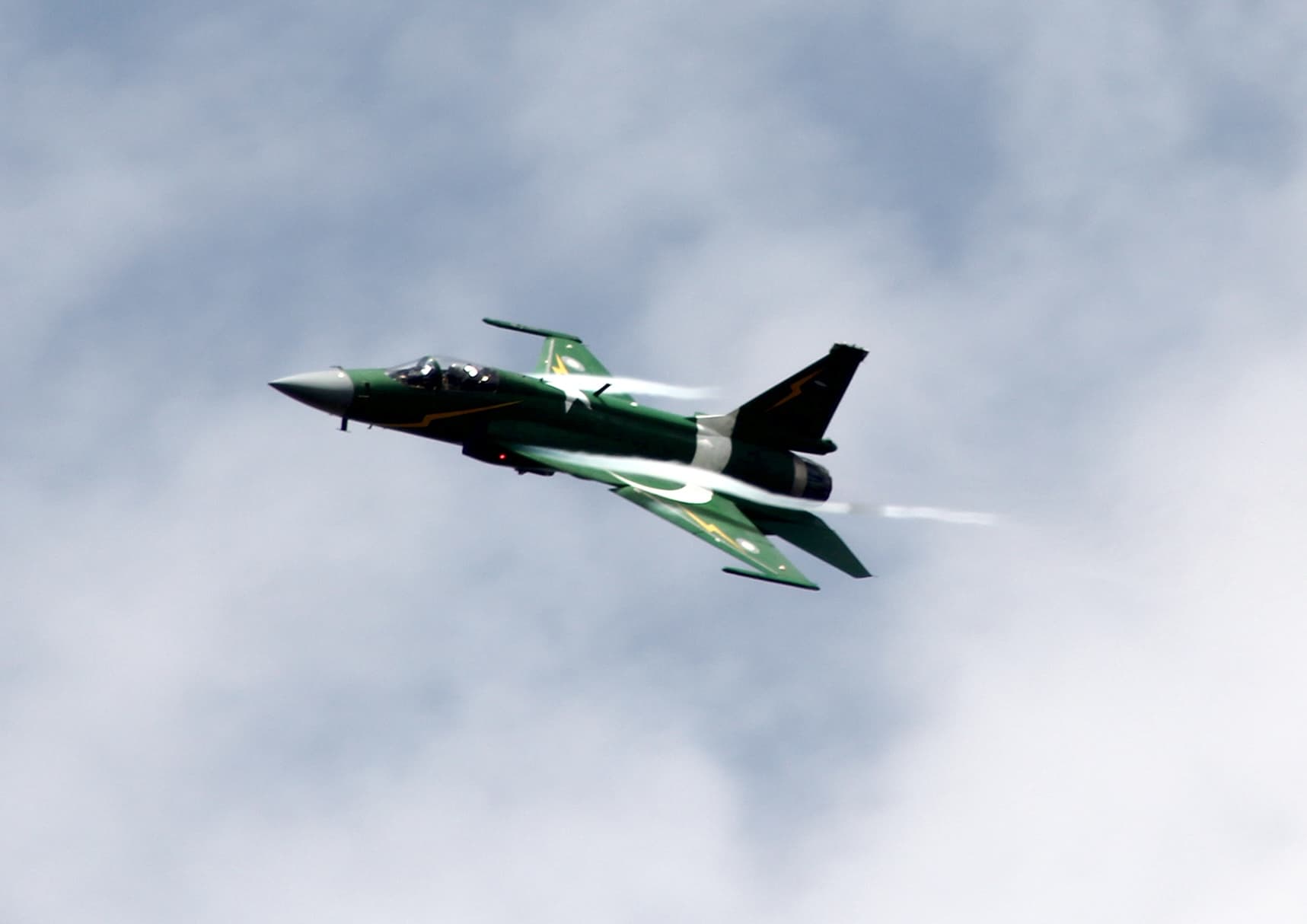
Pakistan, Oman, and Qatar have tried to mediate between Washington and Tehran, but the efforts have made little progress. Reuters reported Thursday that the White House says no negotiations are currently underway. However, the administration has said that all options remain open.
Economic Pressure Becomes Trump’s Main Bet
Washington is now sharply increasing the economic pressure behind its negotiating position. On August 24, the Treasury Department launched Operation Economic Outcast at Trump’s direction. Treasury said the campaign targets financial channels supporting Iran’s regime, the IRGC, oil revenues, missile procurement, and other operations.
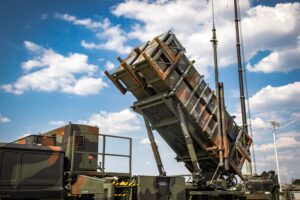
The diplomatic shift comes as the military cost of confronting Iran is also becoming clearer. “U.S. Patriot Stockpiles in Europe ‘Beyond Critical’” detailed concerns that heavy interceptor use during the Iran war has strained American missile-defense reserves. Together, the developments show Washington balancing pressure on Tehran with the need to preserve readiness across several regions.
Israel has a direct stake in the outcome of the Trump Iran talks. Any agreement can affect Tehran’s nuclear program, missile capabilities, finances, and ability to support armed groups across the region. The Strait of Hormuz also remains central to global energy flows and wider Gulf security.
Trump’s decision signals that Washington does not want diplomacy simply to recreate an agreement that already failed. The administration appears willing to wait while sanctions and financial isolation place greater pressure on Tehran. Whether that pressure produces meaningful concessions remains unresolved.
Peace Backed by Strength
America and Israel share a covenantal understanding that peace, freedom, and national strength carry responsibilities before God. Both traditions place value on defending life, resisting tyranny, pursuing justice, and protecting liberty for future generations. In each, power has a higher purpose when it shields people from those who would use violence to dominate them.
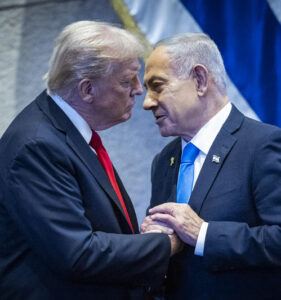
That shared principle is particularly relevant to negotiations with Iran. America seeks security for its forces, allies, and freedom of navigation. Israel needs an agreement that meaningfully reduces the military and nuclear threats posed by Tehran. Both nations have an interest in peace, but also in ensuring that peace does not simply give an aggressor time to rebuild.
The current impasse will test whether sustained economic pressure can create the conditions for a more durable agreement. The goal for both allies is not endless conflict. It is a peace strong enough to protect the people who must live with its consequences.
For more stories on Israel, faith, and the values behind the headlines, follow Sinai on Facebook and Instagram.
Discussion0
No comments yet — be the first to share your thoughts.