Trump Iran Victory Claim Cites Hormuz Oil Flow
Trump said the U.S. is moving toward victory over Iran, citing Hormuz oil flow, mine-clearing, destroyed Iranian boats, and pressure on Tehran’s collapsing economy

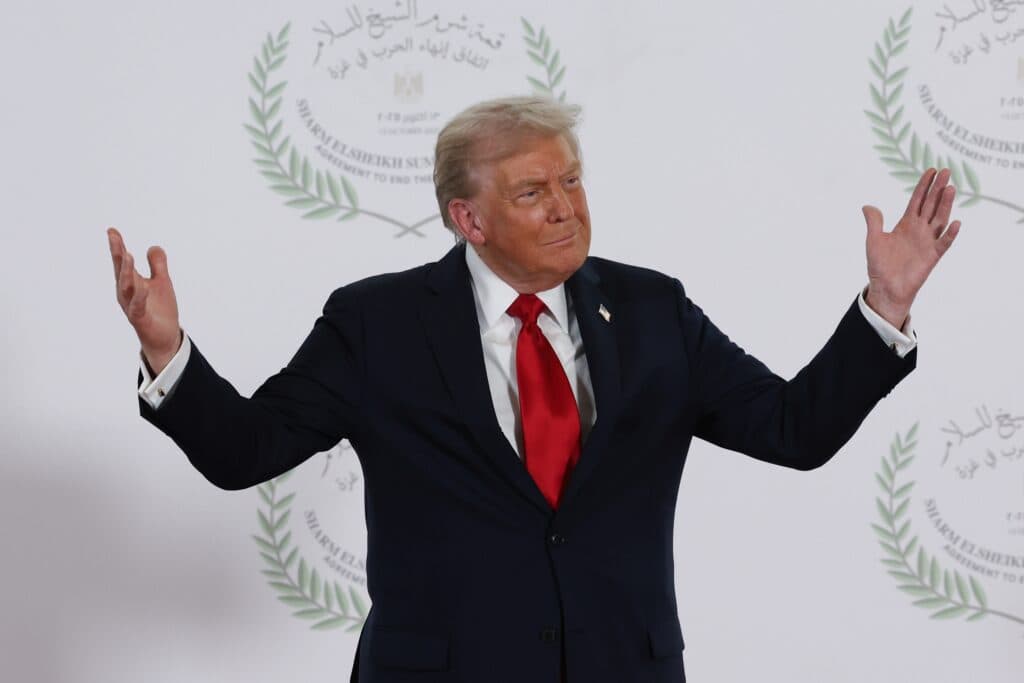
Trump Iran victory remarks are adding pressure to Tehran as President Donald Trump says the United States is moving toward “a very great victory over Iran.” In reported comments, Trump said there is no fixed timetable for the confrontation with Iran and that Washington will continue as long as necessary. He also said Iran is suffering from massive inflation and that its economy is collapsing.
Trump addressed Mojtaba Khamenei, the son of Iran’s former supreme leader, saying he does not believe Mojtaba is dead. According to Trump, Mojtaba was “very seriously injured” on the left side of his body, including his arm and leg. Trump added that if Mojtaba is dead, Iran is “putting on a pretty convincing show,” because officials keep referring to seeking his final blessing.
Psalm 89 declares, “Thou rulest the swelling of the sea.” That verse gives the Hormuz dispute its deeper frame. Control over sea lanes is not only a matter of oil markets or naval maps. It is a question of whether lawful order can hold when a hostile regime tries to turn geography into leverage.
Trump Iran Victory Remarks
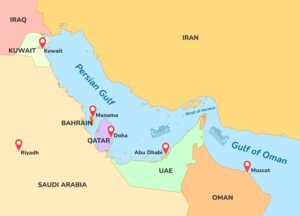
Trump also focused on the Strait of Hormuz, insisting that the waterway is functioning despite Iranian pressure. He said U.S. forces cleared the mines and that the strait remains active. “Large quantities of oil are flowing through it,” he said, adding that 10 million barrels passed through the strait the previous day.
Those remarks clash sharply with Tehran’s messaging. Iran has said the strait remains closed until the U.S. naval blockade is lifted and the terms of the relevant memorandum are honored. At the same time, Reuters reported that Iran and Oman are still working through details of a possible framework for Hormuz, while AP reported that Iranian officials have discussed restricting military vessels under a future arrangement.
The maritime picture is therefore contested. Trump wants the world to see American pressure as effective and Hormuz as functioning. Iran wants to show that it still controls the diplomatic and maritime terms. Global markets, Gulf states, and U.S. allies are watching which narrative becomes reality.
Boats, Mines And Pressure
In an interview reported by Al Jazeera, Trump said the United States destroyed 20 Iranian boats overnight. He tied that military action to America’s financial strength, arguing that both pressure points will help deliver victory over Iran. He also said he is not rushing back to negotiations.
The remarks follow “Iran-Oman Hormuz Agreement Keeps Strait Closed.” That article reported that Iran and Oman announced progress toward a preliminary Hormuz framework, while Tehran said the strait would stay closed until the U.S. blockade is lifted. Trump’s latest comments now push the opposite message: Washington believes it can keep oil moving, clear mines, strike Iranian assets, and maintain pressure without accepting Tehran’s timetable.
For Israel, that matters directly. Iran’s ability to threaten Hormuz, fund proxies, and prolong negotiations all serve the same strategic goal: preserving regime leverage while continuing to threaten the Jewish state. If U.S. pressure weakens that leverage, Israel gains more room to defend itself against the Iranian system behind Hamas, Hezbollah, the Houthis, and other regional threats.
The Sea Gate And Covenant Duty
The United States and Israel carry separate covenantal missions before God, and this moment touches both through the defense of freedom under pressure. America’s mission requires using strength to protect trade routes, deter hostile regimes, and prevent Iran from turning energy flows into ransom. Israel’s mission requires guarding Jewish life against a regime that uses money, missiles, drones, and proxies to threaten the people of Israel.
That does not make every military claim simple or every battlefield report final. Trump’s statements still need to be judged by events on the water, shipping data, and Iran’s next move. However, the strategic direction is clear: Washington is trying to show that Tehran cannot close Hormuz, cannot hide behind negotiations forever, and cannot escape the cost of escalation.
Iran wants the region to believe it holds the gate. Trump wants the world to believe the gate is open and that American pressure is breaking Tehran’s position. Between those claims sits the central test of the confrontation: whether Iran can still threaten global movement, or whether U.S. power can force the regime back toward limits before the next dangerous escalation.
For more stories on Israel, faith, and the values behind the headlines, follow Sinai on Facebook and Instagram.
Discussion0
No comments yet — be the first to share your thoughts.