Iran-Oman Hormuz Agreement Keeps Strait Closed
Iran and Oman announced progress toward a preliminary Hormuz framework, but Tehran says the strait will stay closed until the U.S. blockade is lifted

The Iran-Oman Hormuz agreement has raised new questions over who controls shipping through one of the world’s most important maritime routes. Iran and Oman released a joint statement announcing progress toward a preliminary framework for managing the Strait of Hormuz, but Tehran quickly emphasized that the strait would remain closed until the U.S. naval blockade is lifted and the terms of the memorandum are honored.
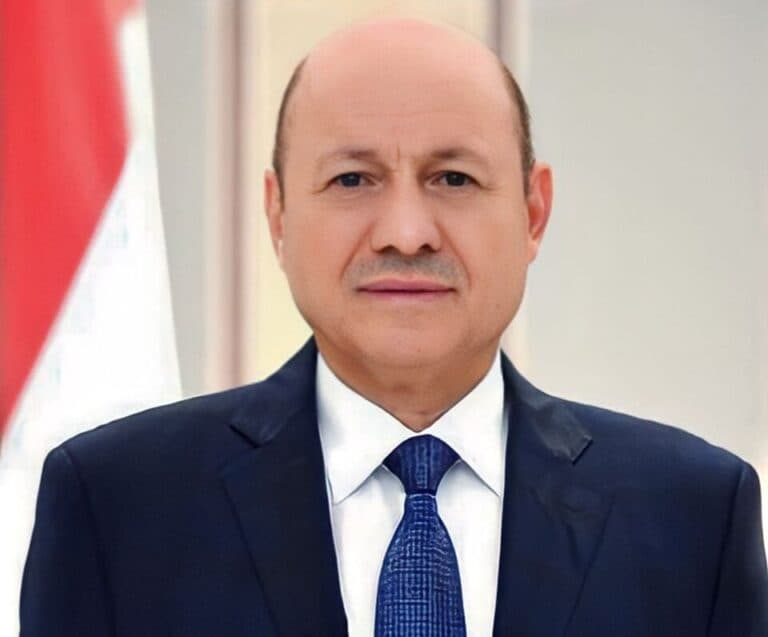
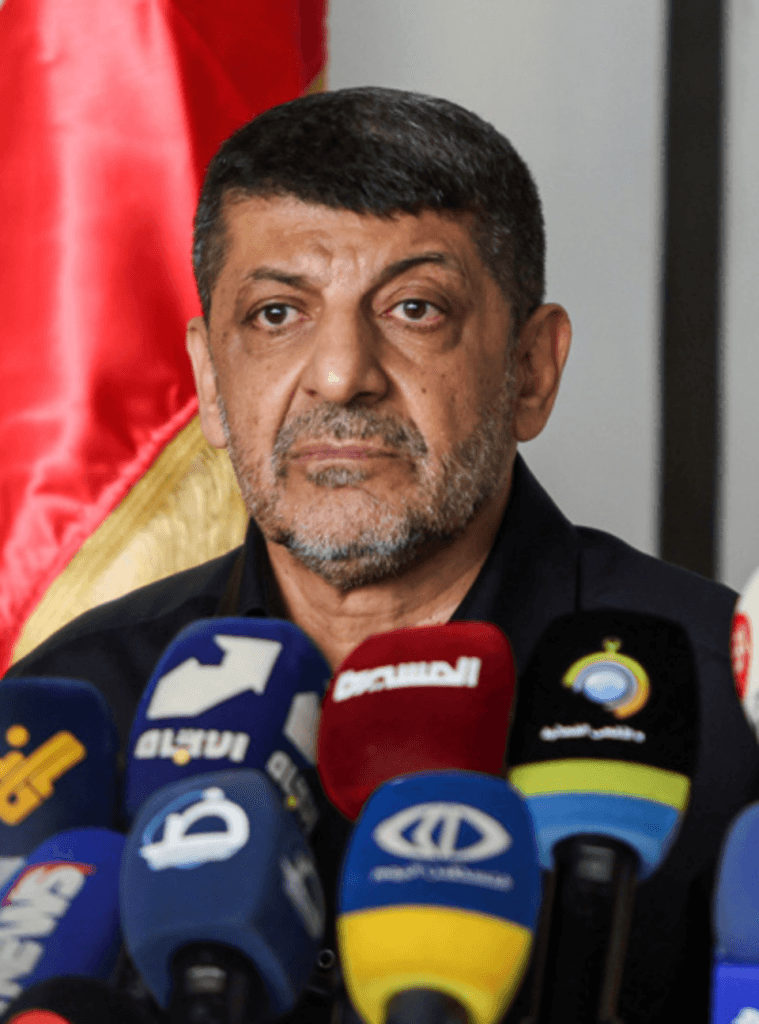
According to the statement, Oman’s Foreign Minister Sayyid Badr bin Hamad Al Busaidi visited Iran for consultations with Iranian Foreign Minister Seyed Abbas Araghchi. The two sides focused on restoring safe navigation through the Strait of Hormuz while preserving sovereignty and sovereign rights. Psalm 107 speaks of those “that go down to the sea in ships, that do business in great waters.” In this case, the verse gives the story its practical weight: shipping lanes are not abstractions, but the arteries of trade, energy, deterrence, and national survival.
Iran-Oman Hormuz Agreement
The joint statement said the two sides discussed a phased framework that could provide a practical basis for implementation, given the current situation in the strait after the recent war and its consequences. The proposed framework includes a temporary joint maritime corridor through Hormuz and a joint project to clear mines from the strait.
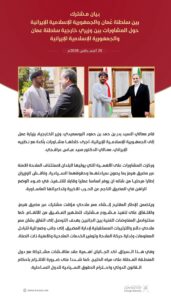
Technical negotiations are expected to continue. The goal is to reach an agreement on a permanent maritime corridor, future arrangements for managing the strait, and mechanisms for information exchange, traffic management, and maritime security services. The statement also stressed the need for joint discussions with Gulf states bordering the waterway and for respect for international law and the sovereign rights of coastal states.
However, the most sensitive details remain unresolved. According to preliminary information, Iran has been given control over incoming maritime traffic and the right to impose service fees. If confirmed, that would mark a major shift in how Hormuz traffic is managed and would give Tehran a direct tool to shape movement through the strait.
A Shipping Deal Under Pressure
Iran’s Foreign Ministry emphasized that the agreement does not mean Hormuz will reopen immediately. Tehran says the strait will remain fully closed until the U.S. naval blockade is lifted and the memorandum’s terms are observed. That position keeps pressure on Washington while allowing Iran to present the Oman channel as regional diplomacy rather than capitulation.
The new statement builds on “Iran Says Hormuz Talks With Oman Are Not U.S. Negotiations.” That article reported that Iran’s Foreign Ministry described the Hormuz talks with Oman as discussions over shipping routes, not negotiations with the United States. The distinction matters because Tehran wants the world to see Oman as a regional mediator, while rejecting the idea that it is bending under American pressure.
For the United States, the stakes remain enormous. Hormuz carries a major share of global energy traffic, and any Iranian role over fees, approvals, or transit lists would create new risks for oil markets and U.S. partners. Washington has already framed the crisis around freedom of navigation and the need to prevent Iran from weaponizing geography.
Israel’s concern is more strategic than commercial. Iran’s ability to pressure Hormuz gives Tehran leverage that can affect every front where Israel faces Iranian-backed threats. A regime that controls money, sea lanes, and proxy forces can use all three together: squeeze shipping, fund militias, and pressure the United States to restrain Israel.
Sovereignty At The Sea Gate
The United States and Israel carry separate covenantal missions before God, and the Hormuz dispute tests both at the edge of the sea. America’s mission requires defending lawful navigation and preventing hostile regimes from turning global trade into ransom. Israel’s mission requires guarding Jewish life against an Iranian system that uses every available tool, from oil routes to armed proxies, to threaten the Jewish state.

That does not make Oman’s mediation meaningless. A temporary corridor and mine-clearing project could reduce immediate danger for ships and crews. But any arrangement that strengthens Iran’s hand over maritime traffic must be judged carefully, especially if Tehran can charge fees, restrict entry, or punish vessels it labels non-compliant.
Hormuz is not only a regional waterway. It is a test of whether international trade remains free or becomes subject to coercion by a regime already under heavy American pressure. If the Iran-Oman framework restores safe navigation without rewarding Iranian blackmail, it may lower tensions. If it gives Tehran a new enforcement role while the strait stays closed, the crisis may simply move into a more formal shape.
The world is now watching the fine print. A corridor can open a route, but it can also expose who holds the gate.
For more stories on Israel, faith, and the values behind the headlines, follow Sinai on Facebook and Instagram.
Discussion0
No comments yet — be the first to share your thoughts.