Trump Endorses Netanyahu Ahead of Israel Vote
Trump endorsed Netanyahu ahead of Israel’s October 27 vote, while Netanyahu answered with praise for Trump and a message to Americans about Iran and fuel prices
Sinai Desk
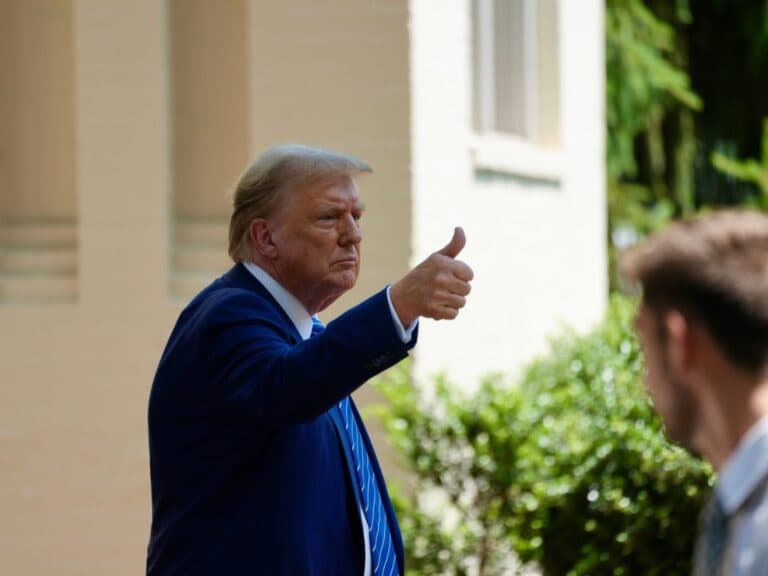
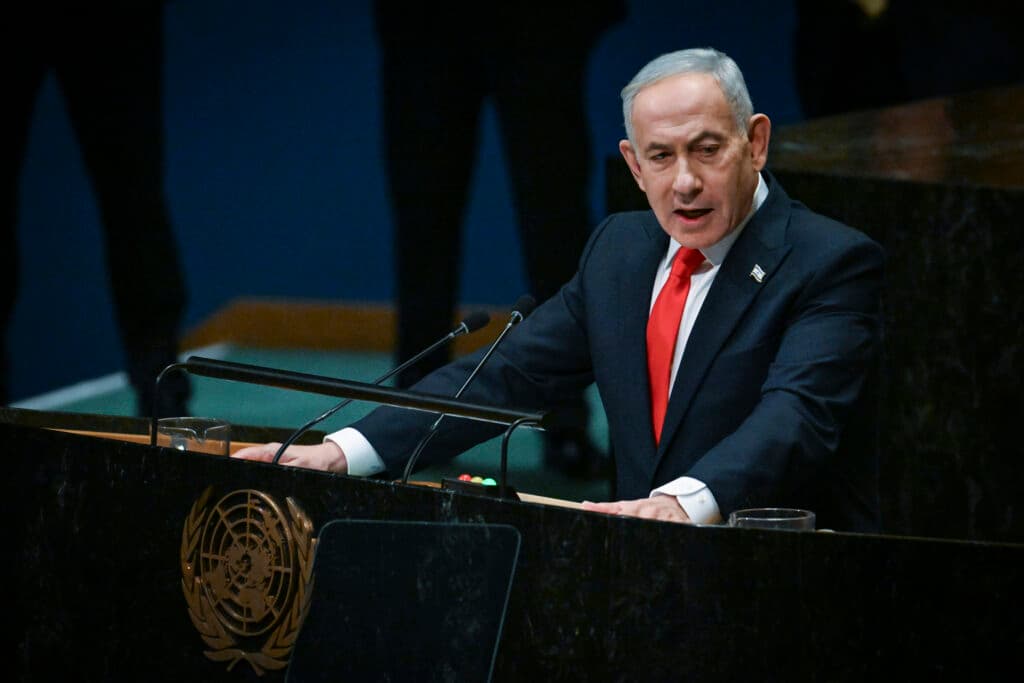
Trump endorses Netanyahu, giving Prime Minister Benjamin Netanyahu his full support just nine days before Israel’s October 27 election. The U.S. president tied his endorsement closely to the confrontation with Iran. Trump described Netanyahu as a vital American partner and warned that Washington could face more of the burden alone if Israeli leadership changed.
Addressing “the Great People of Israel,” Trump called Netanyahu a “Great Warrior Prime Minister” and praised his role in confronting Tehran. He then offered what he called his “Complete and Total Endorsement” of Netanyahu’s reelection bid. Trump also argued that Netanyahu had become stronger under pressure and remained the Israeli leader he wanted beside Washington in dealing with Iran.
Ecclesiastes 4:9 says, “Two are better than one; because they have a good reward for their labour.” The verse speaks to partnership rather than politics. In the current U.S.-Israel relationship, Iran has become the clearest test of whether strategic cooperation between the two countries can translate into lasting deterrence.
Trump Endorses Netanyahu With Iran at the Center
Trump’s endorsement focused far more on Iran than on Israel’s domestic political disputes. He argued that Tehran’s decades of threats against both Israel and the United States made the relationship between Washington and Jerusalem especially important. He also suggested that any Israeli leader other than Netanyahu could leave America carrying more of the burden against Iran.
The endorsement came only days after Trump had declined to back any Israeli candidate publicly. In a Newsmax interview, he said he did not trust anyone in politics, although he praised the U.S.-Israel military partnership and described his relationship with Netanyahu as very good. On Sunday, Trump told Israel’s Channel 12 that he had always intended to support Netanyahu but did not want to do so too early.
The intervention also drew a response from Netanyahu’s main political rival, Gadi Eisenkot. Eisenkot said he respected Trump but stressed that Israeli citizens alone would decide the election. That distinction remains important as a sitting American president openly weighs in on another democracy’s national campaign.
Iran remains the strategic thread connecting Trump’s endorsement to broader U.S.-Israel policy. In “Trump Warns Iran as CENTCOM Claims Hormuz Control,” Trump warned that American patience with Tehran was running out as tensions increased around the Strait of Hormuz. His endorsement of Netanyahu now places that confrontation directly inside Israel’s election debate.
Netanyahu Responds With a Message to Americans
Netanyahu quickly thanked Trump and described the endorsement as extraordinary. In an English-language video, he said Israel had never had a greater friend in the White House. He also praised Trump’s “clarity, consistency, conviction, and courage” while promising that the two leaders would prevent Iran from obtaining nuclear weapons.
Netanyahu then turned directly to American voters. “If you’re worried about today’s gas prices, think of what will happen if Iran gets nuclear weapons,” he said. He also claimed that gasoline prices would fall if the Iranian regime disappeared, adding that this would happen “only under Trump.” Those statements were political claims by Netanyahu, not independent economic forecasts.
The timing gave the response clear significance in the United States. America’s congressional midterm elections take place on November 3, one week after Israelis vote. Rising gasoline prices have become a major domestic issue, while the Iran war and disruptions around the Strait of Hormuz continue to influence energy markets. Reuters reported that Brent crude recently traded above $100 per barrel as reduced Gulf exports and regional instability constrained supply.
Netanyahu’s video therefore linked the two election seasons through the same issue: Iran. Trump presented Netanyahu as the Israeli partner he wants against Tehran. Netanyahu, in turn, presented Trump’s Iran policy as consequential for American security and energy costs.
Two Elections, One Strategic Partnership
The exchange highlights how unusually intertwined American and Israeli politics have become. Decisions over Iran, military action, energy markets and regional deterrence now have immediate political consequences in both countries. Washington’s military posture affects Israeli security, while Israeli decisions can influence American deployments, energy prices and domestic political debate.
That relationship does not erase each country’s independent democratic process. Israelis will choose their Knesset on October 27, while Americans will choose members of Congress on November 3. Trump’s endorsement and Netanyahu’s response add another layer to those campaigns, but the final decisions remain with voters in each country.
The practical security relationship, however, extends well beyond election rhetoric. Israel and the United States share intelligence, coordinate military planning and confront many of the same Iranian threats. Both governments have also stated that Iran must not acquire a nuclear weapon, even as disagreements have emerged over tactics and timing.
Covenant, Sovereignty and the Responsibility of Power
Israel’s covenantal mission before God places Jewish survival, sovereignty and the defense of the Land of Israel within a history far older than the modern state. That responsibility requires Israeli leaders to protect Jewish life while preserving Israel’s ability to make sovereign decisions about its own security.
America’s covenantal tradition developed differently. It connects national power with liberty, constitutional government and a responsibility to defend the country and its allies. The U.S.-Israel partnership becomes most meaningful when those separate national missions produce practical cooperation without erasing the sovereignty of either nation.
Trump and Netanyahu have chosen to make Iran the central theme of their latest political exchange. Their statements combine military strategy, electoral politics and economic concerns at a moment when both countries face consequential votes.
Whatever the electoral impact, the message from both leaders is clear: they view the struggle over Iran not as a distant foreign-policy question, but as a defining issue for the future of both Israel and the United States.
For more stories on Israel, faith, and the values behind the headlines, follow Sinai on Facebook and Instagram.
Discussion0
No comments yet — be the first to share your thoughts.