Netanyahu on European Leaders: ‘Be Leaders!’
Netanyahu accused European leaders of weakness toward extremist political pressure, praised Trump’s leadership and highlighted private counterterror cooperation
Sinai Desk
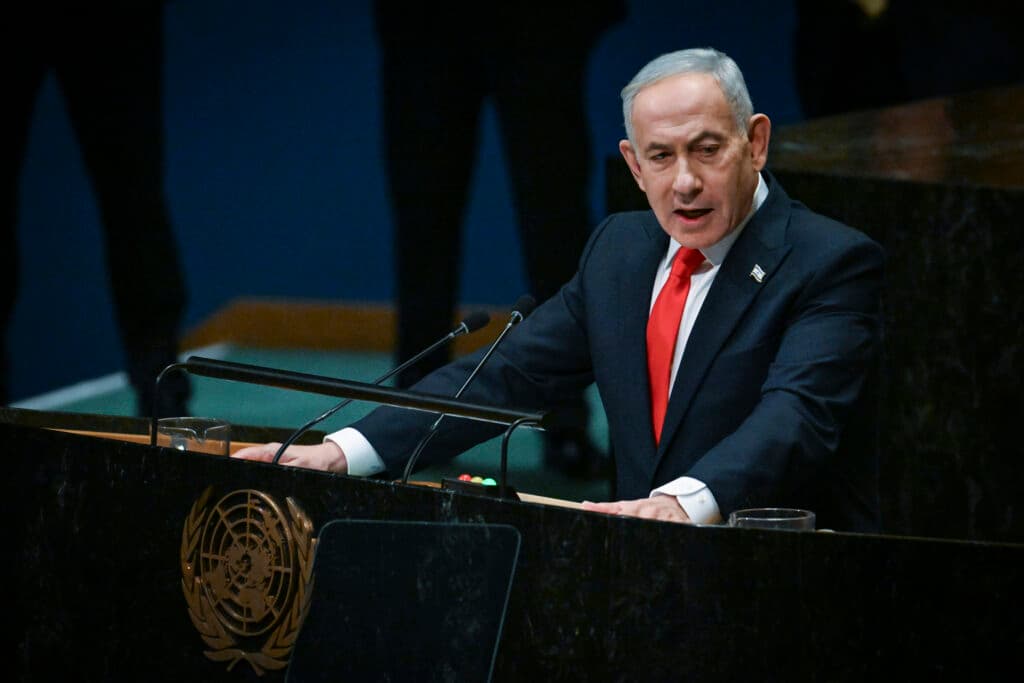
Prime Minister Benjamin Netanyahu on European leaders delivered a sharp rebuke, accusing them of yielding to domestic political pressure instead of confronting extremism. Netanyahu contrasted their approach with that of President Donald Trump, whom he described as an example of decisive leadership. His comments continued a broader dispute between Jerusalem and several European governments over Israel, terrorism and Middle East policy. The remarks were reported Sunday by Israeli outlets carrying Netanyahu’s comments.
“They really infuriate me,” Netanyahu said. “You don’t have to surrender to the trends dictated by the Islamist voter base and the crazy left.” He then urged them: “Stand your ground. Be leaders. President Trump is a leader. Be leaders!” Netanyahu described the European officials as “weak and passive” and accused them of trying to appease extreme political constituencies.
Joshua 1:9 commands, “Be strong and of a good courage; be not afraid, neither be thou dismayed.” Netanyahu’s criticism centers on a similar question of leadership under pressure. His argument is that democratic governments should confront terrorism and extremism even when doing so carries political costs at home.
Netanyahu on European Leaders and Terrorism
Netanyahu also accused European governments of maintaining two different relationships with Israel. According to the Israeli report, he said some publicly attack Israel at institutions such as the United Nations. Behind closed doors, however, he said those same governments seek Israeli assistance in combating terrorism.
That claim reflects an argument Netanyahu has made for years. Israel maintains extensive security, intelligence and counterterrorism relationships with European states. Netanyahu has long argued that this creates a contradiction when governments rely on Israeli security capabilities while sharply criticizing Jerusalem in international forums.
He made a similar case at the United Nations last month. In his September 24 address, Netanyahu accused several Western European leaders of choosing “weakness” and “appeasement.” He argued that Israel was confronting jihadist forces that also threaten European interests, including trade routes, energy supplies and domestic security.
European governments dispute Netanyahu’s interpretation of their policies. France, Britain and other states have argued that criticism of Israeli conduct, settlement policy or military operations reflects legal and humanitarian concerns rather than accommodation of terrorism. Several European countries have also maintained substantial security cooperation with Israel while criticizing specific Israeli policies.
That difference is central to the dispute. Netanyahu portrays the issue as one of whether Western democracies will stand firmly against Islamist extremism. European leaders generally frame their positions as an effort to separate support for Israel’s security from opposition to policies they consider unlawful or harmful.
Trump Becomes Netanyahu’s Contrast
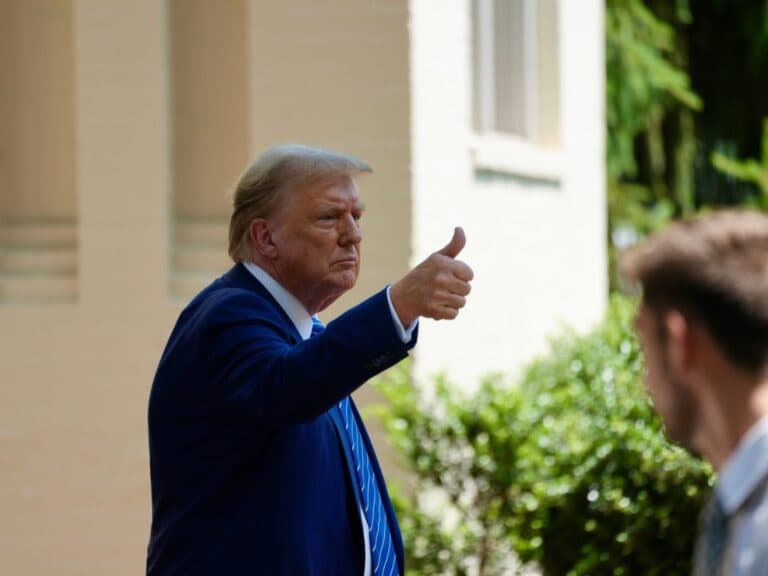
Trump’s role in Netanyahu’s remarks was deliberate. Rather than simply criticizing Europe, Netanyahu held up the American president as the counterexample. His message was that Washington under Trump has shown a greater willingness to use power and withstand political pressure when confronting shared threats.
The comparison also reflects the unusually close strategic alignment between the current American and Israeli governments. Netanyahu has repeatedly praised U.S.-Israeli cooperation against Iran and its regional network. During his September UN speech, he credited American partnership with helping Israel confront Iran and described the two countries as standing together against forces threatening both nations.
The argument extends beyond Netanyahu’s latest comments. A different American view appeared recently in “Obama Israel Remarks: Land Claim Draws Criticism.” Former President Barack Obama criticized Israel’s approach to power and territory while calling for a different political direction. Netanyahu’s latest remarks highlight how sharply American and European debates over Israel can diverge depending on the political leadership involved.
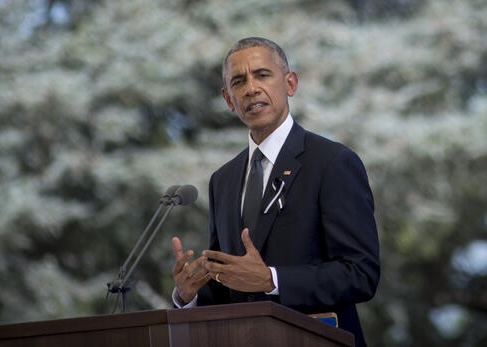
That contrast matters in Jerusalem because Israel’s security environment remains tied to Western policy. European states influence sanctions, diplomacy and international institutions. The United States remains Israel’s most consequential military and diplomatic partner.
Leadership, Covenant and the Fight Against Terror
Israel’s covenantal mission before God carries a particular obligation to preserve Jewish life and sovereignty. Jewish history has repeatedly shown the danger of depending entirely on other governments for protection. Israel therefore places exceptional weight on retaining the strength and freedom to defend itself when threats emerge.
America’s covenantal tradition developed through a different history. It centers on liberty, constitutional government and the defense of a free society against forces that would destroy it. Cooperation with Israel has often rested on that overlap: two sovereign democracies confronting terrorism while maintaining responsibility for how national power is used.
Europe faces its own test in balancing those principles. Governments must protect Muslim citizens from collective suspicion while confronting actual Islamist extremism and antisemitic violence. They must also decide how criticism of Israeli policy can remain distinct from rhetoric that excuses or glorifies terrorism.
Netanyahu’s language leaves little doubt about where he believes European leadership has failed. European governments strongly contest that conclusion. Yet the underlying question will remain relevant long after the immediate political exchange: whether democracies can confront terrorism consistently while resisting pressure from every political extreme.
For more stories on Israel, faith, and the values behind the headlines, follow Sinai on Facebook and Instagram.
Discussion0
No comments yet — be the first to share your thoughts.