Druze Massacre in Syria: Netanyahu Says Israel Acted
Netanyahu says Israeli strikes and a direct warning to Syria’s al-Sharaa helped stop the Druze massacre in Sweida, prompting a sharp denial from Damascus
Sinai Desk
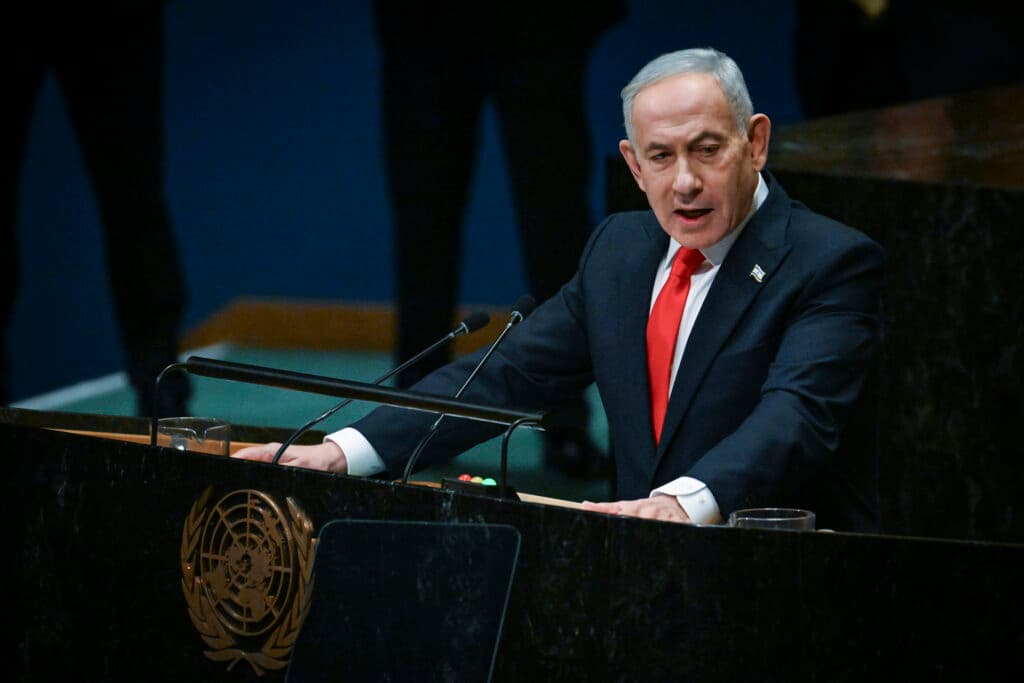
The Druze massacre in Syria returned to the center of Israeli-Syrian tensions Thursday after Prime Minister Benjamin Netanyahu revealed new details about Israel’s intervention in July 2025. Netanyahu said Israel struck major Syrian government targets and that he personally called Syrian President Ahmed al-Sharaa while Druze civilians were being killed in Sweida. Damascus responded hours later, rejecting Netanyahu’s account and accusing Israel of deliberately destabilizing the province.
Speaking at a Likud event with members of Israel’s Druze community in Yarka, Netanyahu described the intervention in blunt terms. “We took down the Defense Ministry in Damascus,” he said. “We took down a target inside the palace compound in Damascus.” Netanyahu then said he called al-Sharaa and held what he described as a “very short and very sharp” conversation. “And the massacre of the Druze stopped,” he said.
Proverbs 24:11 commands, “Deliver them that are drawn unto death, and those that are ready to be slain.” The verse places moral weight on intervention when people face immediate mortal danger. Israel presented its military action in Sweida through precisely that lens, arguing that it could not watch a neighboring minority face mass violence without acting.
Israel Struck Damascus as Druze Were Being Killed
The July 2025 crisis began with fighting between Druze armed groups and Bedouin fighters in southern Syria. Syrian government forces then entered Sweida, officially to restore order. Instead, the intervention quickly produced reports of killings, looting and abuse against Druze civilians.
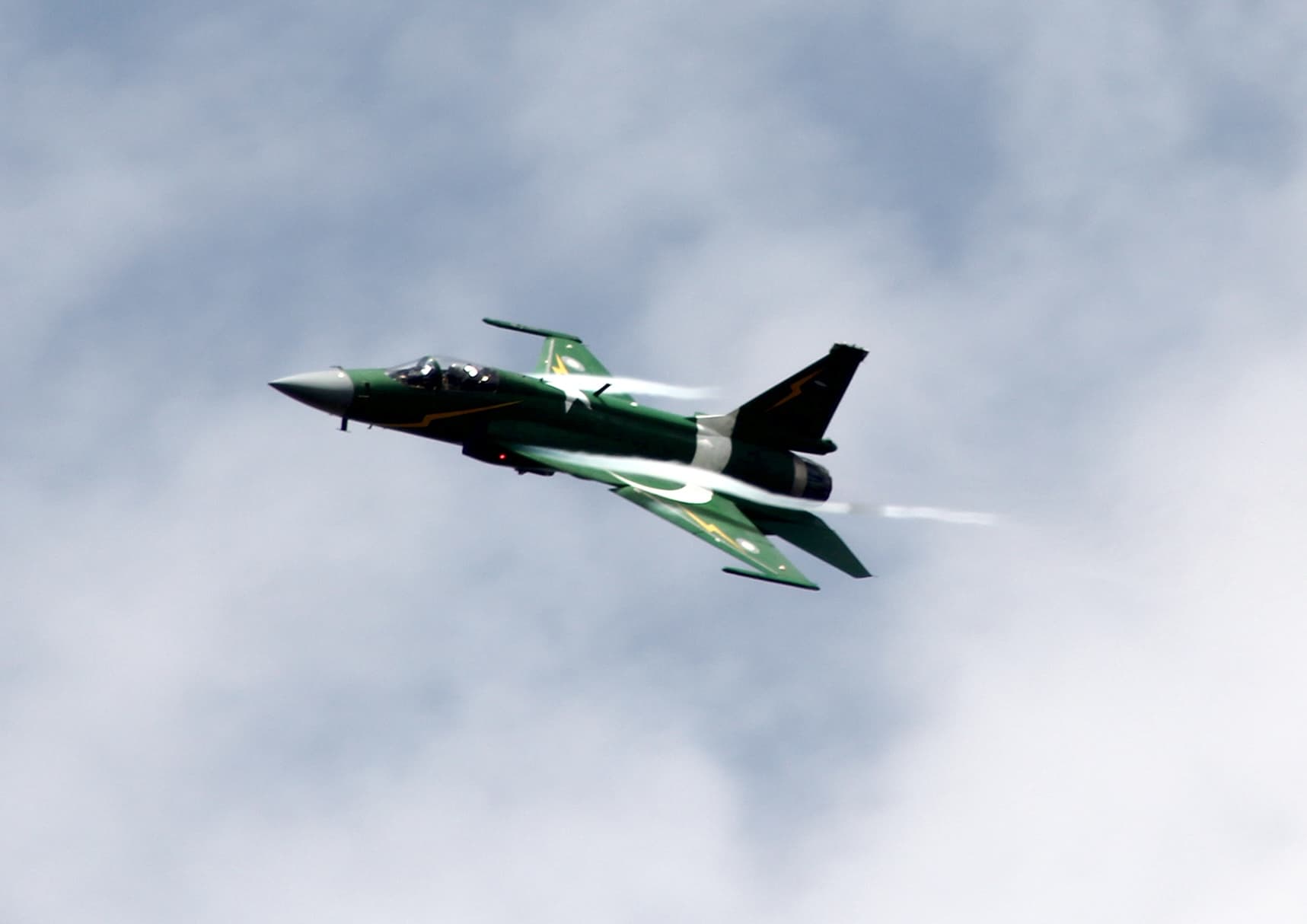
Israel responded with major airstrikes. Reuters reported at the time that Israeli aircraft hit Syria’s Defense Ministry and a military target near the presidential palace in Damascus. Israeli officials said Syrian government forces had become part of the problem rather than protecting the Druze population. Jerusalem demanded that those forces withdraw from the south.
The evidence of abuses against Druze civilians later became much stronger. Amnesty International documented 46 extrajudicial executions carried out by Syrian government and government-affiliated forces on July 15 and 16. Verified videos showed armed men in military and security uniforms executing unarmed people in homes, a public square, a school and a hospital. Some wore official insignia.
Reuters journalists also witnessed government forces looting and burning homes in Sweida. One resident showed Reuters the body of his brother, who had been shot in the head inside his home. The Syrian government said at the time that those responsible for abuses would face accountability.
Netanyahu now says military pressure and his direct warning to al-Sharaa brought the killing to an end. His disclosure may mark the first publicly acknowledged direct conversation between an Israeli prime minister and a Syrian president. Israel and Syria remain formally at war and do not have diplomatic relations.
Damascus Rejects Netanyahu’s Druze Account
Syria answered Netanyahu through an official government source quoted by the state-run SANA news agency. The source declared that “the Druze community in Sweida Governorate has been, and will remain, an integral and inseparable part” of Syria’s national fabric. Damascus also rejected what it called attempts to use the Druze community for Israeli political and electoral purposes.
The Syrian statement went further. It accused Israel of playing a “major and deliberate” role in undermining civil peace in Sweida during the July 2025 crisis. Damascus alleged that Israel armed an “outlaw militia” and sought to create chaos that could drag Syria into a wider war. It also argued that Israeli strikes prevented Syrian authorities from ending clashes between Druze and Bedouin communities.
Those accusations represent the Syrian government’s version of events. However, independent evidence makes any simple account of Damascus acting only as a stabilizing force difficult to sustain. Amnesty’s investigation directly attributed dozens of unlawful killings to government and government-affiliated forces, while Reuters documented abuses as Syrian forces operated inside Sweida.
Syria’s own national investigation later acknowledged serious human-rights violations by multiple actors. Its findings included wrongdoing by some members of government security and military forces, alongside abuses by local armed groups and other fighters. Damascus has since begun judicial proceedings over the violence.
That distinction matters. Israel’s intervention unquestionably violated Syria’s preferred understanding of its sovereignty. Yet the record also shows that Druze civilians faced documented abuses from forces connected to the Syrian state at the time Israel acted.
Washington’s Gamble With Syria Faces Another Test
The dispute gives new weight to the concerns raised in “Syria Terror List Removal Raises Israel Security Concerns.” That article examined Washington’s move toward normalizing relations with al-Sharaa’s government despite continued Israeli doubts about Syria’s new leadership.
That process has since advanced significantly. On August 24, Secretary of State Marco Rubio formally removed Syria from the U.S. list of State Sponsors of Terrorism. Washington also revoked the terrorist designation of Hay’at Tahrir al-Sham, the Islamist movement formerly led by al-Sharaa. The Trump administration cited counterterrorism steps and assurances from Damascus as grounds for the policy shift.

For Washington, the objective is a more stable Syria that distances itself from Iran, terrorism and prolonged regional conflict. Israel shares an interest in preventing Iranian forces or jihadist organizations from reestablishing themselves near its border. The disagreement concerns how much confidence should be placed in Damascus while its treatment of minorities and control over armed factions remain under scrutiny.
Sweida therefore presents an important test. If Syria’s new government wants international legitimacy, protecting minorities cannot remain merely a diplomatic promise. Accountability for the killings and abuses committed against Druze civilians will form part of how neighboring states judge whether the new Syrian order is genuinely different from what came before.
Protection, Sovereignty and the Responsibility of Power
Israel’s covenantal mission before God includes the preservation of Jewish sovereignty and the defense of life. Its relationship with the Druze adds another dimension. Druze citizens have fought and died alongside Jewish Israelis in defense of the state, creating bonds that make violence against Druze communities immediately personal inside Israel.
America’s covenantal tradition carries a separate responsibility rooted in liberty, ordered government and the use of national strength to advance a more stable world. Washington’s opening toward Damascus gives the United States leverage, but it also creates an obligation to measure Syria’s new leadership by its conduct toward minorities and its willingness to prevent sectarian violence.
Sovereignty matters, but sovereignty also carries duties. Damascus argues that Israel interfered in Syria’s internal affairs. Jerusalem argues that its intervention stopped a massacre when Syrian forces themselves had become implicated in atrocities.
The documented abuses in Sweida make that debate impossible to reduce to competing slogans. Netanyahu’s newly disclosed call adds another piece to the story: Israel says it used military force, direct pressure and the threat of further escalation to stop the killing. Syria disputes that interpretation, but the fate of the Druze civilians remains the central moral and security question.
For more stories on Israel, faith, and the values behind the headlines, follow Sinai on Facebook and Instagram.
Discussion0
No comments yet — be the first to share your thoughts.