Trump Warns Iran as CENTCOM Claims Hormuz Control
Sinai Desk
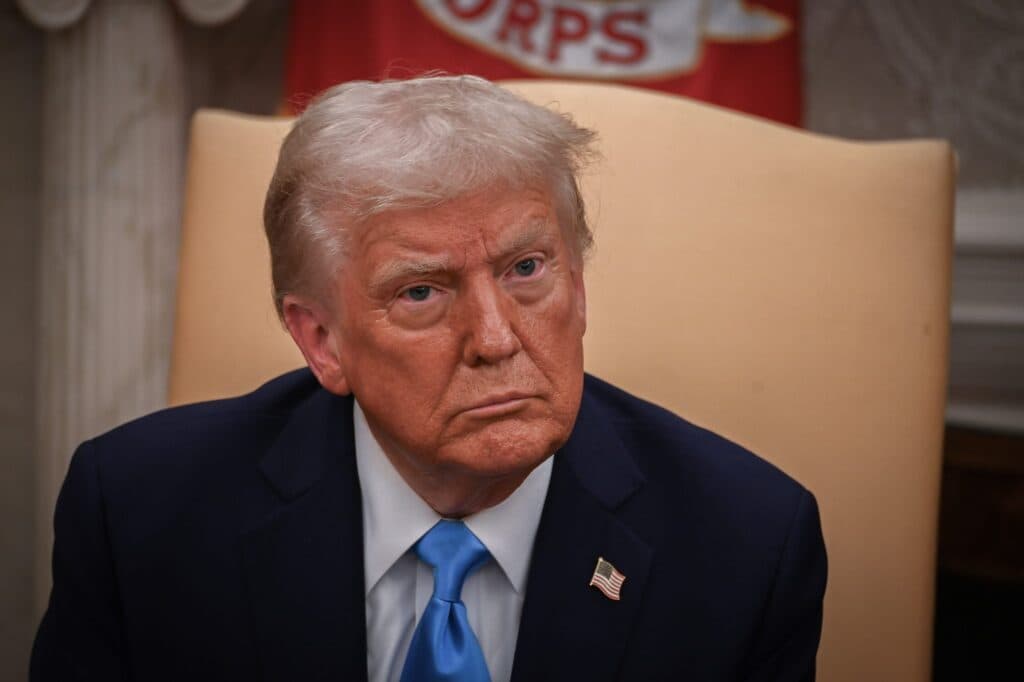
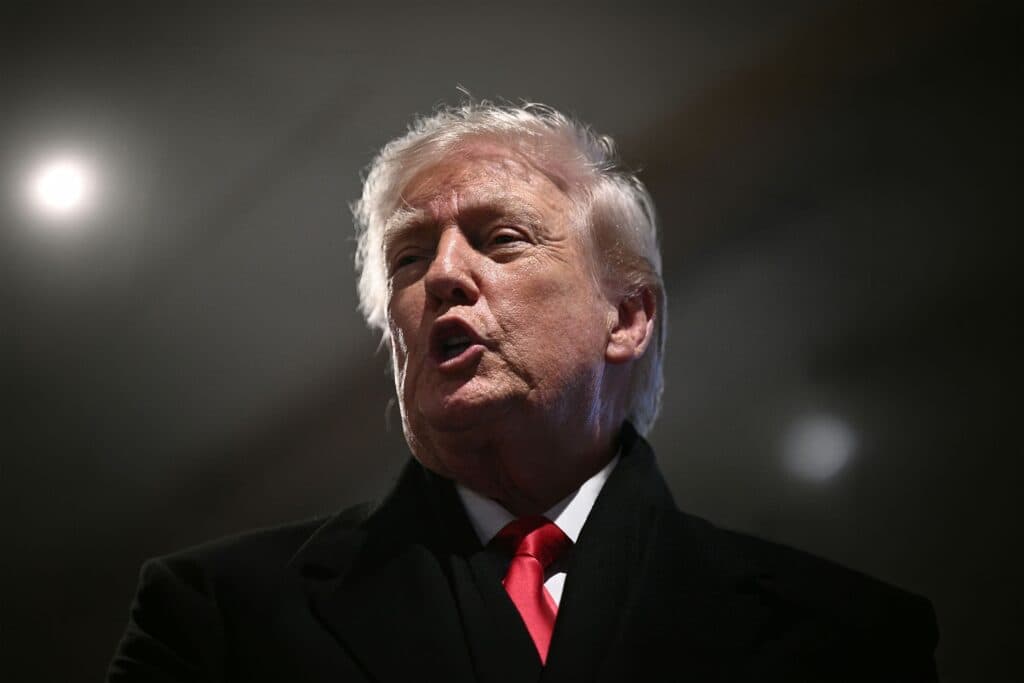
Trump warns Iran that Washington’s patience is running out as the confrontation over the Strait of Hormuz intensifies. Speaking at a campaign rally in Alaska on Tuesday night, President Donald Trump signaled that further U.S. action could be coming against Tehran. His remarks came hours before U.S. Central Command publicly rejected Iran’s claim that it controls the strategic waterway.
“Wait until you see what we do to Iran. We are going to deal it a heavy blow,” Trump said, according to reports of his remarks. “We’ve pretty much reached the end of our patience. You know, we’ve had enough already.” Other recordings of the rally captured Trump saying the United States would “do a number” on Iran and had “sort of had it.”
Proverbs 21:31 says, “The horse is prepared against the day of battle: but safety is of the Lord.” The verse places military readiness beside a reminder that power carries responsibility. That tension now defines the confrontation around Hormuz, where deterrence, energy security and the risk of escalation are colliding.
Trump Warns Iran as Hormuz Dispute Escalates
Trump’s comments came as Iranian forces increased pressure on commercial shipping around the Strait of Hormuz. Reuters reported Wednesday that Tehran has adopted new tactics against vessels and seeks to enforce a near-complete closure of the waterway. Iranian operations have also expanded toward the Gulf of Oman and waters near Qatar and the UAE.
The Strait of Hormuz remains one of the world’s most important energy corridors. Recent attacks have driven up shipping risks and oil prices, while tanker companies have adjusted routes and operations. Brent crude traded above $105 on Wednesday as markets reacted to maritime attacks and broader regional instability.
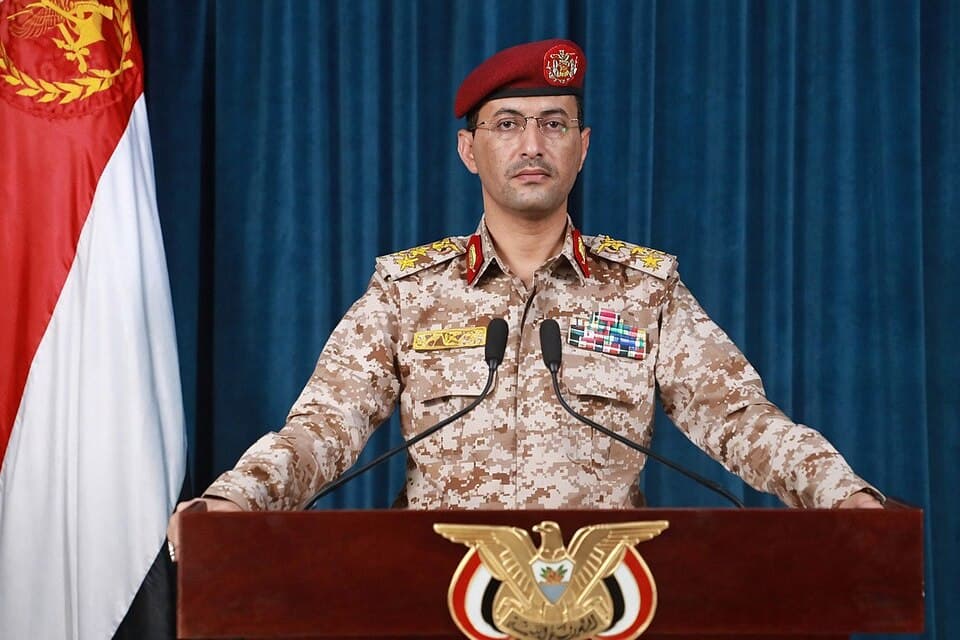
Iran’s IRGC Navy commander Ali Azmaei has claimed that Tehran controls the strait. He also threatened that approaching American warships would be sunk. CENTCOM responded directly on Tuesday night and rejected both the claim of control and Iran’s portrayal of American weakness.
“IRGC’s navy commander has no navy,” CENTCOM said. “American forces and regional partners clearly control the Strait of Hormuz.” The command added that U.S. forces had helped Gulf partners move more than 19 million barrels of crude through the strait the previous day.
CENTCOM Answers Iran’s ‘Fuel Smuggler’ Taunt
The unusually blunt American response follows another round of Iranian rhetoric against U.S. operations. In “U.S. Hormuz Operations: IRGC Calls America a ‘Fuel Smuggler,’” Azmaei mocked Washington for using aircraft and drones to protect tanker movements. He portrayed those operations as evidence of American “humiliation” and “desperation.”
a
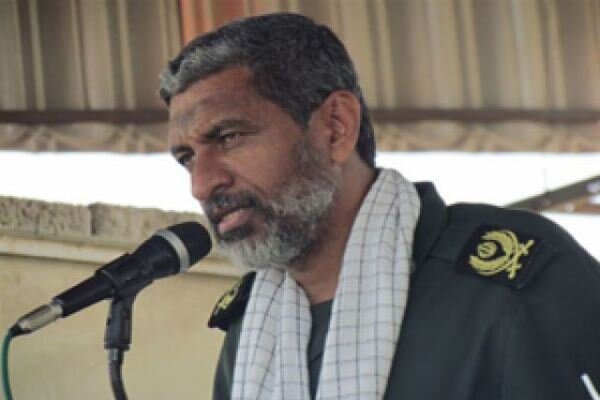
CENTCOM’s latest statement turns that argument around. Instead of denying that American forces assist commercial shipping, the command cited the volume of oil moved under U.S. and partner protection as evidence of operational control. Gulf News noted that the 19-million-barrel figure came directly from CENTCOM and referred to crude moved through the strait on Monday.
Still, the situation remains dangerous. Continued oil movement does not mean commercial shipping faces no disruption. Recent vessel attacks and reduced traffic have forced insurers, crews and tanker operators to account for serious wartime risks. Iran’s ability to threaten vessels therefore remains significant even as Washington rejects Tehran’s claim of complete control.
Trump’s rally remarks add another layer of uncertainty. He did not specify what action he was considering. Earlier Tuesday, he said Washington would make a decision on Iran “very soon,” while continuing to emphasize preventing Tehran from obtaining a nuclear weapon.
The confrontation matters directly to Israel. Iran remains Israel’s principal regional adversary, while control of Hormuz gives Tehran potential leverage over energy markets and Gulf states that cooperate with Washington. Israeli security also depends heavily on American deterrence remaining credible across the region.
The United States faces its own broader test. Hormuz is not simply an American-Iranian battlefield. It is an international trade route carrying energy for countries across Asia, Europe and the wider global economy. Washington therefore presents its military presence as protecting freedom of navigation rather than merely defending American shipping.
Deterrence, Covenant and the Duty to Defend
America’s covenantal mission before God has developed around ordered liberty, the defense of the nation and the protection of a free international system. In Hormuz, that responsibility involves defending American forces while preserving access to a waterway vital to global commerce. Strength matters, but so does using that strength in a way that protects allies and prevents coercive control of international routes.
Israel’s covenantal mission is distinct and rooted in the preservation of Jewish sovereignty in the ancestral homeland. Tehran’s military threats, nuclear ambitions and regional network have made deterrence an existential question for the Jewish state. A capable United States therefore remains strategically important to Israel’s ability to withstand threats that extend far beyond its borders.
The dispute over who “controls” Hormuz will not be settled by rhetoric alone. Iran can threaten ships and impose significant costs. CENTCOM can point to continued tanker movements and extensive American military power.
Trump has now added a direct political warning to that military contest. Whether it leads to new U.S. action remains unclear, but Washington and Tehran are signaling that their confrontation is moving into another dangerous phase.
For more stories on Israel, faith, and the values behind the headlines, follow Sinai on Facebook and Instagram.
Discussion0
No comments yet — be the first to share your thoughts.