IDF Election Readiness Raised Ahead of Vote
The IDF is imposing a leave ban, reinforcing Central Command and increasing senior command presence as Israel prepares for the October 27 election
Sinai Desk
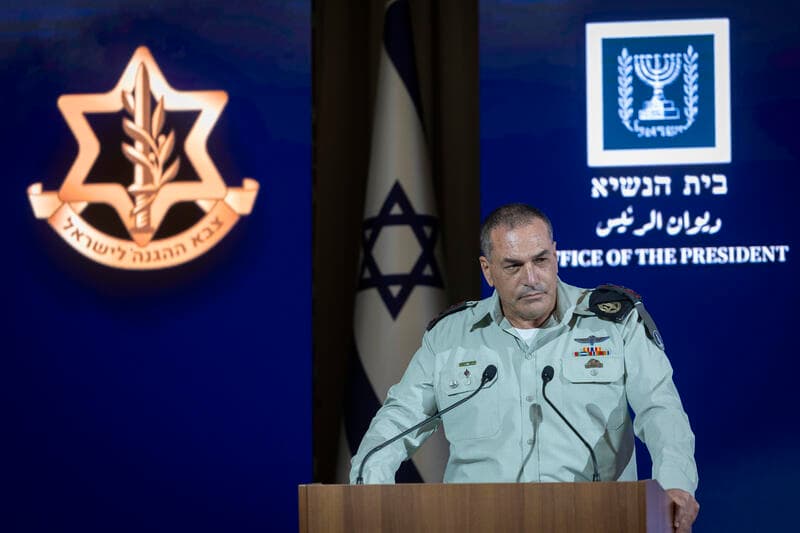
IDF election readiness is being raised ahead of Israel’s October 27 national vote. Chief of Staff Lt. Gen. Eyal Zamir ordered several additional measures following a military situational assessment. The steps include a leave ban, added forces and a stronger command presence across key sectors.
The IDF said the leave ban will begin this Thursday and remain subject to ongoing assessments. Senior commanders will also increase their presence at command centers, headquarters and operational units. The measures aim to maintain immediate readiness throughout the politically sensitive period.
Psalm 121:4 declares, “Behold, he that keepeth Israel shall neither slumber nor sleep.” In a modern military context, vigilance carries a practical meaning. Israel’s enemies have repeatedly searched for moments of distraction or vulnerability, making preparedness itself part of national defense.
IDF Election Readiness Expands Across Commands
Central Command will receive substantial reinforcement under the new instructions. The IDF will deploy forces from the Paratroopers Brigade headquarters alongside additional troops. The brigade headquarters will operate as a mission-oriented command between Samaria and Binyamin.
The military will also allocate additional forces elsewhere according to operational needs. Those preparations cover the air, maritime and ground arenas. The aim is to preserve flexibility if conditions change quickly on any front.
The announcement follows reporting that Zamir ordered troops to remain on duty during the October 27 election period. Israeli defense officials have been assessing the possibility of escalation involving Iran or one of its regional proxies. However, reporting on Sunday said officials had no concrete intelligence showing that Iran or Hezbollah had decided to attack during the election.
That distinction matters. Increased readiness does not itself mean the IDF expects an imminent attack. It shows that military commanders do not intend to allow the election, troop movements or political activity to create an exploitable security gap.
The army is also preparing extensively for soldiers to vote without disrupting operations. At least 850 military polling stations are planned, including mobile stations for troops in remote locations and active operational areas. Around 3,000 soldiers will staff the military voting system.
Security Remains Central to Israel’s Election
The military preparations come as national security dominates Israel’s first Knesset election since the October 7 massacre. Gaza, Iran, Hezbollah and Judea and Samaria remain central issues in the political debate. Israel has also spent the past three years confronting threats across several fronts.
That wider debate is reflected in “Otzma Yehudit Platform: Four Security Priorities.” The party laid out its positions on defeating Hamas, confronting Hezbollah, Judea and Samaria, and destroying Iran’s nuclear program. The new IDF measures show that election-season security is not limited to campaign platforms. Operational commanders are also planning around the possibility of sudden regional developments.
The increased presence in Central Command is particularly significant. Judea and Samaria remain geographically close to Israel’s major population centers. The IDF has reinforced command structures there during 2026 as it responds to changing operational requirements. A Paratroopers Division headquarters was activated in the sector in September to strengthen command and operational capabilities.
Israel’s election itself also creates an unusual military challenge. Large numbers of soldiers remain deployed far from home, including at positions outside Israel’s prewar lines. The IDF therefore has to protect several active fronts while also allowing troops to exercise their right to vote.
Vigilance, Sovereignty and the Duty to Guard
Israel’s covenantal mission before God carries a specific obligation to safeguard Jewish life and preserve sovereignty in the ancestral homeland. October 7 demonstrated the devastating price of allowing assumptions about deterrence to replace constant readiness. A democratic election cannot become a period in which national defense slows down.
America’s covenantal tradition developed through a different national history, but it also connects liberty with the defense of constitutional government. Washington has a strategic interest in Israel remaining stable and militarily prepared while citizens choose their next government. Regional adversaries gaining leverage through political disruption would affect both Israeli security and broader American interests in the Middle East.
The military’s role, however, remains distinct from the political contest itself. The IDF has said its election operations will remain nonpartisan while helping soldiers vote and protecting operational continuity.
That separation is essential. Israelis will decide the country’s political direction at the ballot box. The IDF’s responsibility is to ensure that enemies cannot use that democratic process as an opportunity to challenge the country’s security.
For more stories on Israel, faith, and the values behind the headlines, follow Sinai on Facebook and Instagram.
Discussion0
No comments yet — be the first to share your thoughts.