Syria Terror List Removal Raises Israel Security Concerns
The U.S. is moving toward Syria terror list removal, raising questions about Rubio’s assessment, Syria’s new leadership, and Israel’s security concerns

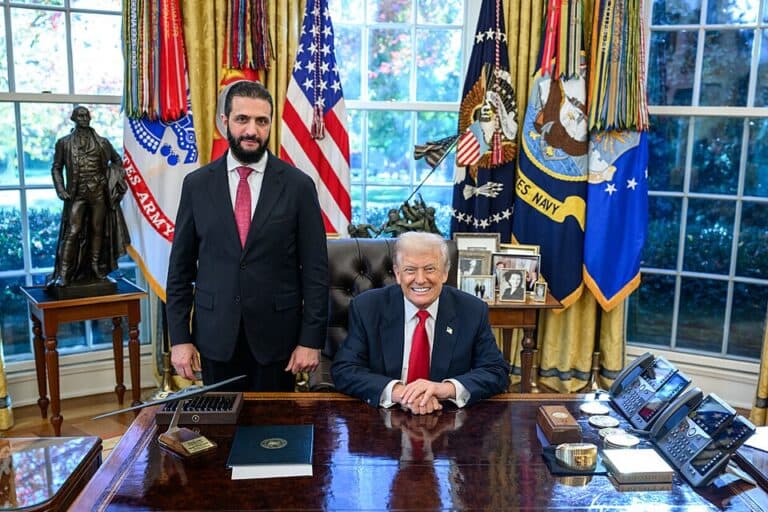
Syria terror list removal is moving forward, according to a report from The Cradle, which said the United States is preparing to remove Syria from its state sponsor of terrorism list.
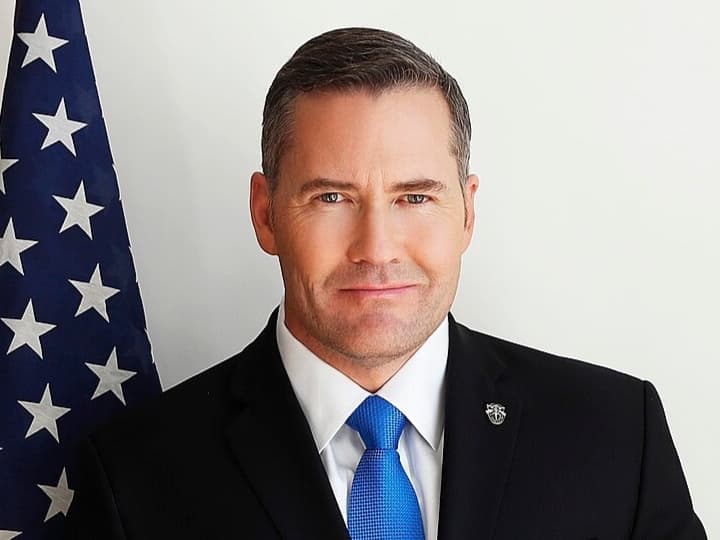
The report said a State Department official stated that Secretary of State Marco Rubio had “assessed” that Syria met Washington’s requirements. The Cradle framed the move as controversial, saying it comes despite sectarian killings and alleged government ties to ISIS.
The official U.S. process began earlier, when President Donald Trump informed Congress of his intent to rescind Syria’s designation. The State Department said the move followed counterterrorism actions by Syria’s new government and formal assurances from Syrian President Ahmed al-Sharaa that Damascus would not support terrorism in the future.
Proverbs warns, “The simple believeth every word, but the prudent man looketh well to his going.” That warning fits this moment. Washington may see an opening in Damascus, but Israel must judge Syria by conduct, borders, weapons, and the forces taking shape on the ground.
Syria Terror List Removal
Syria has been listed by the United States as a state sponsor of terrorism since 1979. The designation brought major restrictions on aid, defense exports, finance, and other forms of engagement.
Removing that label would mark a major shift in U.S. policy. It could open the door to investment, reconstruction, and a more direct American role in Syria’s future.
Supporters of the move argue that Syria’s new leadership has broken with the Assad era and now cooperates against ISIS. Congressional research also notes that Syria’s transitional government has formally joined the U.S.-led coalition against ISIS and has conducted operations against Islamic State targets.
However, the same picture remains deeply complicated. Syria’s new leadership includes figures with former jihadist ties who say they have renounced those affiliations. Reports of sectarian violence, abuse, and instability continue to raise serious questions about whether the new government can protect minorities and restrain extremist elements.
Israel’s Syria Question
The Syria file is not only about sanctions. It is also about Israel’s northern and northeastern security map.
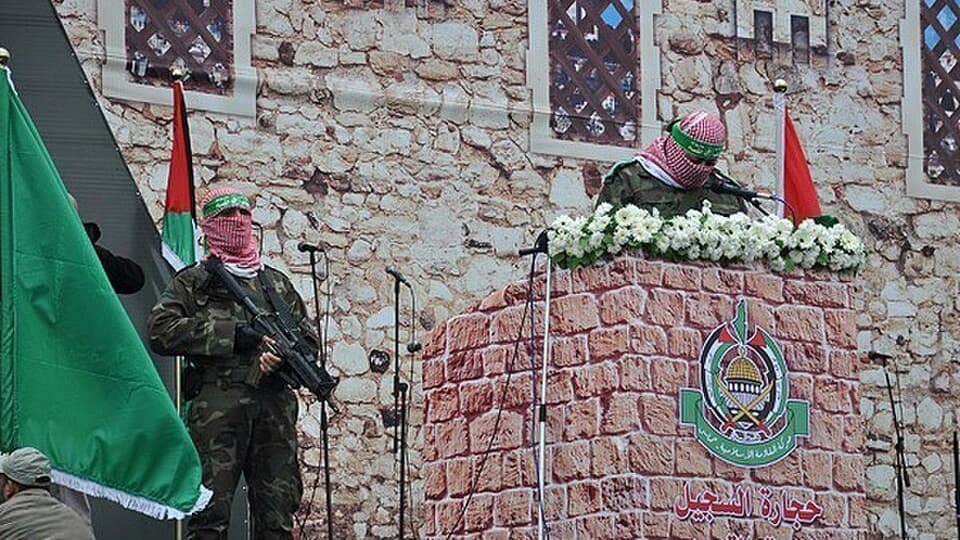
Israeli officials have warned that Syria’s new rulers still carry Islamist militant roots. Jerusalem also watches Turkish influence in Syria with growing concern. The recent Israeli strike at Abu al-Duhur airbase showed how quickly these concerns can become military action.
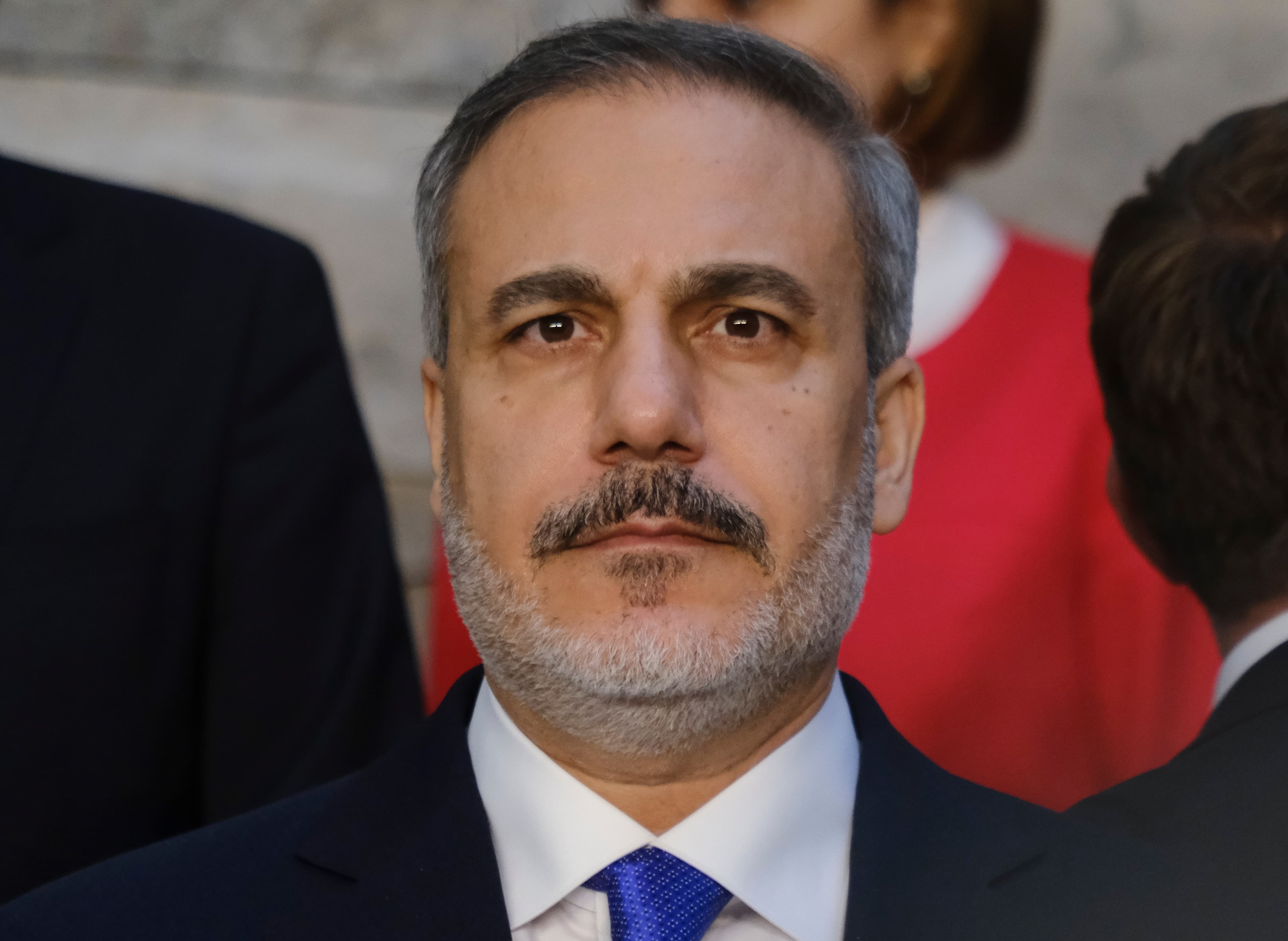
The same tension ran through “Gofman-Shaibani Meeting In Jordan Seeks To Ease Syria Tensions.” That article reported Barak Ravid’s claim that Mossad Director Roman Gofman met Syrian Foreign Minister Asaad al-Shaibani in Jordan after the Abu al-Duhur strike.
That reported meeting shows the contradiction in the current moment. Israel may need quiet channels with Syria, but it also cannot ignore who controls military sites, who enters Syrian bases, and whether Damascus keeps its commitments.
If Washington removes Syria from the terror list too quickly, it could reduce leverage before Syria proves that it can prevent threats to Israel, protect minorities, and cut off extremist networks.
Washington’s Gamble
The Trump administration appears to be betting that engagement can pull Syria away from Iran, stabilize the country, and create space for security understandings with Israel.
That goal is not irrational. A Syria that moves away from Tehran and limits hostile forces could serve American and Israeli interests. It could also weaken Iran’s regional corridor and reduce Hezbollah’s room to maneuver.
The danger lies in rewarding promises before testing behavior. Syria’s formal assurances matter, but they are not the same as durable security. Israel’s experience teaches that written commitments mean little if hostile infrastructure grows quietly across the border.
Rubio’s assessment may reflect a strategic calculation. Yet Congress and Israel’s allies will likely keep asking hard questions: Has Syria truly stopped supporting terror? Can it protect minorities? Will it prevent ISIS, al-Qaeda-linked networks, Hezbollah, Iran, or Turkey-backed forces from turning Syria into a launchpad?
Covenant Of Vigilance Before Recognition
The United States and Israel carry separate covenantal missions before God, and both face a test when enemies or former enemies ask for recognition. America’s calling requires using power and diplomacy to shape a more stable order. Israel’s calling requires guarding Jewish life when diplomatic optimism collides with hostile geography.
Those missions can meet in Syria, but only if recognition follows truth.
A Syria that restrains terror, respects minorities, and blocks Iran’s return would deserve a different conversation. A Syria that receives legitimacy while dangerous networks remain active would become another warning ignored.
The terror list debate is therefore not paperwork. It is a question of trust, leverage, and whether Washington can separate a strategic opening from wishful thinking.
Israel will measure Syria by actions. If Damascus wants legitimacy, it must prove that its territory will not become a staging ground against the Jewish state or a shelter for extremists.
For more stories on Israel, faith, and the values behind the headlines, follow Sinai on Facebook and Instagram.
Discussion0
No comments yet — be the first to share your thoughts.