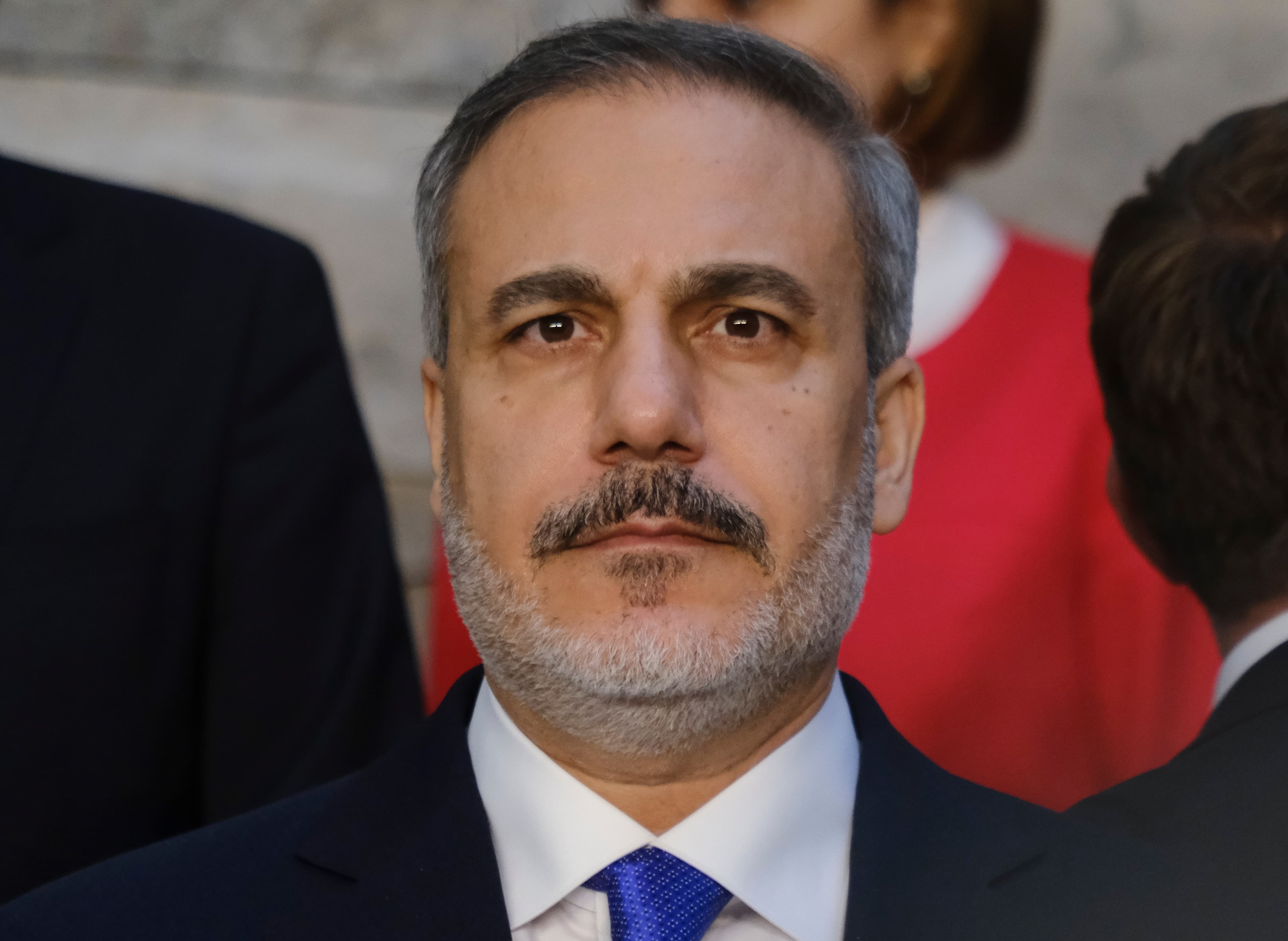
France 2027 Election: Le Pen Leads as Right Gains Ground
Marine Le Pen leads France’s 2027 presidential polling as the political center weakens and voters shift toward candidates on the right and left
Sinai Desk
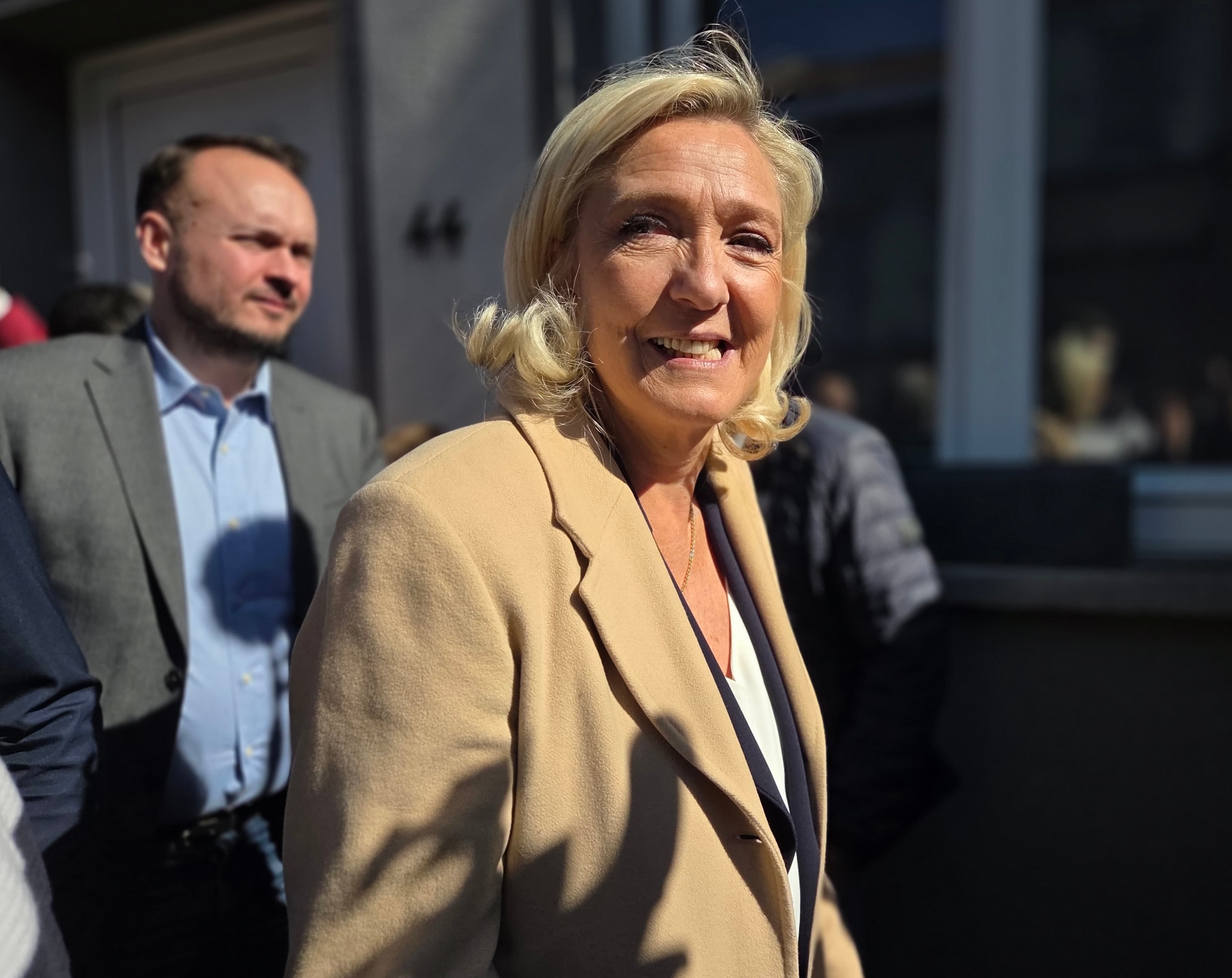
The France 2027 election is taking shape around a striking shift in the country’s political balance. Marine Le Pen now holds a substantial first-round polling lead as President Emmanuel Macron approaches the end of his second and final term. The latest survey also places her ahead in both second-round matchups that pollsters tested.
A Toluna Harris Interactive survey conducted October 5 to 8 gives Le Pen between 35% and 37% across five first-round scenarios. Jean-Luc Mélenchon follows with 18% to 19%. Former prime minister Édouard Philippe reaches as high as 17% when tested as the principal centrist candidate.
The same poll tested two hypothetical runoffs. Le Pen led Mélenchon by 67% to 33% and Philippe by 56% to 44%. Those figures measure current voting intentions, not the outcome of an election still months away. Polling can change as campaigns develop, candidates consolidate support and voters make final decisions.
Deuteronomy 1:13 calls on the people to choose “wise, understanding, and experienced men” as leaders. The verse places responsibility on citizens as well as those seeking power. France now approaches a consequential choice that could reshape not only its domestic politics, but also its role in Europe and the wider Western alliance.
France 2027 Election Shows a Weakened Center
The latest poll marks a significant departure from the political structure that brought Macron to power in 2017. Reuters reports that Le Pen and Mélenchon would reach the runoff in every scenario tested by Toluna Harris. The result reflects growing polarization as Macron’s centrist era draws to a close.
Le Pen’s National Rally occupies the right of French politics and is widely described by Reuters and other mainstream outlets as far-right. Her current platform combines tighter immigration controls with large spending reductions and a stronger emphasis on French sovereignty. She has proposed €140 billion in net savings by 2032 and limiting France’s net annual contribution to the European Union.
She has also called for France to leave NATO’s integrated military command while remaining within the alliance. Le Pen argues that the current structure leaves Paris too dependent on decisions made in Washington. French Foreign Minister Jean-Noël Barrot has criticized that proposal as irresponsible.
Her candidacy also survived a major legal obstacle this summer. A French appeals court upheld her conviction over misuse of European Parliament funds but reduced the period of ineligibility. The ruling allows her to contest the 2027 presidential election, although further legal proceedings remain possible.
France’s political shift comes during a period of economic strain and public unrest. The country faces high borrowing costs, heavy public debt and pressure over government spending. Reuters has noted that those conditions are helping candidates outside the traditional center gain support.
That pressure was visible in “France Student Protests Draw 256,000 as Iran Summons Envoy,” where hundreds of thousands joined demonstrations over conditions in French schools. The unrest illustrated how dissatisfaction with public services and government policy has moved from parliament into the streets. That broader frustration now forms part of the political environment surrounding the presidential race.
A French Shift Could Reach Israel and Washington
France matters far beyond its own borders. It is one of the European Union’s most influential states and holds a permanent seat on the UN Security Council. A major political realignment in Paris would therefore affect European debates over migration, defense, economic sovereignty and foreign policy.
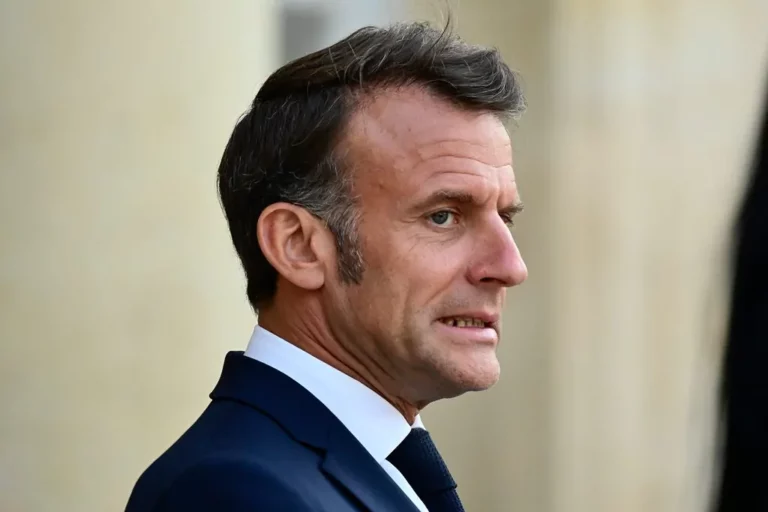
Israel has particular reasons to watch the election. Macron’s government formally recognized a Palestinian state and has placed the two-state solution at the center of French Middle East diplomacy. In September, Macron also sharply criticized President Donald Trump’s Gaza policy during his final UN address.
National Rally has pursued a different relationship with Israel in recent years. Reuters reports that the party has worked to build closer Israeli ties while trying to distance itself from the antisemitic legacy associated with its founder, Jean-Marie Le Pen. That effort remains contested, particularly following allegations against party president Jordan Bardella, which Bardella denies and has challenged through legal action.
That history makes the relationship more complicated than a simple left-right divide. Israeli policymakers would have to judge any future French government by its actual positions on antisemitism, Hamas, Iran, Palestinian statehood and bilateral security. Polling strength alone does not answer those questions.
Washington faces another set of considerations. Le Pen’s skepticism toward NATO’s integrated command could create friction with American defense policy even if other areas produced greater political alignment. A French government more focused on national sovereignty could also alter the balance inside EU institutions on trade, borders and relations with Washington.
The emerging picture is therefore not simply that France is “moving right.” The political center that dominated the Macron years has weakened, while both Le Pen on the right and Mélenchon on the left have gained ground. The latest polling currently gives Le Pen the strongest position, but French voters will determine whether that advantage survives until election day.
Leadership, Sovereignty and Covenant Responsibility
Israel’s covenantal mission before God requires the Jewish state to preserve sovereignty, protect Jewish life and judge foreign partnerships with moral clarity. Political changes in a country as influential as France can affect Israel at the UN, inside Europe and across the Mediterranean. Jerusalem therefore has reason to assess France’s changing politics carefully rather than through partisan labels alone.
America’s covenantal tradition developed through representative government, individual liberty and responsibility before law. Those principles also require respecting the choices of other democratic peoples. At the same time, Washington must protect alliances and strategic interests when another major Western power considers changing its relationship with NATO and the European Union.
France now sits at an important political crossroads. The newest polls show Le Pen leading decisively, while Mélenchon has strengthened enough to displace centrist candidates from the runoff in current scenarios. Philippe remains a major contender, but the center no longer commands French politics as it did at the start of the Macron era.
If that pattern holds, France could enter 2027 with a presidential contest between competing visions of sovereignty, Europe and national identity. That would have consequences well beyond Paris, including for the United States, Israel and the future balance of power inside Europe.
For more stories on Israel, faith, and the values behind the headlines, follow Sinai on Facebook and Instagram.
Discussion0
No comments yet — be the first to share your thoughts.