Gofman-Shaibani Meeting In Jordan Seeks To Ease Syria Tensions
Barak Ravid reported that Mossad Director Roman Gofman met Syrian Foreign Minister Asaad al-Shaibani in Jordan after the Abu al-Duhur strike

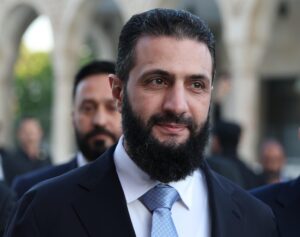
The Gofman-Shaibani meeting in Jordan reportedly took place Sunday as Israel and Syria worked to reduce tensions after the Israeli strike at Abu al-Duhur airport in Idlib.
Journalist Barak Ravid reported that Mossad Director Roman Gofman met Syrian Foreign Minister Asaad al-Shaibani in Jordan. According to Ravid, the meeting was successful.
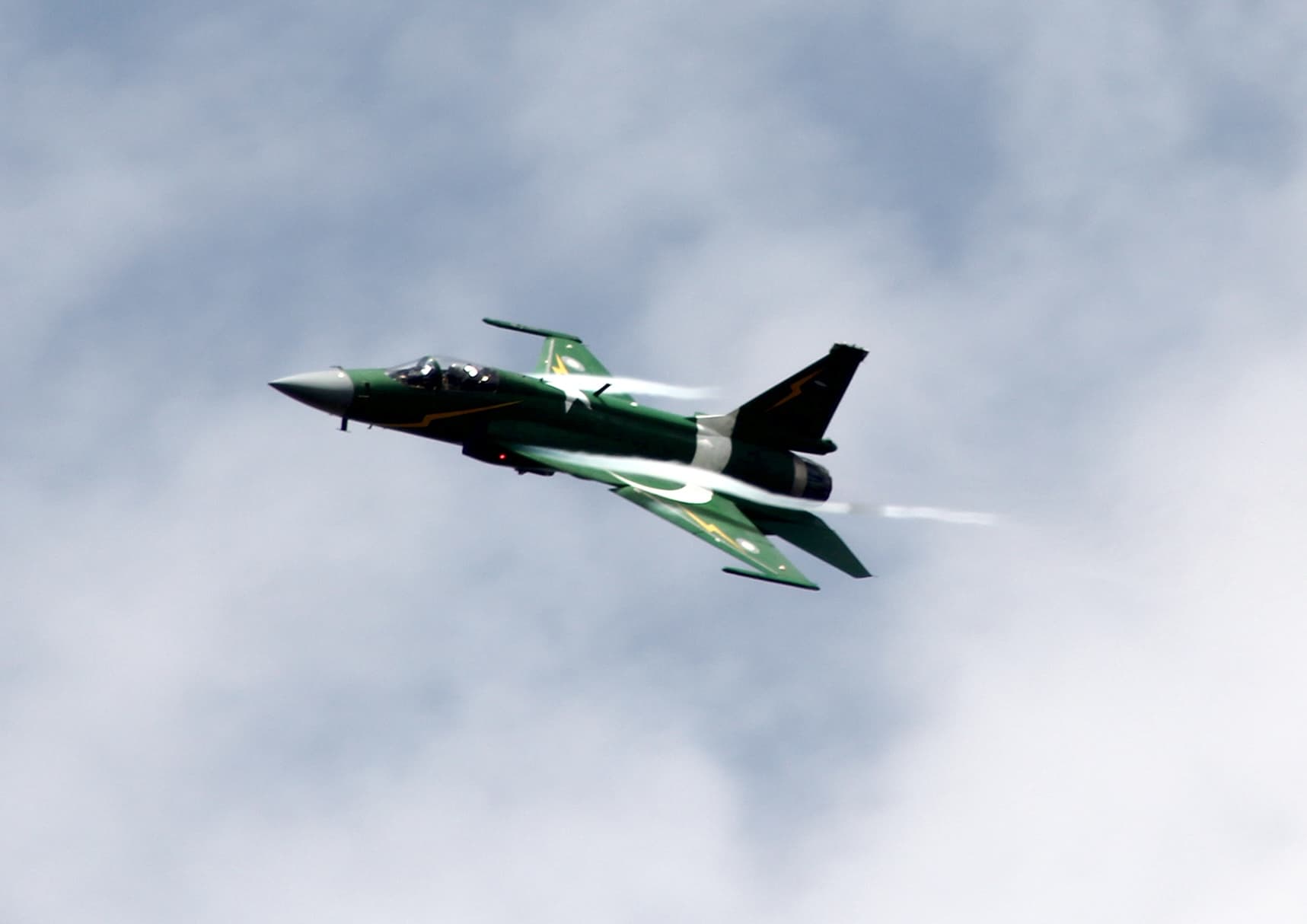
The reported meeting came only days after Israel struck the Abu al-Duhur airbase in northern Syria. The strike raised tensions between Jerusalem, Damascus, and Ankara over possible Turkish military activity near the site.
Proverbs says, “A soft answer turneth away wrath, but grievous words stir up anger.” In this case, the “soft answer” is not weakness. It is a quiet channel between enemies after military force has already delivered its warning.
Gofman-Shaibani Meeting
The reported Jordan meeting marks one of the most direct high-level contacts between Israel and Syria’s new leadership.
Gofman heads Israel’s Mossad, the intelligence agency often tasked with secret diplomacy, security contacts, and strategic channels in hostile or unstable arenas. Shaibani serves as Syria’s foreign minister under the new Damascus leadership.
That pairing matters. This was not public diplomacy for cameras. It was security diplomacy after a strike that could have expanded into a larger confrontation.
Reuters had already reported that Gofman and Shaibani spoke earlier about Turkish military deployments before the Abu al-Duhur strike. The new reported meeting suggests both sides still see value in maintaining a channel, even amid deep mistrust.
Abu Al-Duhur Fallout
The meeting follows “Abu Al-Thuhur Strikes Raise Turkey-Israel Questions.” That article dealt with Syrian media reports about strikes on the Abu al-Duhur airfield in Idlib, as Turkey seeks deeper military influence in Syria.
The site matters because Israel views any Turkish-backed military foothold in Syria through a security lens. Syria and Turkey have rejected parts of Israel’s argument, saying Damascus has the right to rebuild its military institutions.
Israel’s position is different. Jerusalem says Syria was close to violating a security status quo by allowing Turkish forces near a sensitive airbase. The Prime Minister’s Office warned that Israel would not tolerate threats to its security.
That is why a meeting in Jordan matters. Jordan has long played a quiet role in regional security coordination. It borders both Israel and Syria and has a direct interest in preventing Syrian instability from spilling wider.
Quiet Channels After A Strike
For the United States, this kind of contact helps prevent a dangerous triangle from becoming a regional crisis. Turkey is a NATO member. Israel is America’s closest Middle Eastern ally. Syria’s new government remains fragile and heavily watched by Washington.
If Israel and Syria can communicate through intelligence and diplomatic channels, the chance of miscalculation falls. That does not erase the security problem. However, it gives both sides a way to clarify red lines before missiles and aircraft set the next stage.
For Israel, the goal is not symbolic dialogue. It is deterrence with control. Jerusalem wants to stop hostile military infrastructure from forming near its borders without triggering unnecessary escalation with Syria or Turkey.
For Syria, the reported meeting gives Damascus a way to argue its case directly. Shaibani has said Syria remains interested in an agreement with Israel to reduce escalation, while also accusing Israel of retreating from commitments.
Covenant Of Guarded Counsel
The United States and Israel carry separate covenantal missions before God, and this story sits between counsel and deterrence. America’s mission requires using influence to prevent regional fires from spreading between allies, rivals, and unstable states. Israel’s mission requires guarding Jewish life when hostile forces, foreign armies, or terror-aligned actors begin shaping the battlefield across its borders.
Those missions do not demand blind trust. They demand judgment.
A quiet meeting in Jordan cannot solve the Syria file. It cannot erase Turkey’s ambitions, Syria’s instability, or Israel’s need to act when danger forms. Still, it can create a narrow space where messages replace assumptions and warnings reach the right ears.
Ravid’s report that the meeting went well suggests both sides may prefer containment over escalation, at least for now.
The test will come on the ground. If Syria respects Israeli security lines, the channel may grow. If Turkish-backed activity resumes near sensitive bases, Israel’s next message may again come through the air.
For more stories on Israel, faith, and the values behind the headlines, follow Sinai on Facebook and Instagram.
Discussion0
No comments yet — be the first to share your thoughts.