Riyadh Airport Closure Extended to October 17
Riyadh’s King Khalid International Airport will remain closed through October 17 after deadly Houthi attacks disrupted Gulf aviation and global airlines
Sinai Desk
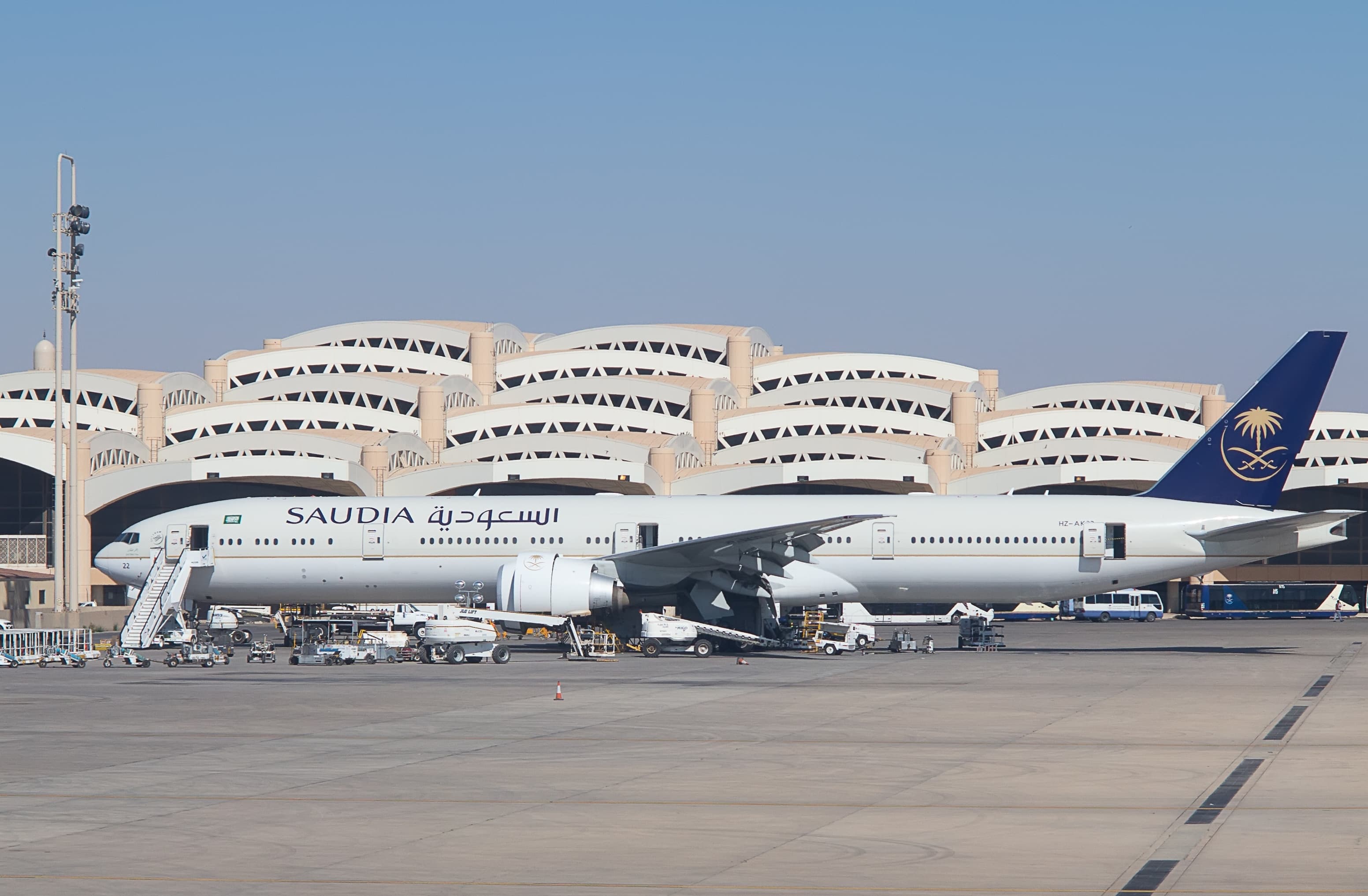
The Riyadh airport closure will remain in effect until October 17 after deadly Houthi attacks struck Saudi Arabia’s main aviation hub. King Khalid International Airport has remained largely shut since October 10, forcing airlines to cancel or reroute flights across the region.
The airport closed after an attack killed 13 people and injured more than 300. Another strike followed on October 11, killing one more person and injuring nearly a dozen. Saudi Arabia and regional partners have blamed Yemen’s Iran-aligned Houthis for the attacks.
Psalm 121:8 says, “The Lord shall guard thy going out and thy coming in.” For millions who depend on modern aviation, safe movement can feel routine until war reaches an airport. The attacks on Riyadh show how quickly regional conflict can disrupt civilian travel, commerce and everyday life.
Riyadh Airport Closure Disrupts Global Airlines
A Notice to Airmen says King Khalid International Airport will remain closed through October 17. The airport is Saudi Arabia’s second-busiest aviation hub and a central gateway to the capital.
Major international carriers have already changed their schedules. Lufthansa canceled Riyadh services through October 16, while Air France-KLM extended suspensions through the end of the month. Etihad, Air India, IndiGo and Gulf Air have also canceled or delayed flights. Delta postponed the launch of its planned Atlanta-Riyadh service until March 2027.
American and European aviation authorities have also issued warnings. The U.S. Federal Aviation Administration advised American carriers to exercise caution in Saudi airspace. The agency cited military activity and navigation interference as threats to aircraft during overflight, arrival and departure.
The disruptions now reach beyond passenger inconvenience. Riyadh is preparing to host major business and energy events, yet some international executives have already withdrawn. The CEOs of ExxonMobil, Chevron, BP, Shell and TotalEnergies disappeared from the agenda of a major energy gathering after the attacks.
Houthi Attacks Hit Saudi Arabia’s Economic Hub
The strikes come as Saudi Arabia again confronts the Houthis after years of reduced fighting in Yemen. The Iran-aligned movement has renewed missile and drone attacks against Saudi infrastructure while fighting intensifies around strategic areas in Yemen.
The latest escalation has drawn Turkey, Pakistan and Egypt more closely behind Riyadh. Those countries joined Saudi Arabia in condemning the airport attacks as a “dangerous escalation.” Turkey and Pakistan also have collective-defense commitments with Saudi Arabia through the Mecca defense framework.
The closure carries economic significance because Saudi Arabia has invested heavily in making Riyadh a global business and tourism center. Crown Prince Mohammed bin Salman’s Vision 2030 strategy depends on attracting foreign investment and expanding sectors beyond oil. Sustained attacks on airports and infrastructure could make that transformation more difficult.
The pressure also reaches energy markets. Oil prices rose after the latest attacks as investors reassessed risks across the Gulf. Brent crude climbed above $106 per barrel amid renewed concerns about Saudi infrastructure and tanker security around Hormuz.
Saudi Arabia is therefore facing two related threats. Iranian pressure around the Strait of Hormuz has disrupted maritime trade, while the Houthis can threaten aviation and infrastructure from Yemen. Together, those fronts increase the cost of regional instability far beyond the battlefield itself.
That pattern also appeared in “Dubai Airport Traffic Plunges 31% Amid Iran War.” Dubai International Airport recorded a 31.3% drop in first-half passenger traffic after the Iran conflict disrupted Gulf aviation. Riyadh’s complete closure now shows an even more direct security threat to regional air travel.
Gulf Aviation Becomes Another Front
The Riyadh attacks matter to Israel because they demonstrate the expanding reach of Iran-aligned forces. The Houthis have already used missiles and drones against Israel and commercial shipping. Their ability to strike a major Saudi civilian airport adds another dimension to the regional security challenge.

Washington has similar concerns. The United States relies on stable Gulf aviation, energy flows and relationships with Saudi Arabia and other regional partners. The FAA warning shows that the conflict now affects American aviation policy directly.
The attacks also complicate efforts to build a more connected Middle East. Regional normalization, tourism and trade depend on predictable transport links. Civilian airports becoming military targets works against that vision, regardless of which country suffers the attack.
Keeping the Region Open and Secure
Israel’s covenantal mission before God includes protecting life and preserving the conditions needed for Jewish sovereignty to endure. That responsibility increasingly involves confronting threats that extend through missiles, drones, shipping routes and regional infrastructure.
America’s covenantal tradition developed through a different history, but freedom of movement and secure commerce remain central to its international role. Protecting civilian aviation and supporting allies against missile attacks fit directly within that broader responsibility.
The Riyadh airport closure is therefore more than a travel disruption. It shows how a regional war can reach directly into civilian transportation and economic life.
Until October 17, one of the Gulf’s most important airports will remain largely silent. What happens after that date will depend not only on repairs and airline schedules, but on whether Saudi Arabia can restore confidence that its skies are secure.
For more stories on Israel, faith, and the values behind the headlines, follow Sinai on Facebook and Instagram.
Discussion0
No comments yet — be the first to share your thoughts.