Syria Terror List Removal Becomes Official
The United States officially removed Syria from the state sponsor of terrorism list, giving Ahmed al-Sharaa a major diplomatic win while Israel watches the security implications closely

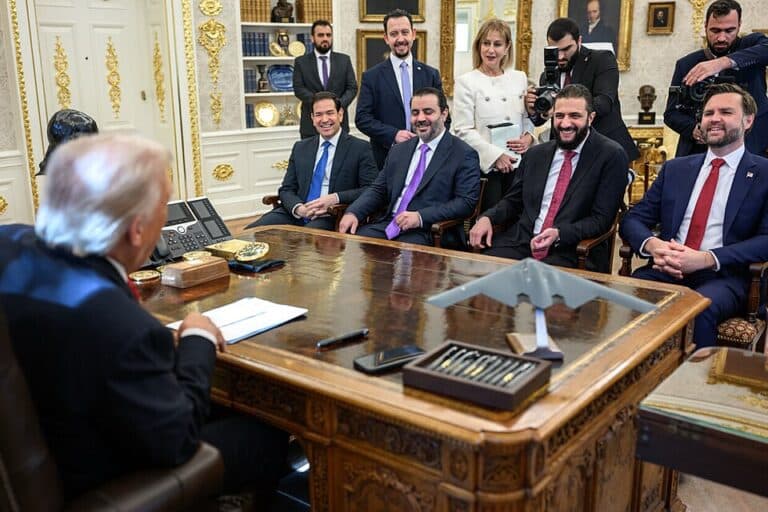
Syria terror list removal became official Monday, as the United States removed Damascus from its list of state sponsors of terrorism. The move ends a designation Syria had held since 1979 and marks one of the most significant steps yet in Washington’s effort to bring Syria’s new government back into the international system.
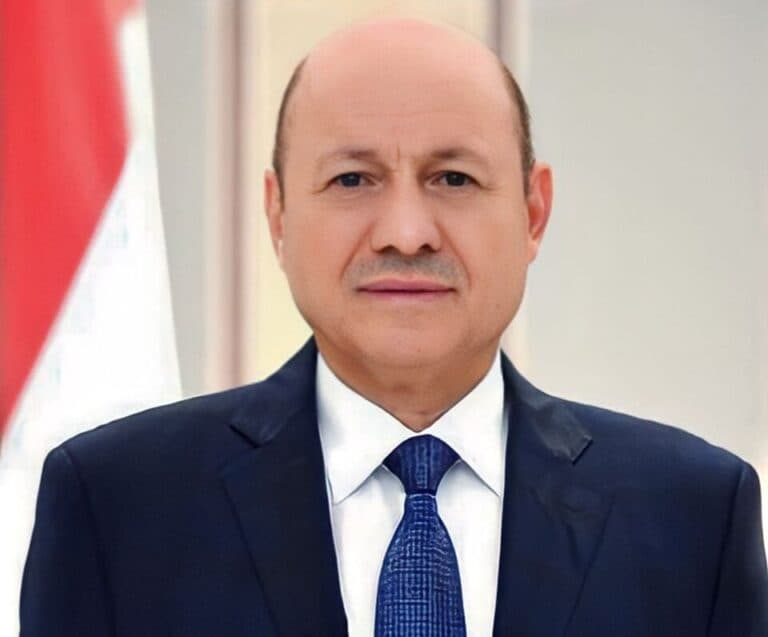
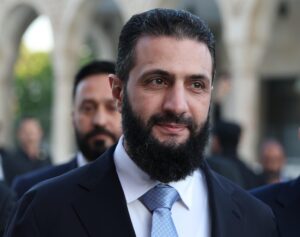
The announcement came just days after a reported meeting between Syrian Foreign Minister Asaad al-Shaibani and Mossad Director Roman Gofman in Jordan. That meeting was part of efforts to reduce tensions after the Israeli strike at Abu al-Thuhur airbase in Idlib and to advance discussions toward a possible Israel-Syria security arrangement. Syrian President Ahmed al-Sharaa congratulated the Syrian people after the American decision and thanked President Donald Trump.
Isaiah says, “The work of righteousness shall be peace; and the effect of righteousness quietness and assurance for ever.” The verse gives this moment its real test. A diplomatic opening can produce peace only when it rests on truth, accountability, and security. Syria’s removal from the terror list may open doors, but the meaning of the move will depend on what Damascus does next.
Syria Terror List Removal
The removal lifts one of the largest barriers to Syria’s reintegration into global finance, reconstruction, and international diplomacy. It also gives al-Sharaa’s government a major political achievement, especially as Damascus tries to convince foreign governments that the post-Assad era is different from the old regime.
Turkey also welcomed the decision. Turkish Ambassador to Syria Nuh Yilmaz called it a step of utmost importance for Syria’s integration into the international community. His response matters because Turkey has become increasingly active in shaping Syria’s security and political future, including through its support for rebuilding Syrian military capacity.
For Washington, the move reflects President Trump’s broader effort to reshape the region through pressure, deals, and strategic openings. The administration appears to see Syria as a state that can be pulled away from old dependencies on Iran and Russia. If that succeeds, it could weaken Tehran’s regional corridor and reduce the space available to hostile networks.
Peace Signals And Security Doubts
Al-Sharaa’s Syria is achieving major diplomatic gains with Trump’s blessing. At the same time, the Israeli file remains sensitive. The provided brief notes that al-Sharaa appears willing to present a show of “peace intentions” toward Israel, at least in the short term, in order to advance these gains for Syria.
That does not make the Syria track meaningless. Even limited security understandings can reduce the chance of miscalculation, especially after the Abu al-Thuhur strike and reported Israel-Syria contacts. The issue is whether Damascus can turn short-term diplomacy into durable conduct: respecting Israeli security lines, blocking hostile deployments, limiting extremist influence, and preventing Syria from again becoming a corridor for anti-Israel forces.
The latest development continues the issue raised in “Syria Terror List Removal Raises Israel Security Concerns.” That article examined the same U.S. policy shift before it became official, raising questions about Rubio’s assessment, Syria’s new leadership, and Israel’s security concerns. Now that the removal has happened, those questions have moved from theory to policy.
A Door Opens, But The Test Remains
The United States and Israel carry separate covenantal missions before God, and Syria’s return to international legitimacy touches both. America’s mission in this moment is to use diplomatic recognition and economic incentives to move a broken country away from terror networks, Russian influence, Iranian pressure, and endless civil war. Israel’s mission is to guard Jewish life with clear eyes, welcoming any genuine reduction in hostility while refusing to confuse a diplomatic gesture with proven security.
That balance should shape the next stage. Syria’s removal from the list can support reconstruction and stability if Damascus uses it to build a lawful state, protect minorities, curb extremists, and respect Israel’s security needs. It can become dangerous if foreign legitimacy arrives faster than real restraint.
Trump has given al-Sharaa a major opening. Syria now has a chance to prove that the new government is not simply replacing Assad’s branding with a different form of regional threat. For Israel, the question will remain practical: whether Syria’s territory becomes quieter, safer, and less available to Iran, Turkey-backed pressure, jihadist networks, or anti-Israel escalation.
The decision is historic, but history will judge it by results. Syria has received a door back into the international community. It must now show that it can walk through that door without bringing the old dangers with it.
For more stories on Israel, faith, and the values behind the headlines, follow Sinai on Facebook and Instagram.
Discussion0
No comments yet — be the first to share your thoughts.