SDF Dissolution Hands Al-Sharaa Major Syria Victory
Mazloum Abdi announced the SDF’s dissolution as an independent force and its integration into Syrian state institutions, giving al-Sharaa and Turkey a major strategic win

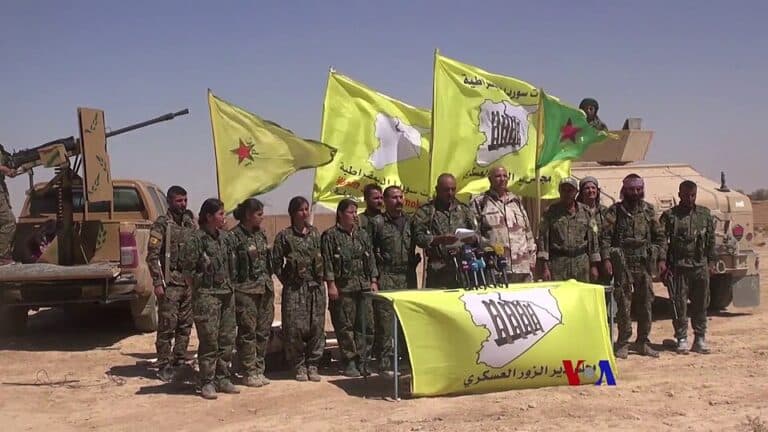
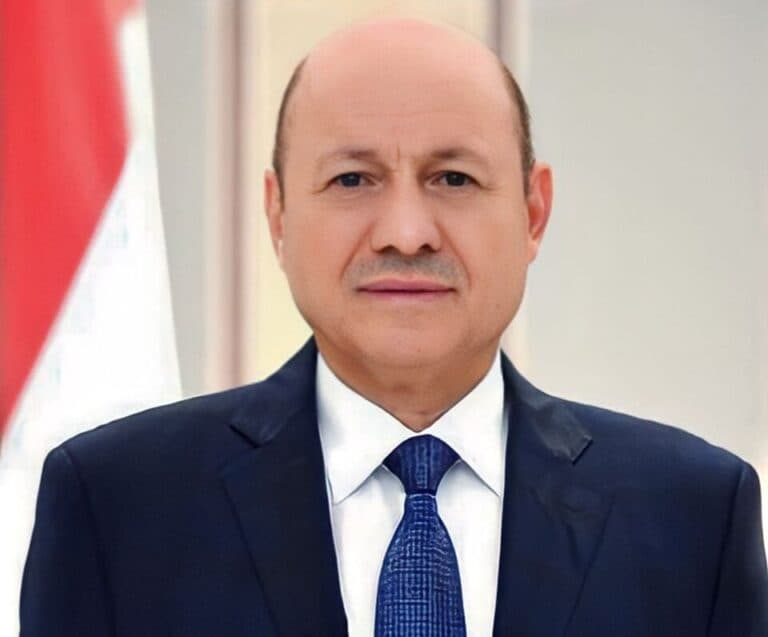
The SDF dissolution marks a major turning point in Syria, as Mazloum Abdi, commander of the Kurdish-led Syrian Democratic Forces, announced the end of the group’s independent military mission and its full integration into Syrian state institutions. The SDF had been the most significant Kurdish fighting organization in Syria and a key American-backed partner in the fight against ISIS.
Abdi’s announcement gives President Ahmed al-Sharaa, formerly known as Abu Mohammad al-Julani, one of his biggest victories since taking power in Damascus. It also hands Turkey a strategic gain. Ankara has long viewed the Kurdish-led SDF and its affiliated forces as a direct threat, while supporting efforts to restore a unified Syrian military structure under Damascus.
Jeremiah commands, “Execute ye judgment and righteousness, and deliver the spoiled out of the hand of the oppressor.” That charge now becomes the real test for Syria’s new rulers. Absorbing armed groups into the state may bring order, but order alone is not justice. The question is whether Damascus can build a state that protects minorities, restrains revenge, and avoids replacing one form of coercion with another.
SDF Dissolution Reshapes Syria
The Syrian Democratic Forces rose during the Syrian civil war and became one of the most important forces in northern and eastern Syria. With American support, the SDF played a central role in fighting ISIS and later controlled territory where Kurdish-led authorities built a de facto autonomous administration.
That era now appears to be ending. According to reports, Abdi said the SDF’s mission had come to an end after its forces completed integration into the Syrian army. Syrian state media framed the step as part of the restoration of state institutions and the return of unified authority to the northeast.
For al-Sharaa, the move strengthens his claim that Syria is entering a new national phase after years of war and fragmentation. However, it also raises difficult questions. Kurdish political rights, local administration, security guarantees, and the future of former SDF commanders will all determine whether this integration produces stability or resentment.
A Victory For Damascus And Ankara
The development lands shortly after “Syria Terror List Removal Becomes Official.” That article reported that the United States removed Syria from the state sponsor of terrorism list, giving al-Sharaa a major diplomatic win while Israel watched the security implications closely. Together, the terror-list removal and the SDF integration show how quickly Damascus is gaining international legitimacy and internal power.
Turkey’s stake is also clear. Erdoğan’s government has spent years opposing Kurdish military autonomy along Syria’s northern border. The SDF’s absorption into Syrian state structures removes one of the region’s most powerful independent Kurdish military forces and gives Ankara a political victory without a direct Turkish battlefield campaign.
The Druze of Sweida, under the influence of Sheikh Hikmat al-Hijri, remain a different case. They have continued to resist a similar move into Damascus’s authority, reflecting deep mistrust after sectarian violence and fears about minority security. That contrast matters. The Kurdish track may now move toward integration, but Syria’s minority question is far from settled.
Israel should watch this process carefully. A stronger central government in Damascus could reduce chaos near Israel’s border if it restrains jihadist groups, limits Iranian access, and keeps Turkey-backed pressure under control. Yet centralization could also become dangerous if the new Syria absorbs armed factions without creating real accountability.
State Power And Covenant Responsibility
The United States and Israel carry separate covenantal missions before God, and Syria’s new phase touches both through the question of what state power is for. America helped build the SDF into a force capable of fighting ISIS, and Washington now has a responsibility to make sure former partners are not discarded into insecurity. Its wider mission also requires preventing Syria from becoming a renewed base for terror, Iranian influence, or regional coercion.
Israel’s covenantal task is closer to home. The Jewish state must judge Syria not by diplomatic ceremonies, but by what happens on the ground. If Damascus becomes more unified and less hostile, that could reduce danger. If unity becomes a cover for Islamist consolidation, Turkish expansion, or renewed threats near the Golan, Israel will need clear deterrence.
Abdi’s announcement may close one chapter of the Syrian war. It does not settle the deeper issue of whether Syria’s new government can protect all communities under its authority. The Kurdish fighters who once helped defeat ISIS are now entering a state still trying to prove what kind of state it will become.
This is why the SDF dissolution matters beyond Syria’s borders. It changes the balance among Damascus, Ankara, Washington, and Jerusalem. It strengthens al-Sharaa, satisfies a major Turkish demand, and forces the United States to confront the future of a former ally. For Israel, it adds one more reason to watch Syria’s rebuilding with caution, realism, and a clear memory of how quickly regional “stability” can turn into a new threat.
For more stories on Israel, faith, and the values behind the headlines, follow Sinai on Facebook and Instagram.
Discussion0
No comments yet — be the first to share your thoughts.