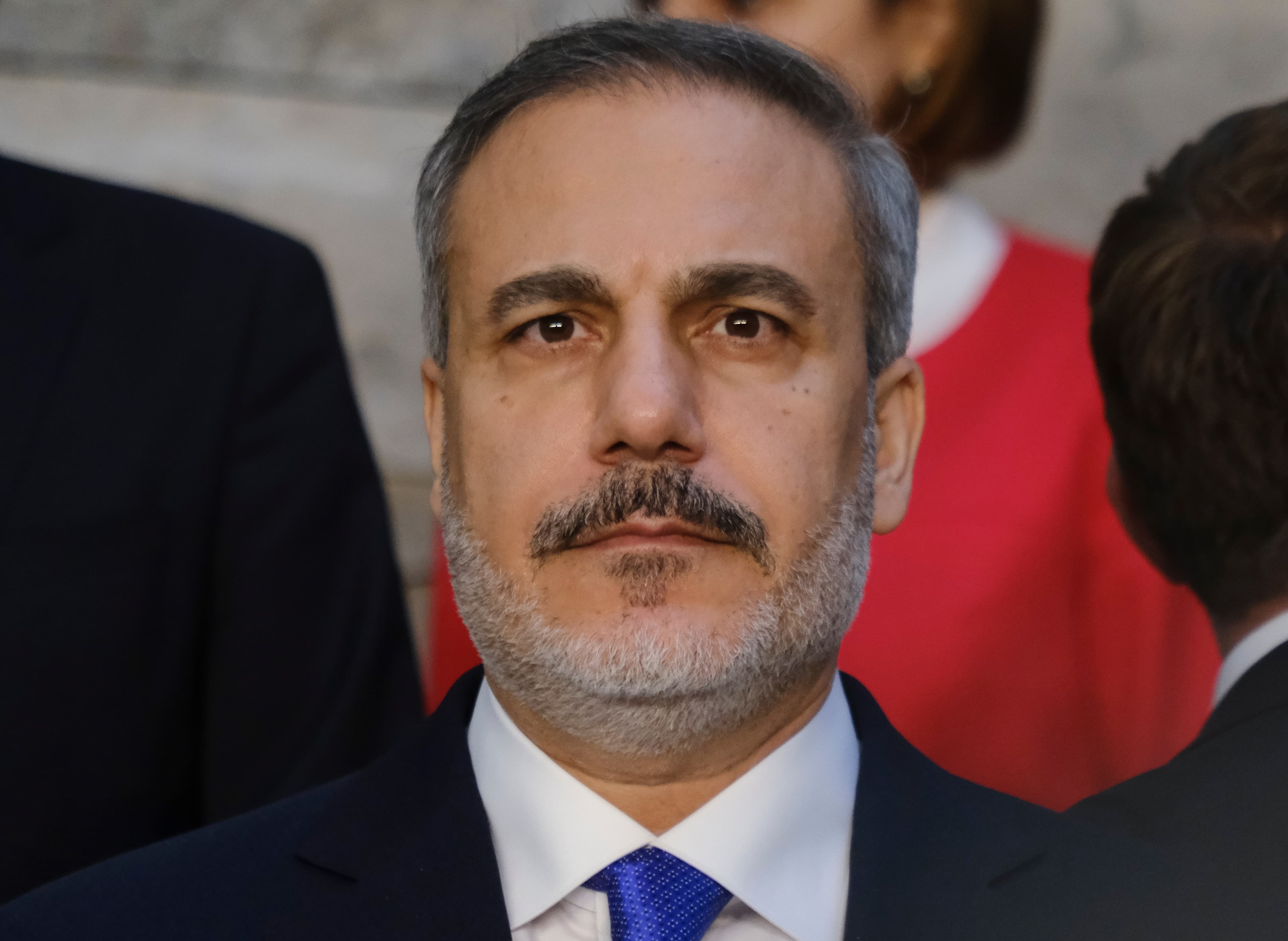
Rubio Says Hormuz Talks Making Progress, No Final Deal Yet
Rubio said progress has been made in talks to reopen the Strait of Hormuz, but no final agreement has been reached yet

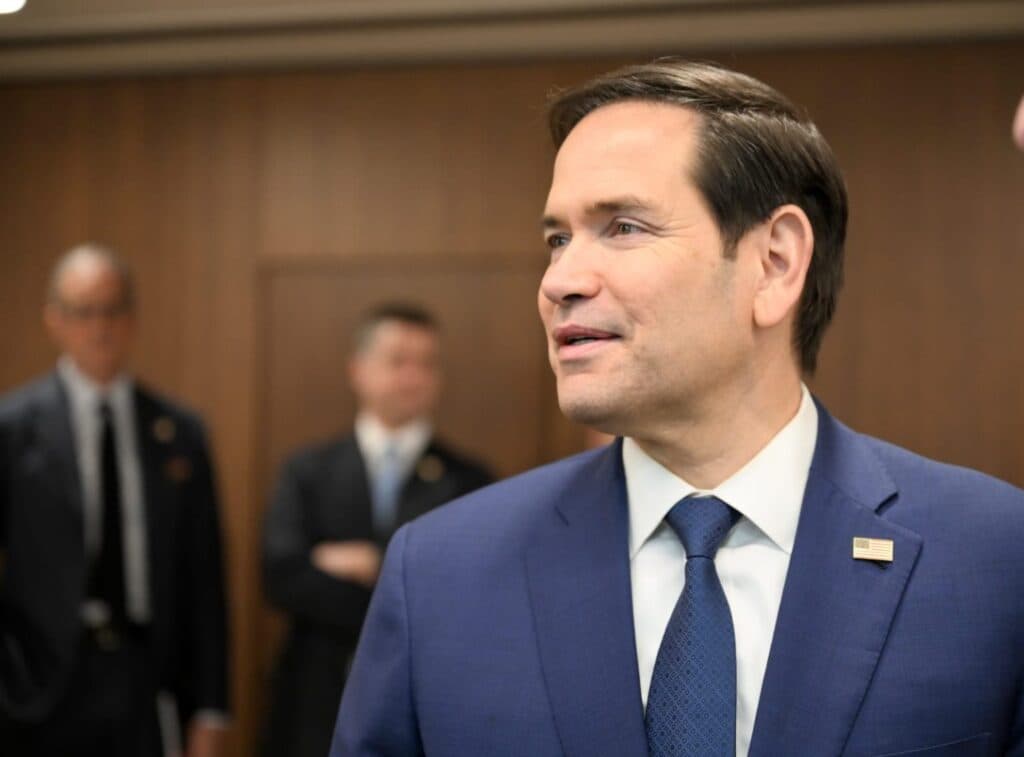
Rubio Hormuz talks moved forward, according to U.S. Secretary of State Marco Rubio, who said progress has been made on reopening the Strait of Hormuz.
Rubio said talks with Iran have advanced, but he stressed that the sides have not yet reached a final agreement, “Progress has been made in talks on reopening the Strait of Hormuz,” Rubio said. “But at this stage, a final agreement has not yet been reached.”
He added that Washington hopes the agreement will be finalized and signed very soon.
The Tanakh says, “The prudent sees danger and takes shelter.” That verse gives this moment its strategic frame. Diplomacy matters, but prudence requires preparation until threats actually end.
Rubio Hormuz Talks
For the United States, Rubio’s statement shows cautious progress, not victory. The Strait of Hormuz remains one of the most important maritime routes in the world. Any disruption affects energy markets, naval movement, Gulf states, and American credibility.
That is why Rubio’s wording matters. He did not declare the crisis over. Instead, he said progress exists while acknowledging that no final deal has been reached.
For Washington, the test is simple. Iran must not be allowed to turn maritime passage into a bargaining chip every time pressure rises. If the strait reopens fully, the United States can claim a deterrence and diplomacy win. If talks stall, Iran may continue using Hormuz to pressure America and its partners.
For Israel, the issue is indirect but serious. Iran’s control over maritime pressure affects the wider regional balance. A Tehran that can threaten shipping routes may also feel emboldened on other fronts, including Lebanon, Gaza, Iraq, Yemen, and Syria.
Trump’s Last-Chance Warning

Rubio’s update connects directly to “Trump Says Iran Has Last Chance For A Good Deal.” Trump said talks with Iran will move quickly, beginning with Hormuz and then nuclear capabilities, warning Tehran this is its last chance for a good agreement.
First, Washington wants the full opening of Hormuz. Then it plans to address Iran’s nuclear capabilities. Rubio’s comments suggest the first stage has made progress, but still needs a signed result.
For Israel, the second stage remains the most important. The reopening of Hormuz would reduce regional pressure, but it would not solve the Iranian threat. Jerusalem’s core concern remains Iran’s nuclear program, missile development, drone network, and support for terror proxies. While for America, the challenge is to avoid mistaking partial progress for strategic resolution. Hormuz matters. However, the nuclear issue will define whether Iran exits this crisis weaker or stronger.
Covenant Of Open Seas And Serious Agreements
The United States and Israel share a covenantal understanding before God rooted in freedom, lawful order, protection of life, and resistance to coercion.
America’s covenantal tradition emphasizes liberty under God, secure commerce, and the duty to protect allies from intimidation. Israel’s covenant is ancient and unique, rooted in the God of Israel, Torah, Jewish peoplehood, and the return to the land. The United States cannot allow Iran to control global passage through threats. Israel cannot ignore a regime that uses every arena, from Hormuz to Gaza, as leverage against free nations.
Rubio’s statement offers a cautious opening. If Iran signs and implements a real agreement, the region could gain breathing room. If Tehran delays, denies, or changes terms, the crisis will return quickly.
Ultimately, the impact for both America and Israel depends on implementation. A signed deal must reopen Hormuz in reality, not only on paper. Then Washington must move to the deeper question: Iran’s nuclear capabilities and the broader threat Tehran poses to Israel, the United States, and regional order.
For more stories on Israel, faith, and the values behind the headlines, follow Sinai on Facebook and Instagram.
Discussion0
No comments yet — be the first to share your thoughts.