Trump Says Iran Has Last Chance For A Good Deal
Trump said talks with Iran will move quickly, beginning with Hormuz and then nuclear capabilities, warning Tehran this is its last chance for a good agreement

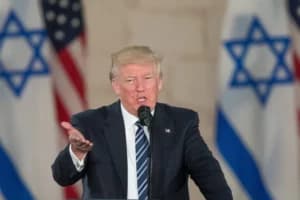
Trump Iran talks are moving toward a decisive moment, after President Donald Trump said negotiations with Tehran will progress quickly “one way or another.”
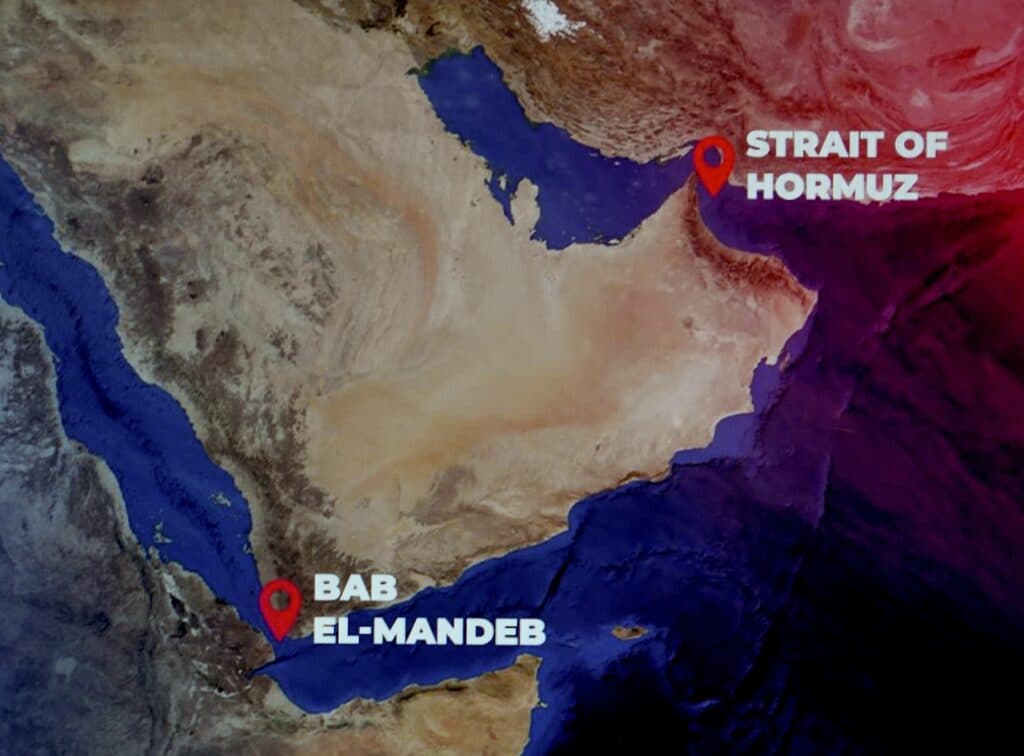
Trump said the issue is “not a particularly complicated matter.” He added that tomorrow’s discussions will focus on the full opening of the Strait of Hormuz.
After that, Trump said, the sides will discuss Iran’s nuclear capabilities. He then delivered a direct warning: “This is their last chance to sign a good agreement.”
The Tanakh says, “The plans of the diligent lead surely to abundance, but everyone who is hasty comes only to want.” That verse gives this moment a useful frame. Serious diplomacy requires focus, leverage, and timing. It also requires knowing when delay becomes danger.
Trump Iran Talks
For the United States, Trump’s statement presents Iran with a clear sequence. First comes Hormuz. Then comes the nuclear issue. That order matters because the Strait of Hormuz affects global energy routes, U.S. naval credibility, Gulf security, and the stability of American partners.
If Iran keeps threatening or restricting maritime passage, Washington faces pressure to prove that it can protect open routes. If the strait opens fully, Trump can then turn the spotlight toward Iran’s nuclear capabilities. For Israel, the nuclear question remains the core issue. Maritime pressure is serious, but a nuclear Iran would threaten Israel’s future, strengthen Iran’s proxies, and reshape the Middle East.
Trump’s warning therefore carries direct relevance for Jerusalem. A “good agreement” cannot mean paper quiet while Tehran preserves the ability to rebuild pressure through uranium enrichment, missiles, drones, and terror networks.
Trust, Pressure, And Iran’s Message
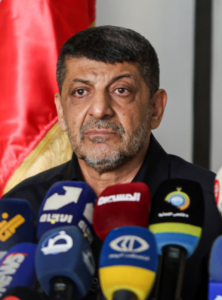
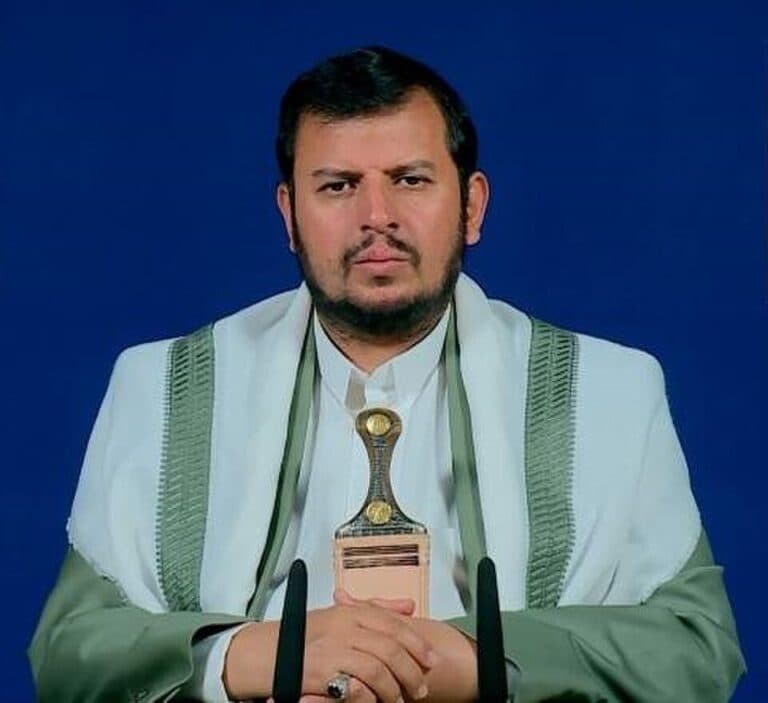
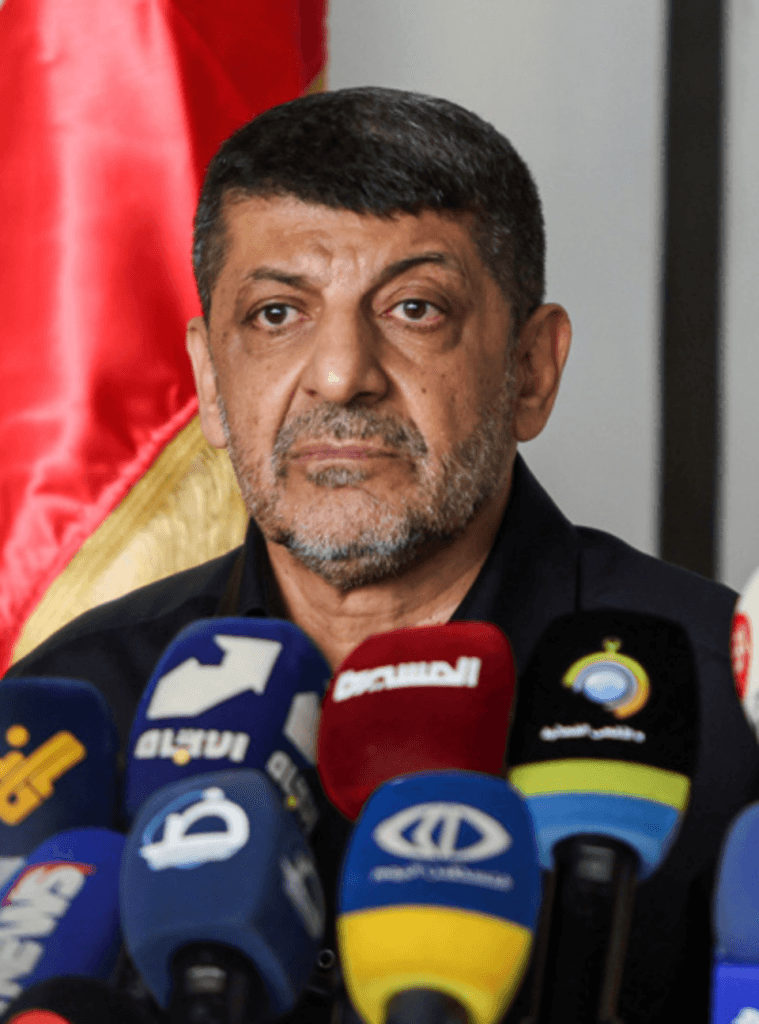
This statement gains added significance after “Iranian Leadership Body Says U.S. President Cannot Be Trusted.” Iran’s Assembly of Experts presidency said the U.S. president’s signature cannot be trusted, framing the confrontation with America as fundamental and decisive.
Trump is speaking about a final chance for a deal. Iran’s clerical leadership is speaking about distrust and confrontation. Together, those positions show how narrow the diplomatic path has become.
For Washington, this is a test of leverage. If Iran believes America wants a deal at any cost, Tehran may stall. If Iran believes Trump will act if talks fail, diplomacy has a stronger chance. While for Israel, the lesson is familiar. Agreements with Iran matter only when enforcement, verification, and consequences stand behind them.
Covenant Of Decision And Defense
The United States and Israel share a covenantal understanding before God rooted in freedom, protection of life, justice, and responsibility before history.
America’s covenantal tradition emphasizes liberty under God, lawful strength, and the defense of free movement against coercion. Israel’s covenant is ancient and unique, rooted in the God of Israel, Torah, Jewish peoplehood, and the return to the land.
America cannot allow Iran to control Hormuz by threat. Israel cannot allow Iran to turn nuclear talks into a shield for future aggression. Both nations understand that peace must rest on strength, not wishful thinking. Trump’s message is therefore simple: Iran can choose a good agreement now, or face the consequences of refusing one.
Ultimately, the coming talks will test whether Tehran wants a real exit from confrontation. For America, the stakes are deterrence and regional order. For Israel, the stakes are survival, security, and the prevention of a nuclear Iran.
For more stories on Israel, faith, and the values behind the headlines, follow Sinai on Facebook and Instagram.
Discussion0
No comments yet — be the first to share your thoughts.