Northern Israel Victims: Three Years After October 7
Three years after October 7, Israel remembers civilians killed across the north by Hezbollah rocket and anti-tank missile attacks during the Swords of Iron War
Sinai Desk
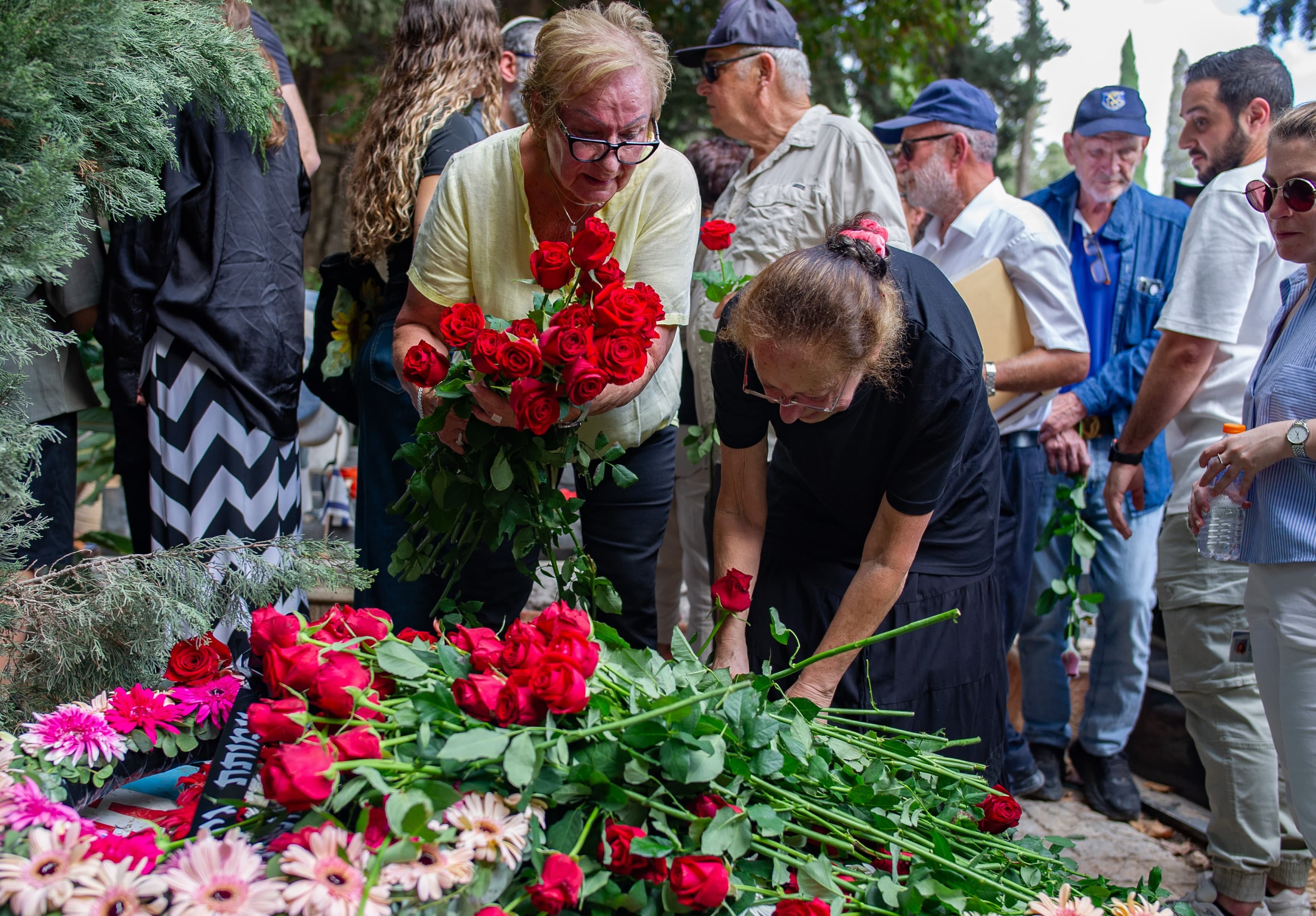
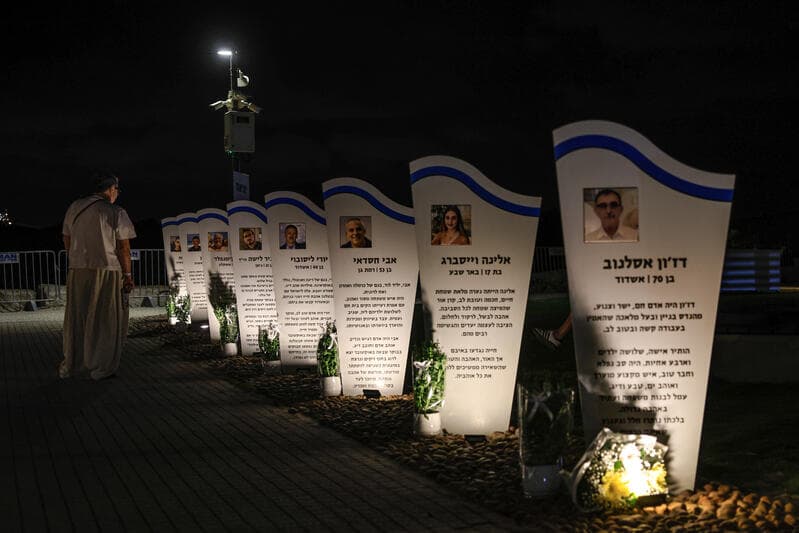
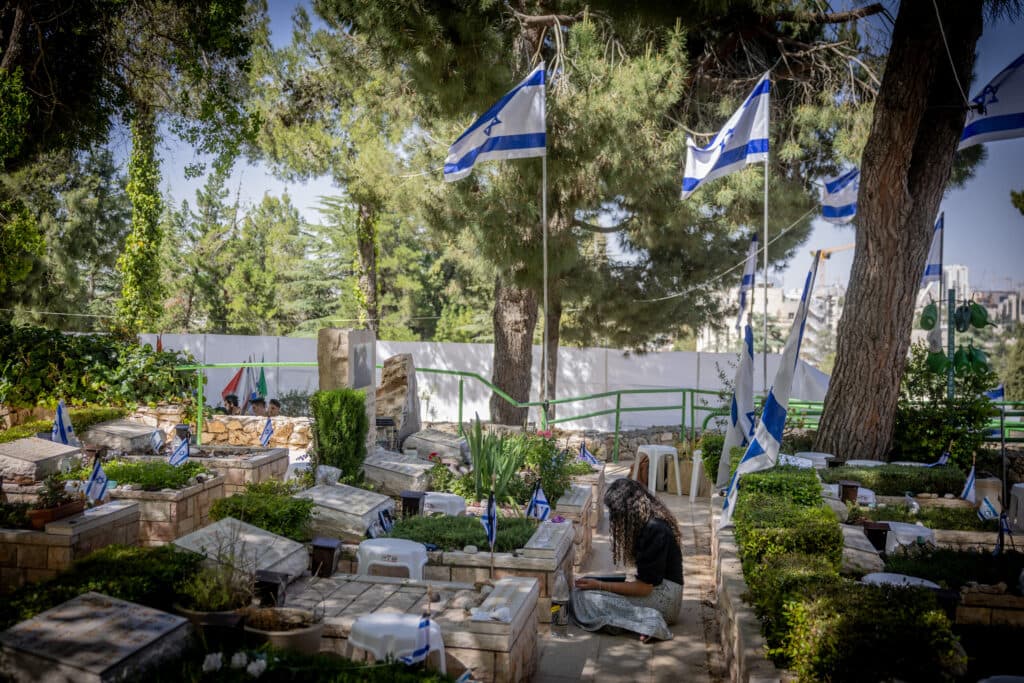
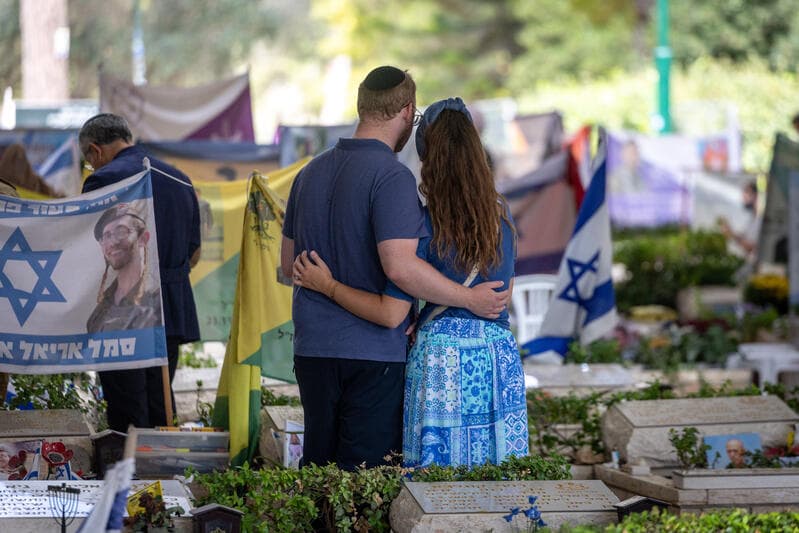
Three years after October 7, Israel remembers the northern Israel civilian victims who were murdered as the war spread across the country. Hezbollah attacks from Lebanon killed civilians from Kiryat Shmona and Metula to Nahariya, Shfaram and communities near Haifa. Rockets and anti-tank missiles turned Israel’s northern border into another active front.
The government’s casualty records preserve more than statistics. They record Jews, Muslims, Druze, Bedouins and foreign agricultural workers who lost their lives. Some died at home, while others died in fields, cars or border communities. Several families lost more than one loved one.
Isaiah 62:6 declares, “Upon your walls, O Jerusalem, I have set watchmen; all day and all night they shall never be silent.” Three years after October 7, those words join remembrance with vigilance. Israel continues to carry both responsibilities as it remembers the dead and protects communities along its borders.
Northern Israel Civilian Victims of Hezbollah Fire
Hezbollah attacks continued to claim civilian lives through the final weeks before the November 2024 ceasefire. A rocket barrage killed Brian Director, 27, of Ma’alot-Tarshiha in Nahariya on November 21. Three days earlier, rocket fire from Lebanon killed Safaa Qaat Awad, 50, a teacher and mother of four from Shfaram.
A Hezbollah attack killed Ziv Belfer, 52, and Shimon Najm, 54, in Nahariya on November 12. Another attack killed Sivan Sade, 18, of Kibbutz Kfar Masaryk on November 6. Eduard Sololov, 57, a father of four from Nahariya, died on November 3. He had suffered critical wounds during an October 23 rocket barrage.
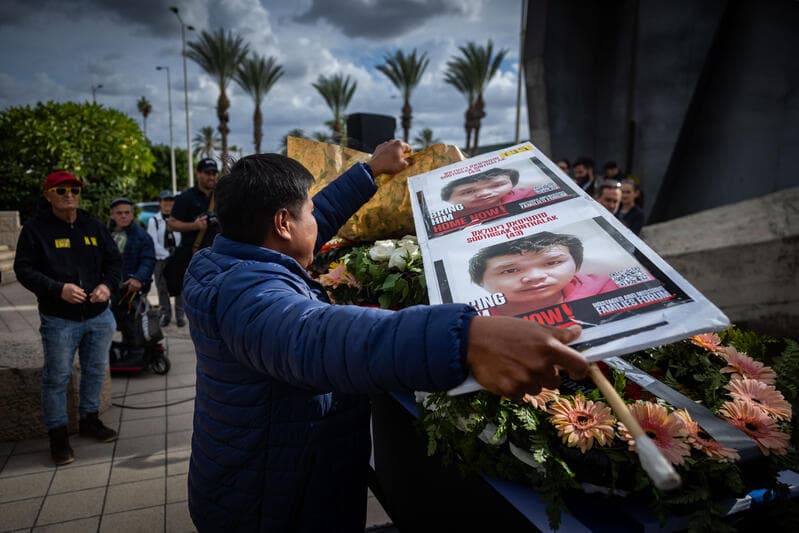
October 31 became one of the deadliest days for civilians in the north. A rocket attack killed Karmi Hasson, 21, and his mother, Mina Hasson, 60, while they harvested olives near Haifa. Hezbollah fire also struck Metula that day. The attack killed Omer Weinstein, 47, of Kibbutz Dafna and four Thai agricultural workers.
The four workers were Prayat Pilatram, Thana Tijantak, 31, Akaphon Wanasai and Kawisak Papanang. They had traveled from different parts of Thailand to work in Israeli agriculture. Their deaths became part of the civilian toll of the northern front.
On October 29, a Hezbollah rocket struck the home of Muhammad Yasser Naim, 22, in Ma’alot-Tarshiha and killed him. Four days earlier, another strike killed Arjwan Manaa, 25, of Majdal Krum and Hassan Suad, 21, of Bu’eine Nujeidat. Rocket shrapnel also killed Alexei Popov, 51, of Kiryat Haim near Haifa on October 19. The shrapnel struck his car outside Akko.
Nisan Miram, 42, a Thai agricultural worker, died while working in the fields of Kibbutz Yir’on on October 11. Two days earlier, Hezbollah fire killed Dvir Sharvit, 43, and his partner Revital Yehud, 45. The couple had been walking their dogs in Kiryat Shmona.
Deaths Across the Northern Border
The civilian toll began long before the heavy barrages of late 2024. An anti-tank missile from Lebanon killed Sharif Suad, 35, near Mount Dov on April 26. Suad came from the Bedouin town of Sallama near Karmiel and was driving a truck when the missile struck. Hezbollah anti-tank fire also killed Elad Fingerhut, 38, of Kibbutz Metzuba.
A Hezbollah rocket salvo killed Zaher Bashara, 38, of the Druze village of Ein Qiniyye on March 27. Earlier that month, an anti-tank missile struck Moshav Margaliot. The attack killed Patnibin Maxwell, 31, an Indian national from Kerala. Hezbollah fire also killed Mira Ayalon, 76, and her son, Barak Ayalon, 45, of Moshav Kfar Yuval in January 2024.
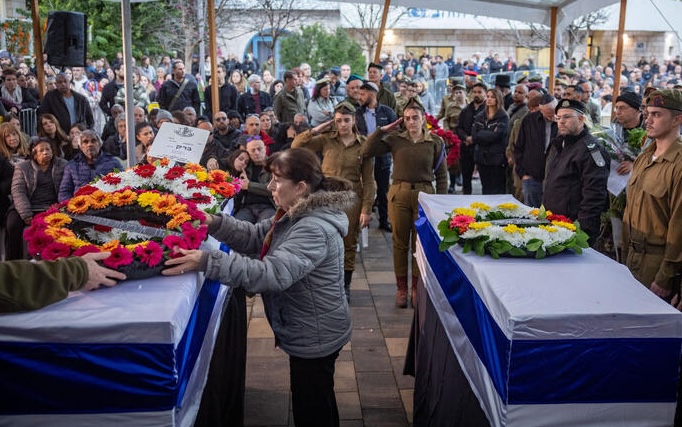
The northern front had already claimed civilian lives during the first months of the war. Anti-tank fire killed Eyal Uzan, 54, of Moshav Netu’a in December 2023. Mofid Alzir, 57, of Abu Snan and Meir Moyal, 55, of Kiryat Shmona also died in attacks in northern Israel.
Shalom Abudi, 56, of Tiberias worked for the Israel Electric Corporation. An anti-tank missile killed him near the northern border on November 12, 2023. His death reflected another reality of the war: civilians and essential workers continued operating in areas exposed to fire.
The victims came from communities across Israel’s northern mosaic. They included Jewish, Muslim, Druze and Bedouin citizens, as well as workers from Thailand and India. Hezbollah’s attacks endangered everyone living or working within range of the Lebanese border.
Memory and Vigilance Three Years Later
The third anniversary of October 7 comes as Israel again watches for threats tied to the date. In “Hamas Attack Warning: IDF on Alert for October 7,” we reported that Israel raised IDF readiness in Gaza. Intelligence indicated that Hamas could attempt attacks against Israeli forces around the anniversary.
That warning gives this year’s remembrance a continuing security dimension. The northern victims show how the consequences of October 7 spread far beyond the Gaza border. Hezbollah opened a second front from Lebanon and subjected northern Israel to sustained attacks. Those attacks forced communities to live with rockets, evacuations and prolonged uncertainty.
The northern campaign also matters to Washington. The United States has designated Hezbollah as a Foreign Terrorist Organization since 1997. American policy has long treated the Iran-backed organization as a regional security threat. Israel, meanwhile, faces the immediate responsibility of preventing armed groups from threatening civilians across its sovereign borders.
A Covenant to Remember and Protect
Israel’s covenantal responsibility becomes concrete when civilians die in their homes, fields and communities. Jewish sovereignty carries an obligation to preserve life, defend the land and remember those who died within it. The northern victims also reveal Israel’s broader human reality. People from different religions and nationalities shared the same danger because they lived and worked in the same region.
America’s covenantal tradition developed through a different national history. Yet it also places importance on defending life, opposing terrorism and supporting allies under attack. Cooperation between Israel and the United States against Hezbollah therefore involves more than military strategy. It also concerns the ability of democratic societies to protect civilians from organized violence.
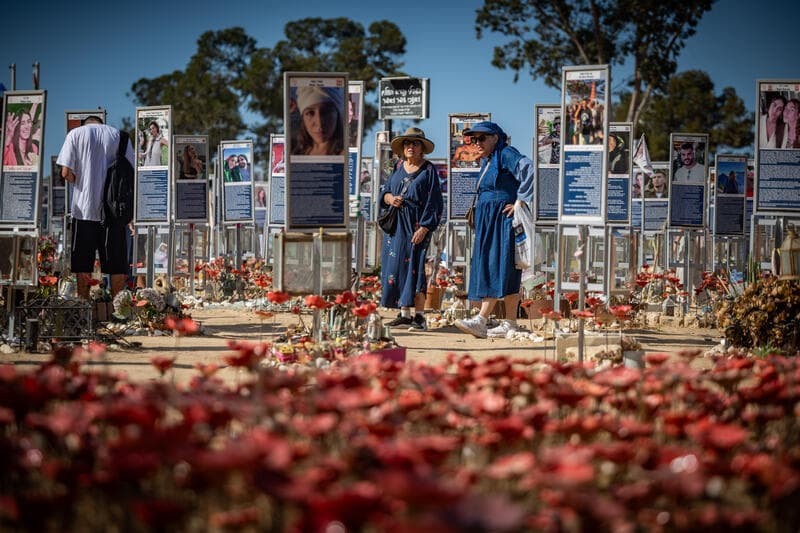
Three years after October 7, remembrance cannot end with one morning or one region. The victims of southern Israel, the Nova festival, Zikim Beach, foreign nationals and the northern front belong to the same national record. Their names preserve the human reality behind casualty figures and military maps. Remembering them also explains why protecting Israel’s borders remains inseparable from protecting the people who live within them.
For more stories on Israel, faith, and the values behind the headlines, follow Sinai on Facebook and Instagram.
Discussion0
No comments yet — be the first to share your thoughts.