Foreign Victims: Three Years After October 7
Three years after October 7, Israel remembers foreign workers, students, caregivers and tourists among victims representing 52 nationalities
Sinai Desk
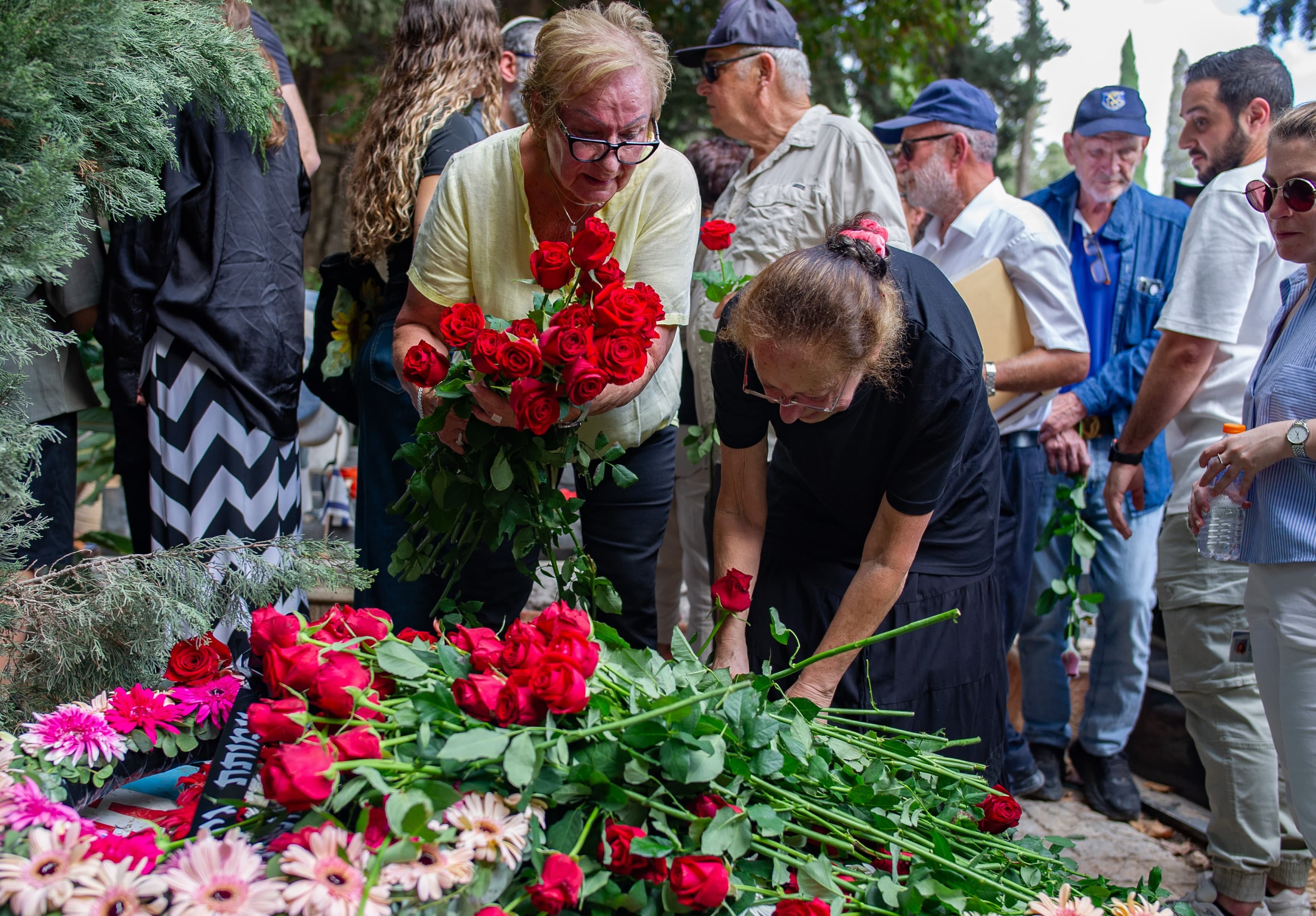
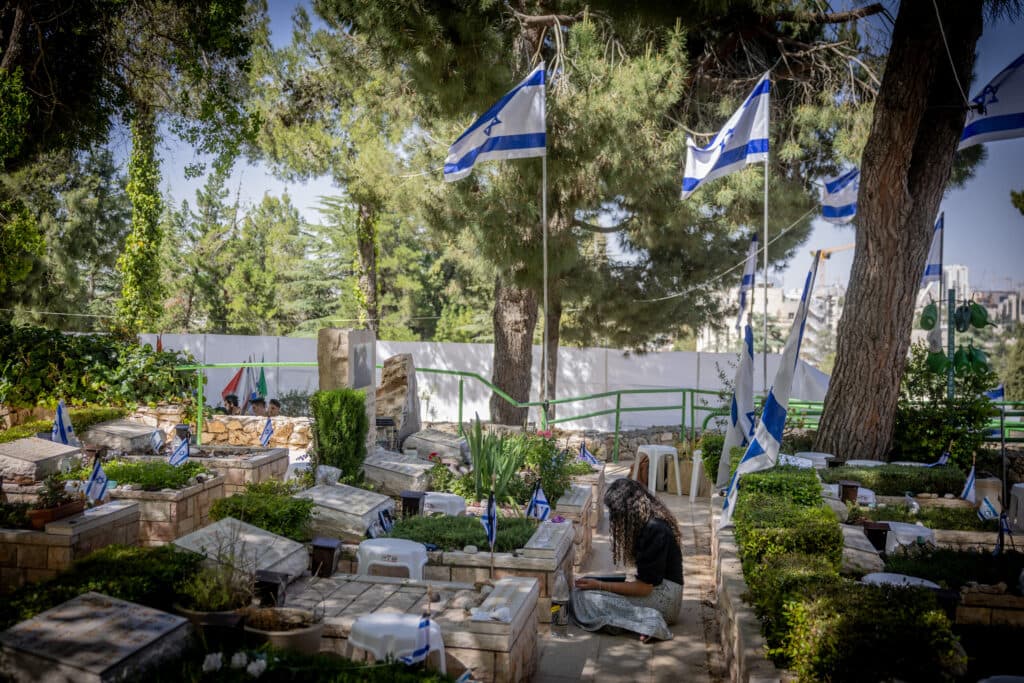
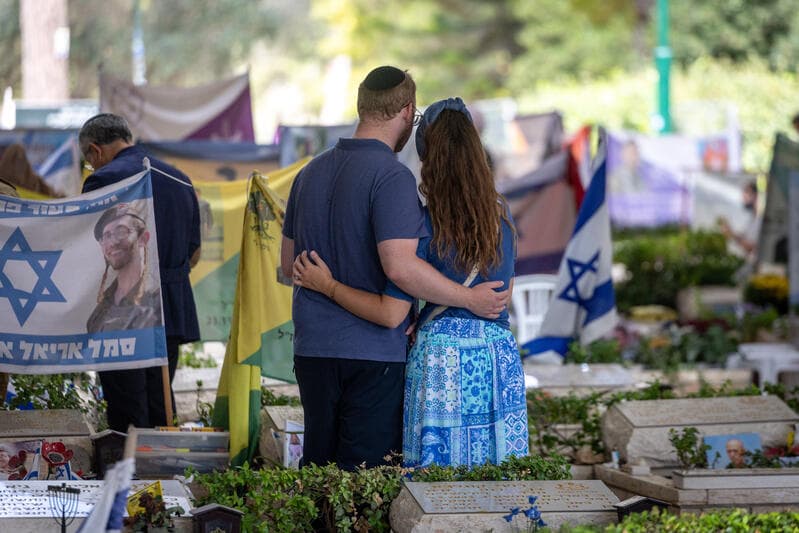
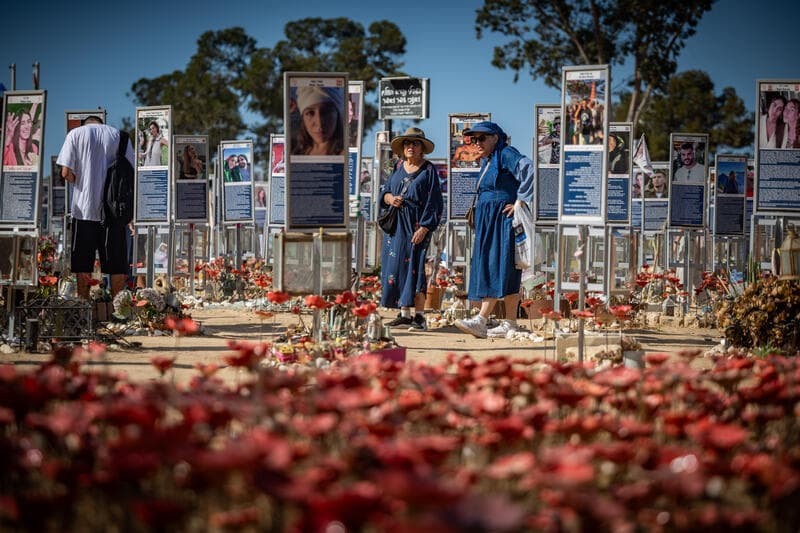
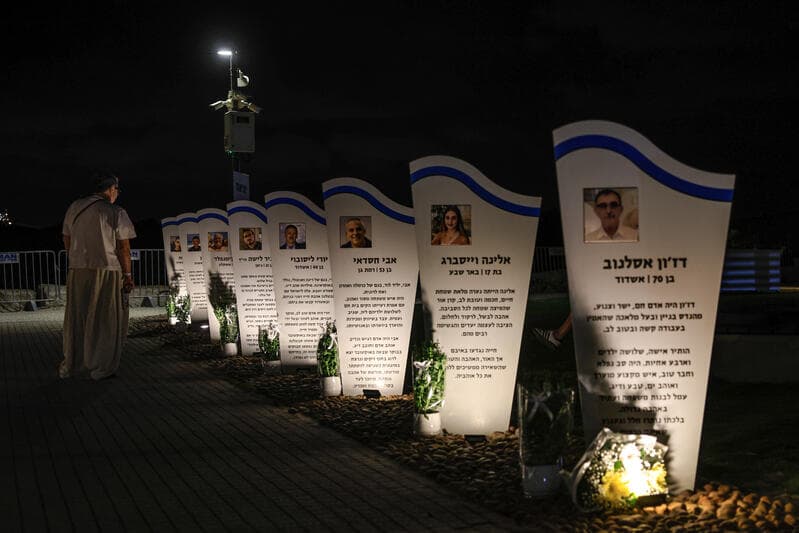
Three years after October 7, Israel also remembers the foreign victims of October 7 whose lives became part of the massacre. Agricultural workers, caregivers, students and tourists from around the world were among those Hamas terrorists murdered or abducted.
The international reach was far greater than one list of foreign workers. The Civil Commission on October 7th Crimes found victims representing 52 nationalities. Its data counts 369 people with foreign or dual Israeli-foreign citizenship who were murdered, including victims killed in captivity. Another 106 foreign or dual citizens were taken hostage and later released or rescued alive.
The Commission counted 475 murdered or abducted victims with foreign citizenship in total. Of those, 134 held only a foreign citizenship and 323 held both Israeli and foreign citizenship. Another 18 held three citizenships. The figures show why October 7 was never solely an Israeli tragedy.
Deuteronomy 10:18 describes God as one who “loves the stranger, giving him food and clothing.” That obligation carries particular force when remembering foreign workers who had built lives in Israel. Many came to farm Israeli land, care for elderly residents or study agriculture. On October 7, they faced the same terrorists as the Israelis beside them.
Foreign Victims of October 7 Came From Across the World
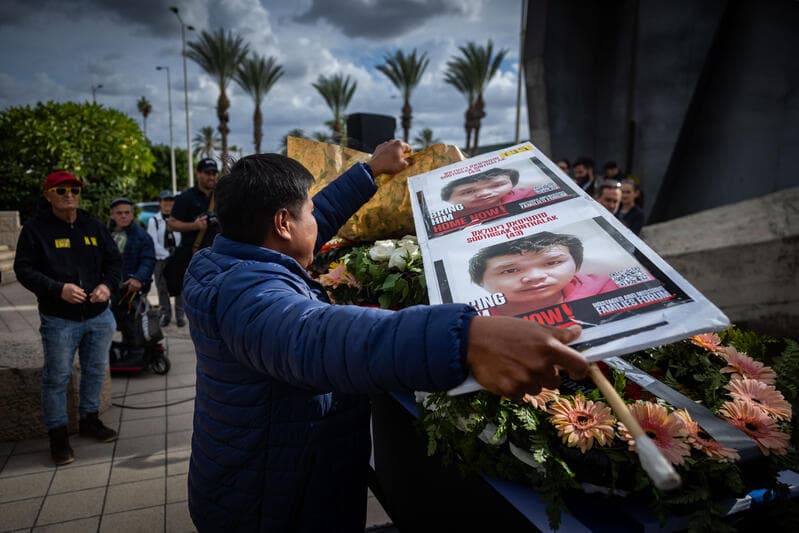
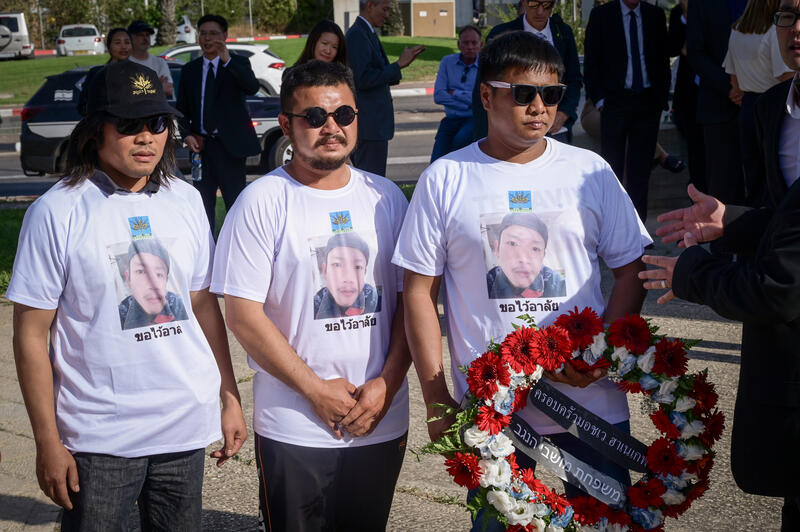
Thai nationals suffered especially heavy losses. Many worked in the agricultural communities closest to Gaza. The Israeli government’s casualty record includes dozens of Thai workers murdered in kibbutzim and fields across the Gaza border region.
Sonthaya Oakkharasr worked at Kibbutz Be’eri. Hamas terrorists murdered him on October 7 and abducted his body into Gaza. His family learned of his death in May 2024 after an intelligence investigation. His remains finally returned to Israel in October 2025.
Sudthisak Rinthalak also worked at Kibbutz Be’eri. Hamas murdered him and carried his body into Gaza. His remains stayed there until December 2025, when they returned to Israel under the October agreement.
Nattapong Pinta, 35, had worked for years at Kibbutz Nir Oz. Terrorists abducted him on October 7. Israeli authorities later determined that his captors murdered him during the first months of captivity. Israel recovered his body from Gaza in June 2025.
Other Thai victims listed by Israel include Jakfung Jantassana, Chairat Sanusan and Theerapong Klangsuwan, who died at Kibbutz Kissufim. Pongsatorn Khunsree, 25, was murdered during the attack on Kibbutz Alumim. The list also records workers killed elsewhere near Gaza, including Arnatit Kayson, 29, Patti Kiatisk, 35, and Tianchai Yodtongdi, 32.
They were among a much larger Thai community working in Israeli agriculture. Early Israeli diplomatic reporting already documented Thai deaths and abductions within days of the attack.
Students, Caregivers and Workers Were Also Murdered
Nepal also lost young citizens who had come to Israel for agricultural study. Bipin Joshi, 23, survived the initial attack at Kibbutz Alumim but Hamas terrorists abducted him into Gaza. He later died in captivity, and his body returned to Israel in October 2025.
The government list also names Nepali students Dipesh Raj Bist, Lokendra Singh Dhami, Narayan Prasad Neupane, Aanand Sah and Rajesh Kumar Swarnakar. Rajan Phulara, Ashish Chaudhary, Ganesh Kumar Nepali and Padam Thapa also died at Kibbutz Alumim. Prabesh Bhandari was murdered at Kibbutz Nirim.
Filipino caregivers were among the dead as well. Hamas terrorists murdered Angeline Agirs and Loretta Alkarra at Kibbutz Alumim. Gracie Cabrera, 45, and caregiver Paul Vincent Castelvi, 42, were murdered at Kibbutz Be’eri.
Cambodian national Chum Udum, 24, died at Kibbutz Karmia. Sri Lankan nationals Sujith Nissanka, 48, and Anula Jayathilaka, 49, were murdered at Kibbutz Be’eri.
Chinese nationals also died in Sderot. Israel’s government list includes Chi Zanhung, 47, and several other Chinese victims killed during the attack on the city.
Tanzanian student Joshua Loitu Mollel, 21, was abducted from the Nahal Oz area and murdered. The Civil Commission later cited documented footage concerning his killing as part of its extensive record of October 7 atrocities.
The dead also included Eritrean asylum seekers. Wolderaphael “Tiger” Hagos Berhe, 40, was murdered in Sderot. Authorities identified his body later through DNA before returning it to Eritrea for burial. Goytum Jabrahiwat was also murdered in Sderot.
The government list extends further. German national Caroline Bol, 22, died at Kibbutz Nir Oz. Sudanese national Adam Barima was murdered in Sderot. Canadian Alexandre Look, 35, of Montreal was murdered at the Nova Music Festival.
British national Jake Marlo, 26, also died at Nova. British-Israeli citizen Nadav Popplewell, 51, was abducted from Kibbutz Nirim and later died in Hamas captivity. French-Mexican tourist Orión Hernández Radoux, 30, attended Nova before terrorists abducted him. Israeli forces recovered his body from Gaza in May 2024.
October 7 Crossed National Borders
The sheer range of nationalities changes the scale of the story. The Civil Commission’s 2026 report states that October 7 victims came from at least 52 nationalities. It specifically identifies caregivers, agricultural workers and Nova festival participants among those affected. The report argues that this multinational character creates responsibilities beyond Israel’s borders.
That international dimension also matters to the United States. Americans were among the foreign and dual-national victims, while Washington became deeply involved in hostage diplomacy after the attack. More broadly, citizens of U.S. allies across Europe, Asia and the Americas appeared among the dead and abducted.
The massacre therefore struck far beyond Israeli citizenship. A Thai worker tending crops, a Nepali agricultural student and a Filipino caregiver could become victims of the same assault that devastated Israeli families. Their presence in the casualty record reflects how interconnected Israeli society had become before the war.
The previous article in this memorial series, “Zikim Beach Victims: Three Years After October 7,” remembered 18 civilians murdered when Hamas terrorists reached Israel’s Mediterranean coast. The foreign victims tell another part of that same morning. October 7 reached beaches, kibbutzim, roads, festivals, farms and workplaces almost simultaneously.
Remembering Those Who Came to Israel
Israel’s covenantal mission before God includes an obligation toward those who live among the Jewish people. The foreign nationals murdered on October 7 were not anonymous outsiders. They worked in Israeli communities, cared for Israeli families, harvested Israeli fields and studied alongside Israelis.
Their stories also speak to America’s own covenantal tradition. The United States has long defined the defense of human dignity and opposition to terrorism as matters that cross national boundaries. When citizens from dozens of countries become victims of the same attack, remembrance and accountability cannot stop at one border.
Three years later, the names of these foreign nationals belong within Israel’s October 7 memory. Some came to earn money for families thousands of miles away. Others came to study, travel or care for people who needed them. Many never returned home alive.
Remembering them means recognizing that October 7 struck people from across the world. Their nationalities were different, but on that morning their fate became inseparable from Israel’s.
For more stories on Israel, faith, and the values behind the headlines, follow Sinai on Facebook and Instagram.
Discussion0
No comments yet — be the first to share your thoughts.