Israel’s Fallen Since October 7: 1,318 Lives Stolen
Israel marks 1,318 fallen security personnel since October 7, including 970 IDF soldiers, as three years of regional war leave thousands of families bereaved

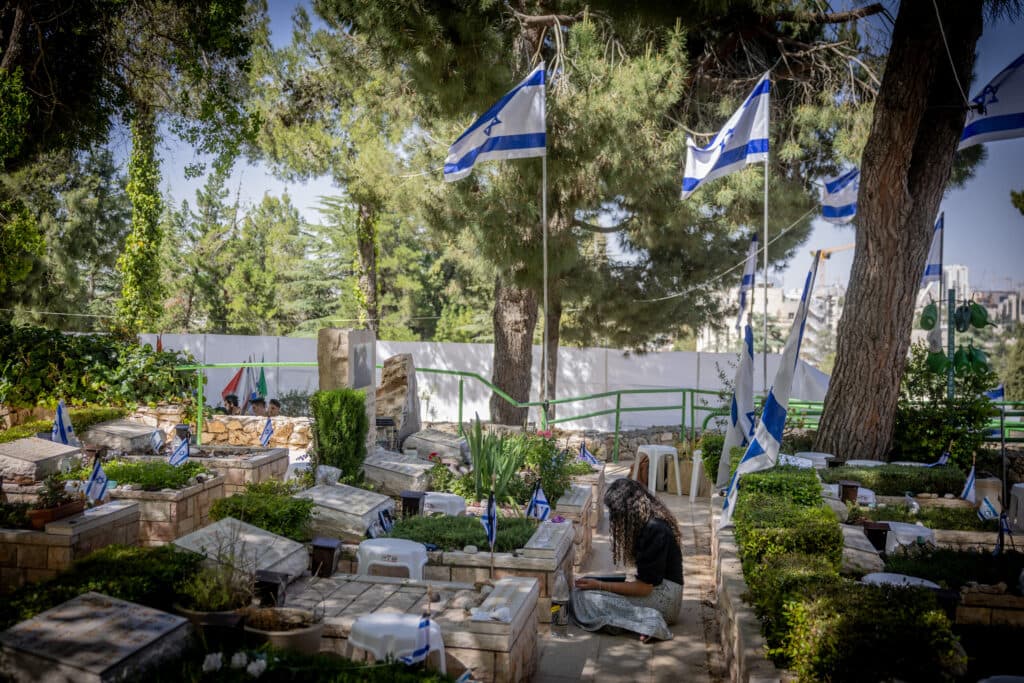
Nearly three years after October 7, Israel’s fallen since October 7 now number 1,318 across the country’s defense and security services. The figure, released Sunday by Israel’s Defense Ministry, reflects the human cost of a war that spread far beyond Gaza. Israeli forces have fought in the south, the north, Lebanon and Judea and Samaria while confronting a wider regional threat.
The Defense Ministry count includes IDF soldiers, police officers, Shin Bet personnel, firefighters, prison officers and civilian security teams. It is important to note that the 1,318 figure is not a count of battlefield deaths alone. It also includes recognized security personnel who died from accidents, illness or suicide during the war period.
The IDF separately lists 970 soldiers, officers and reservists among the fallen of the war whose names have been cleared for publication. Hundreds fell during the October 7 assault and the fighting that followed. Others never returned from operations conducted over nearly three years of war.
Second Samuel records David’s lament after battle: “How are the mighty fallen, and the weapons of war perished.” The verse refuses to reduce the dead to a military statistic. It remembers that behind every loss stood a life, a family and a place left empty.
1,318 Fallen, Thousands Left to Mourn
The Defense Ministry says more than 7,150 relatives have joined Israel’s bereaved community since October 7, 2023. They include 2,143 parents, 355 widows, 880 children and 3,772 brothers and sisters. Each number represents a family whose life divided into a before and an after.

Most of the fallen security personnel lost their lives during fighting connected to Gaza, Lebanon and Judea and Samaria, according to the ministry. The geography tells part of the story of how dramatically the war expanded. What began with Hamas’s attack from Gaza became a prolonged, multi-front conflict involving threats across Israel’s borders.
That widening battlefield is also reflected in “Iran War Warning: Army Chief Says Fight Is Not Over.” Iranian Army chief Amir Hatami warned that the confrontation remains unfinished and that insecurity could spread across the region. For Israeli families, such warnings are not abstract strategic language. Three years of funerals have already shown the human price of sustained regional conflict.
Remembering the People Behind the Uniform
Military casualty figures can become familiar during a long war. That familiarity carries its own danger. A total such as 970 fallen IDF soldiers can obscure hundreds of individual stories of young conscripts, reservists, career officers, parents, siblings and friends.
Some were killed on October 7 while defending communities along the Gaza border. Others fell during the ground campaign in Gaza or subsequent operations on additional fronts. Many reservists left ordinary civilian lives when the country mobilized and never returned to them.
Israel’s national memory has always treated fallen soldiers as more than names on a list. Military cemeteries, memorial ceremonies and the Defense Ministry’s Izkor project preserve the personal stories behind those names. The ministry describes commemoration as an ongoing national responsibility, allowing families to preserve the character and life story of each person who fell.
The scale of loss also gives Israel’s relationship with the United States a human dimension. Washington and Jerusalem maintain decades of military cooperation, including missile defense, joint exercises and security assistance. Those arrangements are often discussed through weapons systems and strategy, but Israeli casualties show what national defense means at ground level.
Memory as a Covenant Responsibility
Israel’s covenantal mission before God carries a duty to defend Jewish life and preserve Jewish sovereignty. It also demands remembrance of those who gave their lives in that defense. Jewish memory does not allow sacrifice to disappear into a statistic once the immediate battle has passed.
America’s covenantal tradition developed through a different history, yet it also places great weight on honoring those who serve and fall in national defense. That shared culture of remembrance gives the U.S.-Israel security relationship meaning beyond military hardware. Both societies understand that national survival carries a cost borne by individual families.
Three years after October 7, the figure 1,318 records something larger than the duration of a war. It marks homes missing sons and daughters, children growing up without parents, and siblings carrying names forward. The IDF’s 970 fallen soldiers are part of that wider circle of sacrifice, alongside police, intelligence personnel and other defenders.
Israel’s wars are often measured in fronts, missiles, territory and deterrence. The deeper measure is the people who did not come home. As the regional confrontation continues, remembering them remains part of the nation’s responsibility to those who stood in its defense.
For more stories on Israel, faith, and the values behind the headlines, follow Sinai on Facebook and Instagram.
Discussion0
No comments yet — be the first to share your thoughts.