Zikim Beach Victims: Three Years After October 7
Three years after October 7, Israel remembers 18 civilians murdered by Hamas terrorists at Zikim Beach during the opening hours of the attack
Sinai Desk
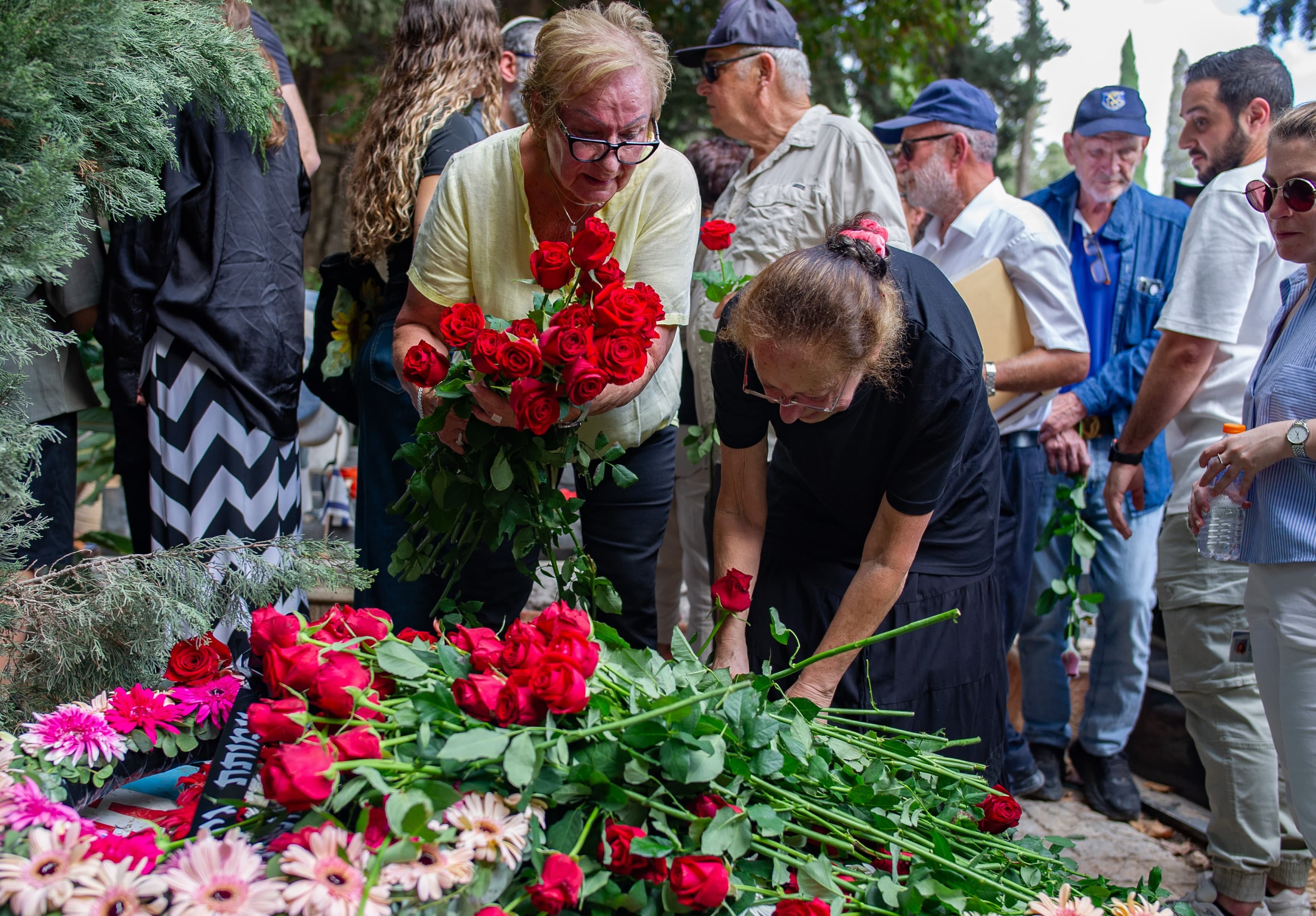
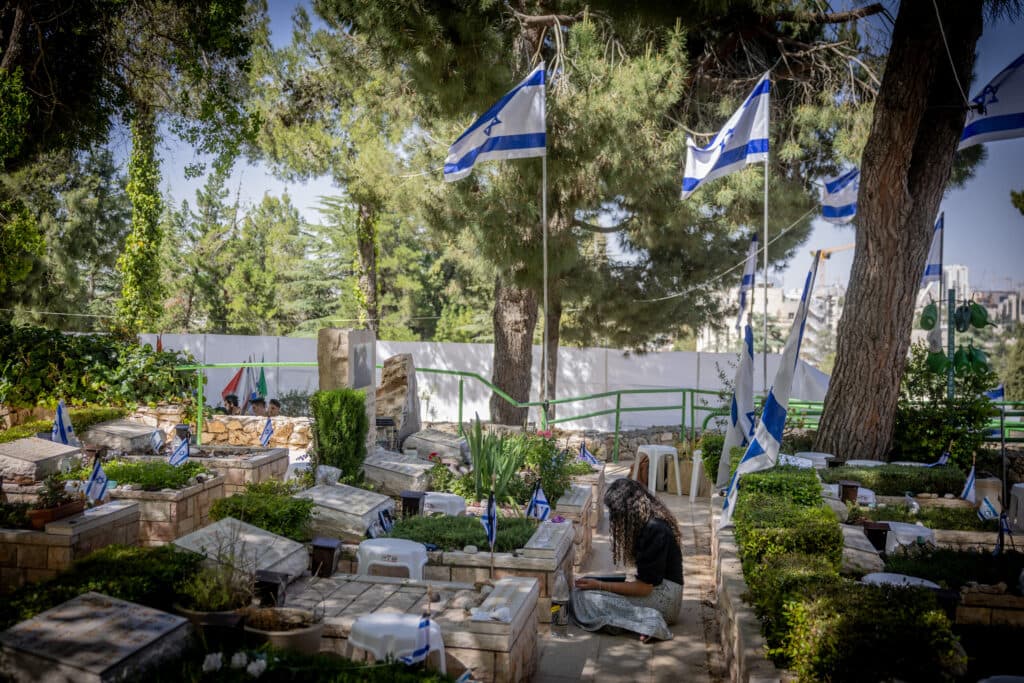
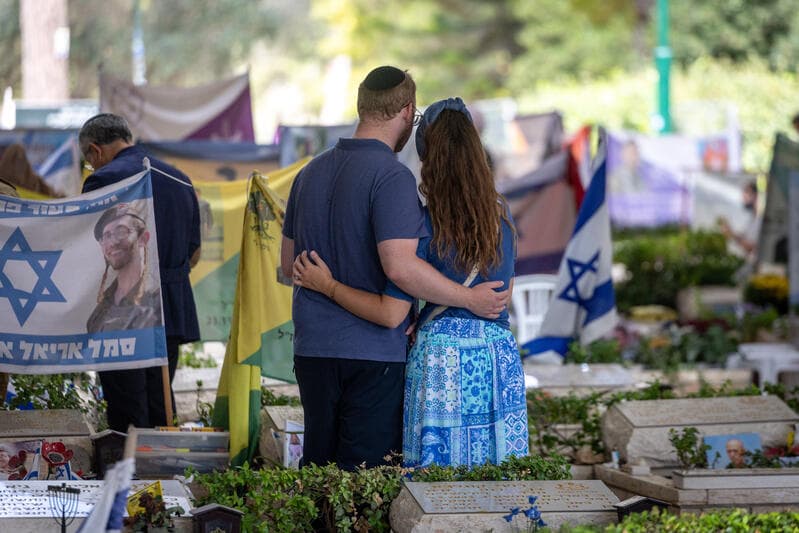
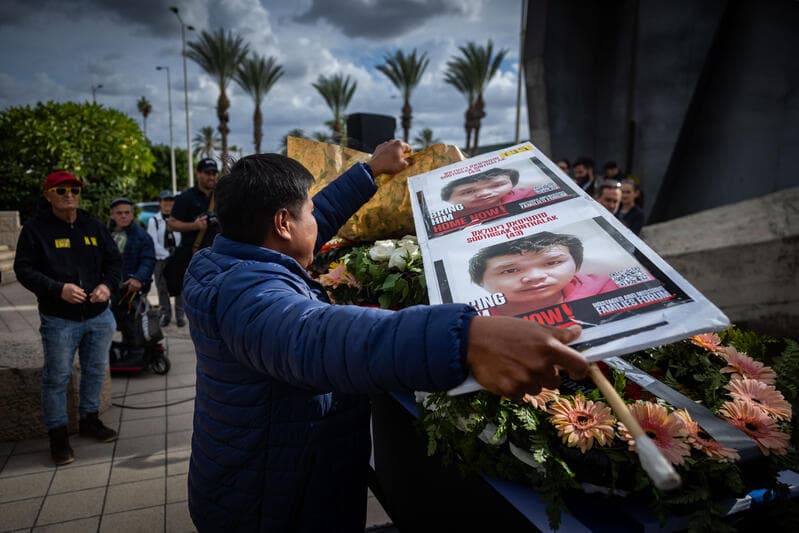
Three years after October 7, Israel remembers the Zikim Beach victims murdered when Hamas terrorists reached Israel’s Mediterranean coast. Eighteen civilians appear on the government’s dedicated list of victims from the attack. They came from Ashdod, Ashkelon, Beersheba, Rahat, Arad and communities near the Gaza border.
The beach became one front in the wider Hamas assault that morning. Terrorists crossed from Gaza by sea while thousands of attackers breached Israel elsewhere by land. The IDF says Hamas forces reached the Zikim area as part of a combined land and maritime assault.
Proverbs 10:7 says, “The memory of the righteous is for a blessing.” Three years later, remembrance requires more than recalling the scale of October 7. It means preserving the names of the people whose lives ended in individual homes, roads, festivals and places such as Zikim Beach.
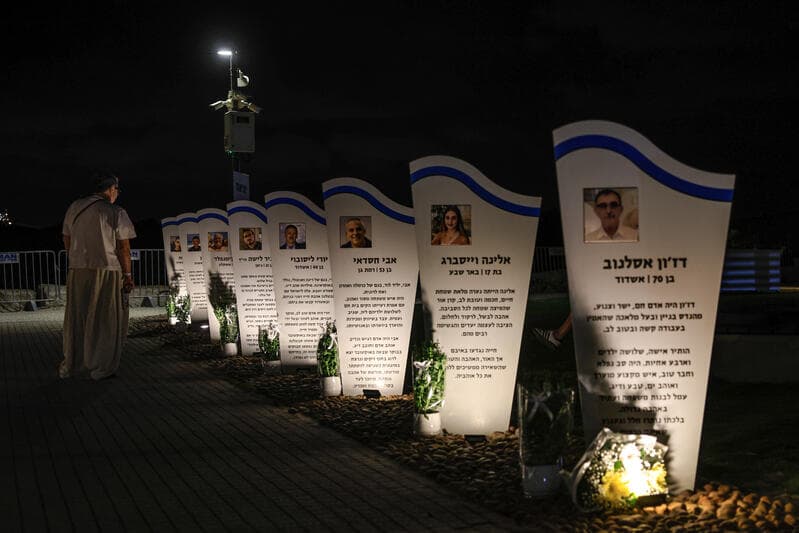
Zikim Beach Victims Remembered by Name
Eliyahu Uzan, 40, of Ashdod and Arieh Uzan, 66, of Moshav Gilat were among those murdered at Zikim Beach. Abed AlRahman Aatef Elziadna, 29, of Rahat also died there. John Esselnov, 70, of Ashdod and Benny Gennish, 70, of Ashkelon were also killed.
The victims included teenagers. Alina Weissberg, 17, of Beersheba died in the attack. Hamas terrorists also murdered Nadav Yosef Hai Taib, 17, of Moshav Beit Shikma. Shachaf Kreif, 17, of Moshav Gilat and Tal Keren, 17, of Moshav Netiv HaAsara also lost their lives.
Or Tasa, 16, of Moshav Netiv HaAsara was the youngest person on the government list. He had gone to Zikim Beach that morning before Hamas terrorists reached the area. Reporting on his family later documented that his father, Gil Tasa, was also murdered that day in Netiv HaAsara.
Vladimir Zhukov, 63, of Ashkelon was another victim. Reporting later described him as a family man who had gone to Zikim Beach to fish. Hamas terrorists who reached the beach shot civilians and attacked people sheltering nearby.
The government list also names Avi Hasdai, 53, of Ramat Gan and Vitali Logvinchenko, 34, of Ashkelon. Yuri Lisuboy, 63, and Svetlana Lisuboy, 61, both of Ashdod, were killed as well. Yulia Chaban, 24, of Arad and Daniel Kimmenfeld, 64, of Ashkelon also died in the attack.
Robert Shaulov, 70, of Ashdod completes the group of 18 civilians listed by the government under the Zikim Beach attack victims. Their ages ranged from 16 to 70. Their hometowns stretched across southern and central Israel.
Terrorists Came From the Sea
Zikim Beach sits near Kibbutz Zikim and only a short distance from the Gaza border. Hamas used the coastline as one route into Israel on October 7. The IDF says some attackers traveled toward the Zikim area by boat while other forces crossed the border elsewhere.
Later IDF investigations reconstructed the fighting in greater detail. According to reporting on those probes, terrorists landed at Zikim Beach and moved inland toward nearby Israeli positions and communities. Civilians on the beach found themselves inside an unfolding battlefield.
The fighting did not stop at the shoreline. Members of Kibbutz Zikim’s security team took defensive positions after receiving warning of a seaborne infiltration. They later confronted terrorists moving toward the community.
Nearby IDF forces also fought Hamas attackers at military positions around Zikim. An IDF investigation later found that commanders at the Zikim training base fought to protect more than 100 young recruits. Seven soldiers died during the battle, while Hamas failed to capture the base.
The attack showed how quickly October 7 crossed the boundaries between civilian and military spaces. A public beach, nearby communities and military installations all became part of the same assault within hours.
One National Memory, Three Years Later
The Zikim victims form one part of a much larger national record. This memorial series also remembers civilians murdered elsewhere on October 7, foreign nationals, Nova festival victims and those killed later during the war.
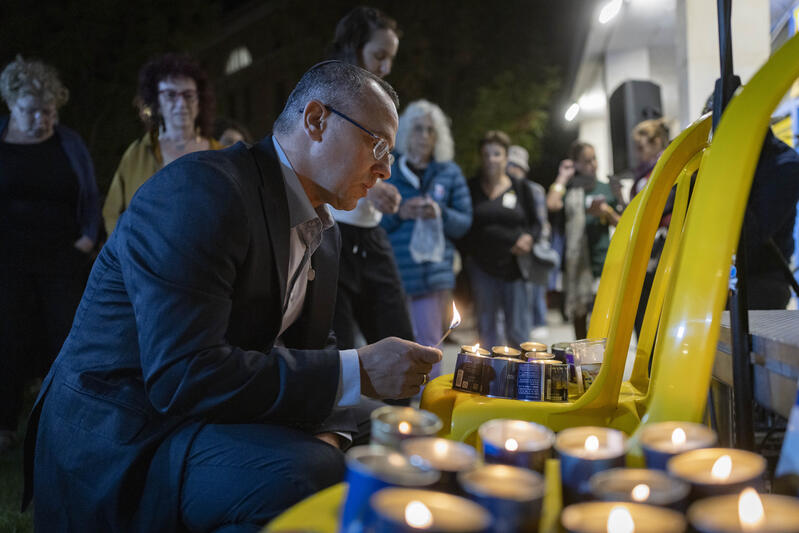
That wider remembrance includes the northern front. In “Northern Israel Victims: Three Years After October 7,” the focus shifts to civilians killed by Hezbollah rocket and anti-tank missile attacks during the Swords of Iron War. Together, the two stories show how the consequences of October 7 spread from the Gaza border to communities across Israel.
The Zikim attack also carries significance for the United States. Washington has formally designated Hamas as a Foreign Terrorist Organization since 1997. The maritime assault at Zikim therefore belongs to a broader history of attacks against civilians by an organization the United States has treated as a terrorist group for decades.
For Israel, Zikim also represents the basic security challenge behind Jewish sovereignty. A sovereign state must be able to defend families, beaches, towns and border communities from armed infiltration. October 7 exposed catastrophic failures in that protection, while the fighting at Zikim also recorded acts of resistance by local defenders and Israeli forces.
Memory as a Covenant of Responsibility
Israel’s covenantal mission before God gives remembrance a national purpose. Jewish memory does not treat the dead as an anonymous total. Names, families and communities matter because each life carries value, and sovereignty carries an obligation to defend those lives.
America’s covenantal tradition developed through another national story. Yet its commitment to liberty and opposition to terrorism creates a parallel responsibility. Partnership with Israel therefore concerns more than military cooperation. It also concerns the defense of civilians against organizations that deliberately bring violence into civilian spaces.
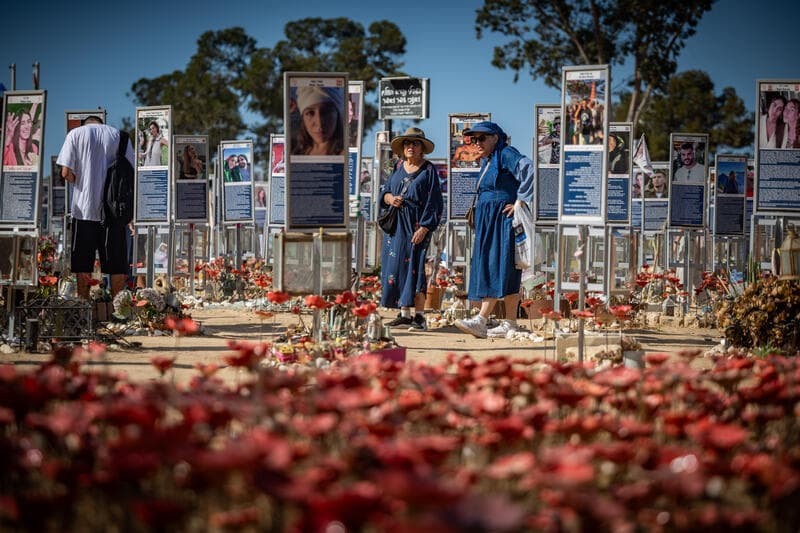
Three years after October 7, the memorial at Zikim Beach gives physical form to that responsibility. Eighteen names stand where statistics might otherwise take their place. Remembering them keeps the story of October 7 rooted in the people who were there and the lives that never continued beyond that morning.
For more stories on Israel, faith, and the values behind the headlines, follow Sinai on Facebook and Instagram.
Discussion0
No comments yet — be the first to share your thoughts.