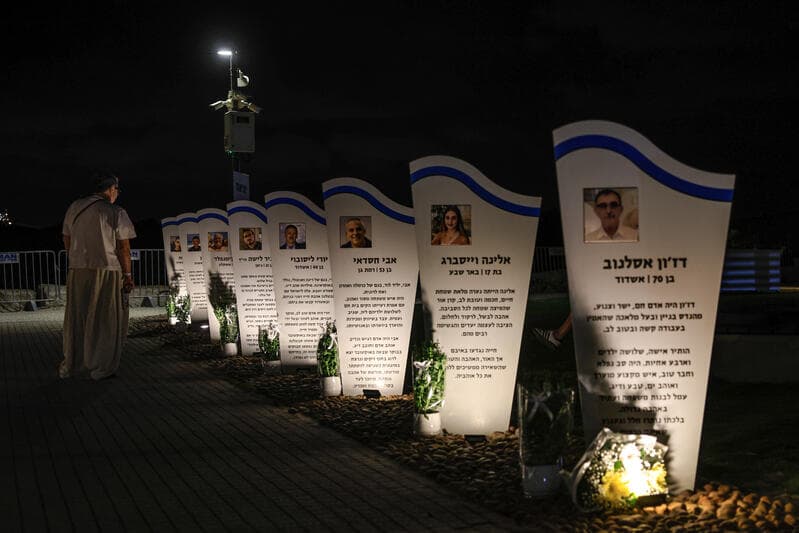
Israeli Civilian Casualties: Three Years After October 7
Three years after October 7, Israel remembers civilians killed across the country during the Hamas massacre, hostage crisis and wider Swords of Iron War
Sinai Desk
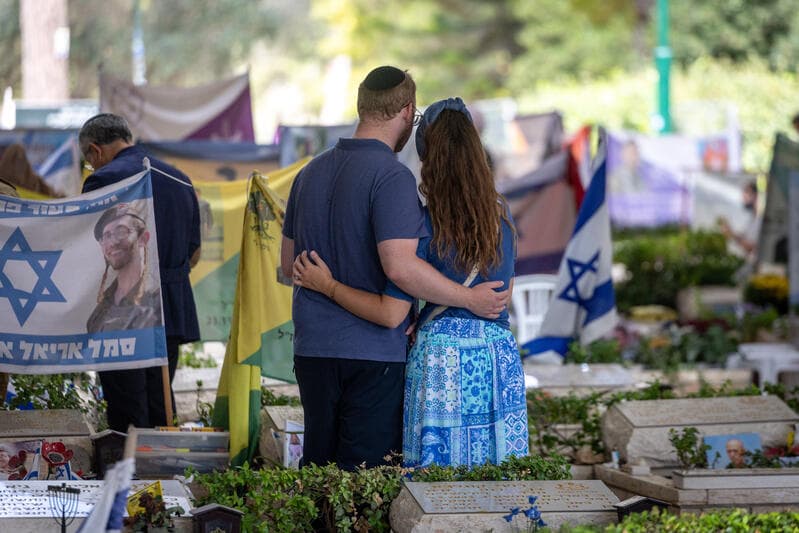
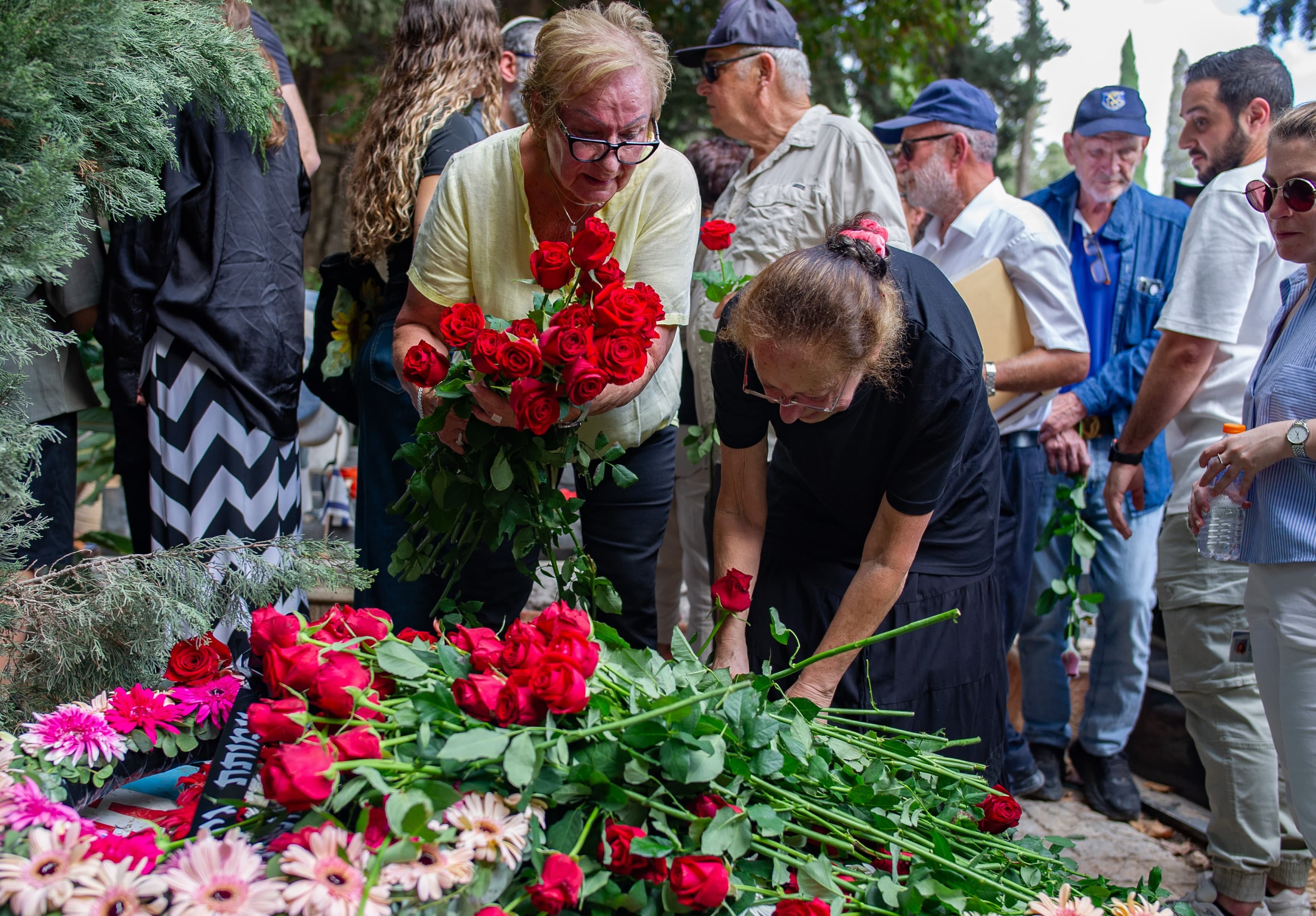
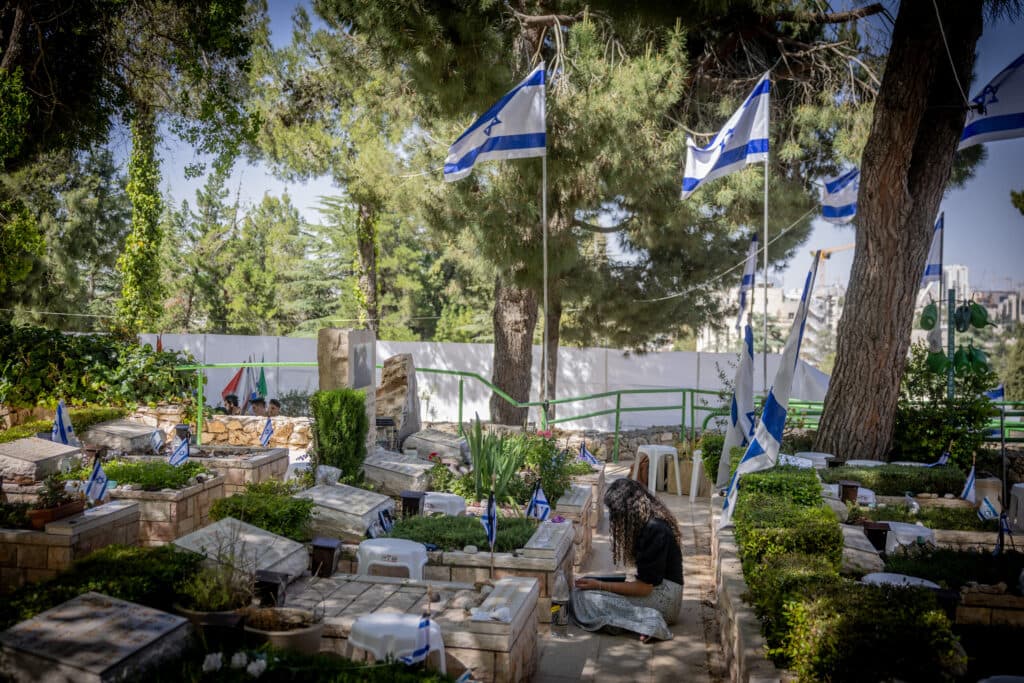
Three years after October 7, Israel remembers the Israeli civilian casualties of the Swords of Iron War. The government’s casualty record stretches from the Gaza border communities to Sderot, Ofakim, Ashkelon, the Nova festival, Zikim Beach and the northern border.
The list includes infants, children, parents, grandparents, foreign workers and elderly residents. Some were murdered inside their homes. Others died while fleeing, working, rescuing strangers or defending their communities. Still others were abducted into Gaza and later killed in captivity.
Psalm 34:19 says, “The Lord is near to the brokenhearted.” Three years later, that verse speaks to a country whose loss cannot be reduced to one battlefield or one community. The civilian toll became a national wound, yet each name still represents one family and one life.
Israeli Civilian Casualties Across the South
Many of the dead came from the communities Hamas attacked directly on October 7. In Kibbutz Be’eri, entire families lost relatives inside their homes. In Kfar Aza, Nir Oz, Nahal Oz and other border communities, terrorists killed civilians during the first hours of the assault.
The government record includes victims of all ages. Mila Cohen was only 10 months old when Hamas terrorists murdered her in her home in Kibbutz Be’eri. Noya Dan, 12, was murdered in Kibbutz Nir Oz. The Siman Tov family lost Tamar, Yehonatan and their young children Arbel, Shachar and Omer inside their home.
The Kutz family also suffered catastrophic loss in Kfar Aza. Hamas terrorists murdered Aviv and Livnat Kutz and their children Yonatan, Yiftah and Rotem in their home. Other families across Be’eri, Nir Oz and Nahal Oz faced similar devastation.
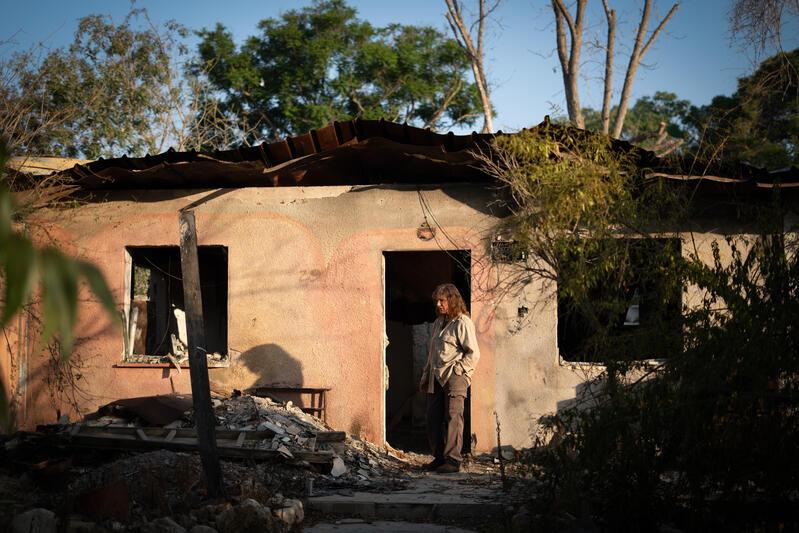
Civilians also died in Sderot and Ofakim as gunmen entered the cities. Others died from rockets fired from Gaza. The government list records victims in Ashkelon, Netivot, Abu Ghosh and Bedouin communities in the south.
Some died while trying to save others. Mussa Abu Sebila was murdered in Sderot while attempting to rescue fellow citizens. Eliad and Moshe Ohayon died in Ofakim while taking part in rescue efforts. Rephael Ariel Guri died while fighting attackers in defense of his city.
From Nova and Zikim to Hamas Captivity
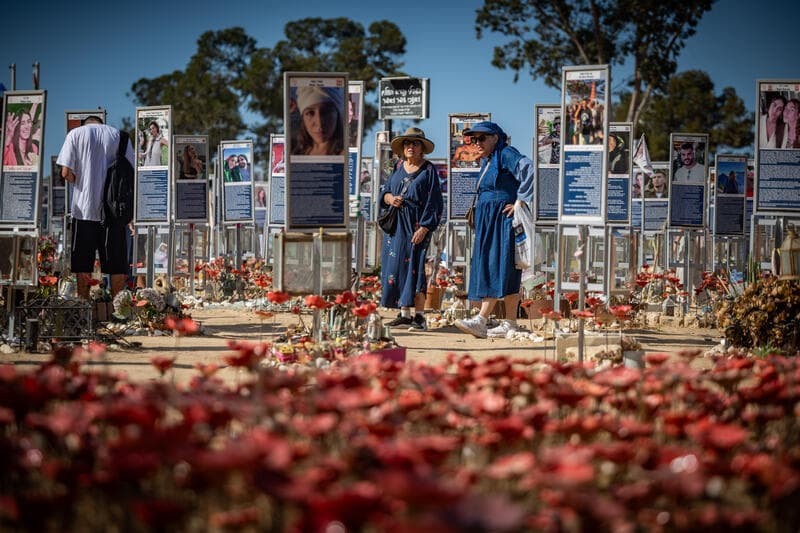
The civilian toll extended far beyond homes and towns. Hundreds of people attending the Nova Music Festival were murdered. Others were abducted from the festival and later killed in Gaza.
That part of the story was examined in “Nova Music Festival Victims: Three Years After October 7,” which remembered more than 380 Nova victims and the survivors still living with the massacre’s aftermath.
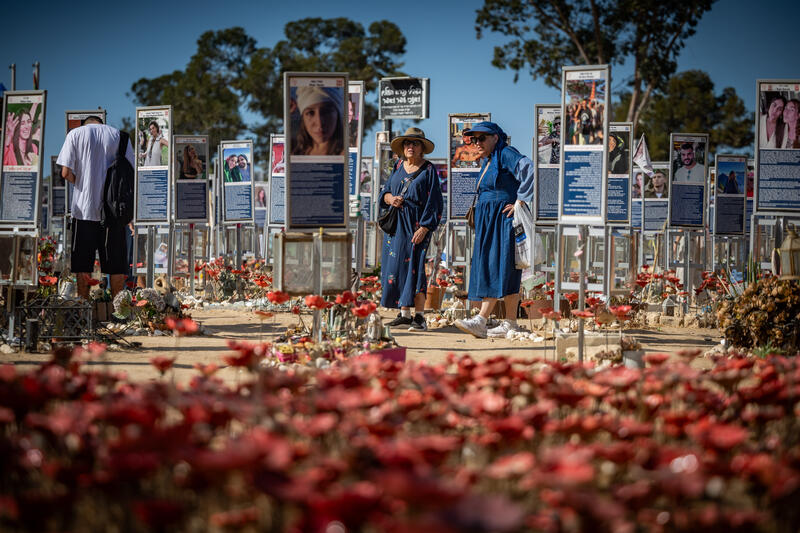
Other civilians died at Zikim Beach after Hamas terrorists reached Israel by sea. The government list includes teenagers, adults and elderly victims murdered there. Among them were Alina Weissberg, 17, Nadav Yosef Hai Taib, 17, Shachaf Kreif, 17, and Or Tasa, 16.
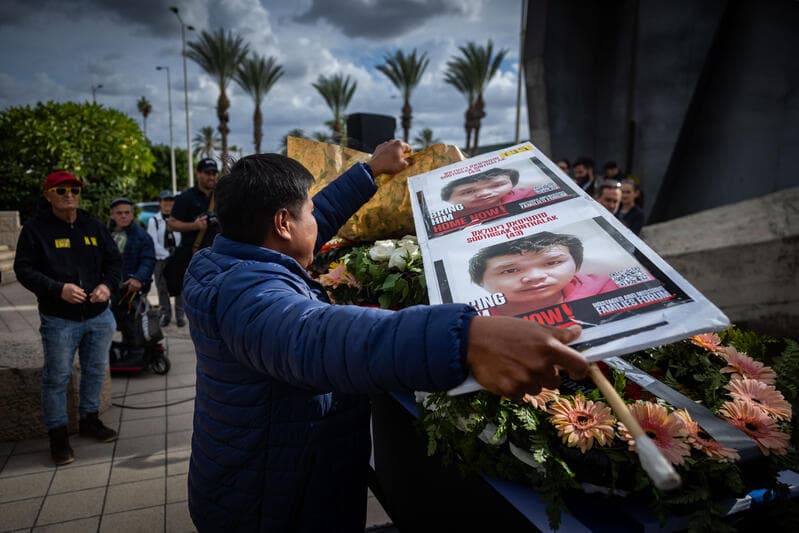
Dozens more civilians entered Gaza as hostages. Some survived and returned. Others died in captivity or were murdered there.
The Bibas family became one of the most recognized symbols of the hostage crisis. Hamas abducted Shiri Bibas and her children Ariel and Kfir from Kibbutz Nir Oz. The children were four years old and nine months old when terrorists took them. Their bodies returned to Israel in February 2025, followed by confirmation that Shiri had also been murdered in captivity.
Other older hostages also died after abduction. Oded Lifshitz, 84, was taken from Nir Oz with his wife Yocheved. Hamas released Yocheved, but Oded later died in captivity. Ohad Yahalomi, Tsahi Idan and Itzik Elgarat also returned to Israel for burial after hundreds of days in Hamas captivity.
The War Reached the Northern Border
The civilian cost did not end in southern Israel. Hezbollah opened a second front from Lebanon, exposing northern communities to rockets and anti-tank missiles.
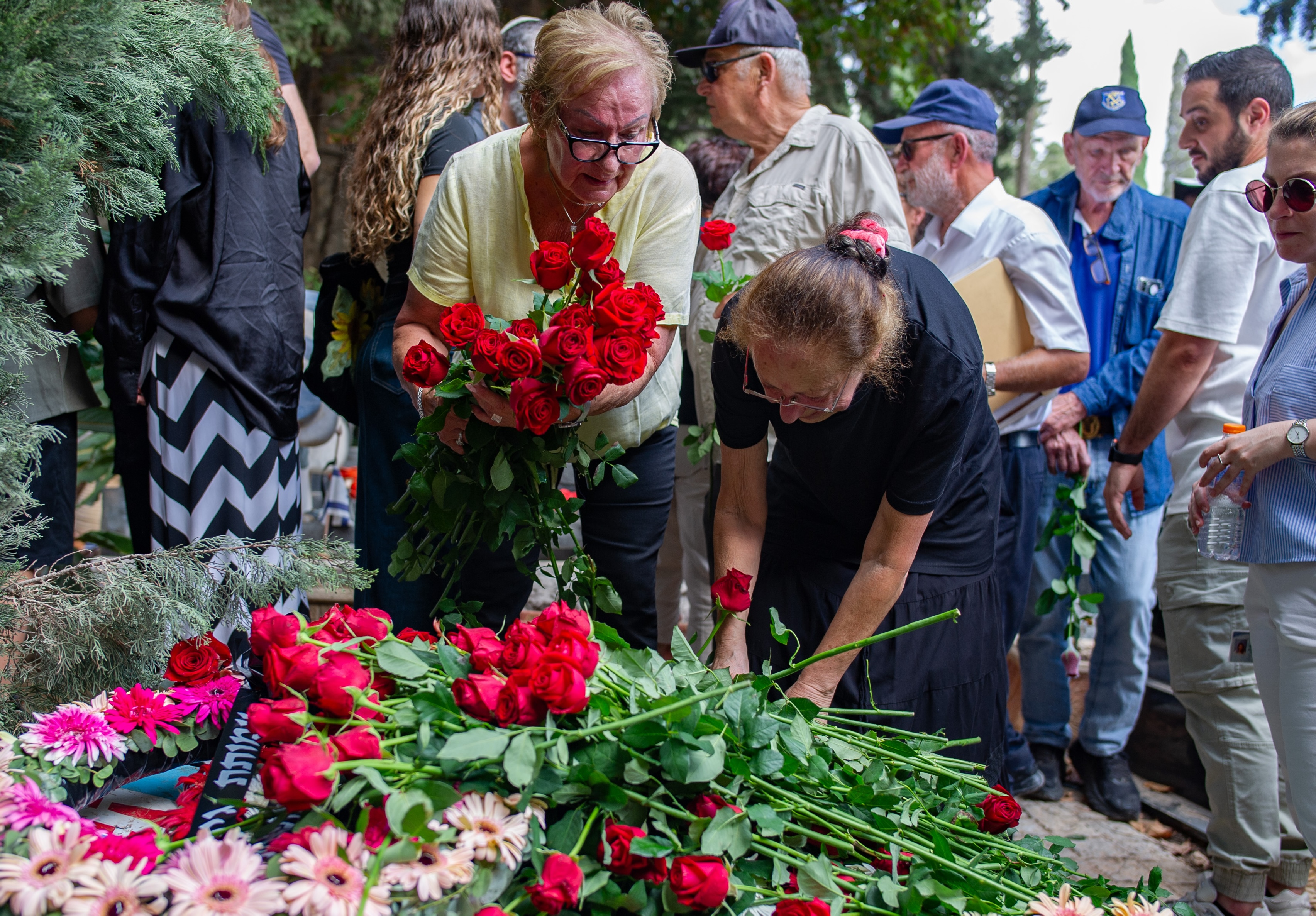
The government list records Mofid Alzir, 57, of Abu Snan, who died in an anti-tank missile attack in northern Israel. Meir Moyal, 55, of Kiryat Shmona also died from anti-tank fire. Shalom Abudi, 56, an Israel Electric Corporation employee from Tiberias, was killed near the northern border.
The northern victims included Jews, Muslims, Druze, Bedouins and foreign agricultural workers. Their deaths showed how the war expanded after October 7 and how Iran-backed Hezbollah created a second civilian front.
That broader geography also matters to the United States. Hamas and Hezbollah both appear on the U.S. list of Foreign Terrorist Organizations. Washington’s support for Israel has therefore included hostage diplomacy, military assistance and efforts to contain a wider regional war.
A Covenant to Defend Life and Preserve Memory
Israel’s covenantal mission before God places the defense of Jewish life at the center of sovereignty. Yet the civilian casualty record also includes Arab citizens, foreign workers and visitors who died alongside Jews. Protecting the country therefore means protecting all those who live, work and seek safety within it.
America’s covenantal tradition has its own history and obligations. Its alliance with Israel reflects strategic interests, but also a commitment to defend civilians against terrorism and hostage-taking. The events after October 7 tested that commitment across diplomacy, military cooperation and the effort to bring captives home.
Three years later, the casualty list remains difficult to absorb because of its scale. Yet remembrance requires resisting the urge to see only a number. Each entry records a person who belonged to a family, community or workplace before the war changed everything.
The names from Be’eri, Nir Oz, Kfar Aza, Sderot, Ofakim, Nova, Zikim and the northern border belong to one national story. Remembering Israeli civilian casualties is part of Israel’s responsibility to the dead and to those who survived.
For more stories on Israel, faith, and the values behind the headlines, follow Sinai on Facebook and Instagram.
Discussion0
No comments yet — be the first to share your thoughts.