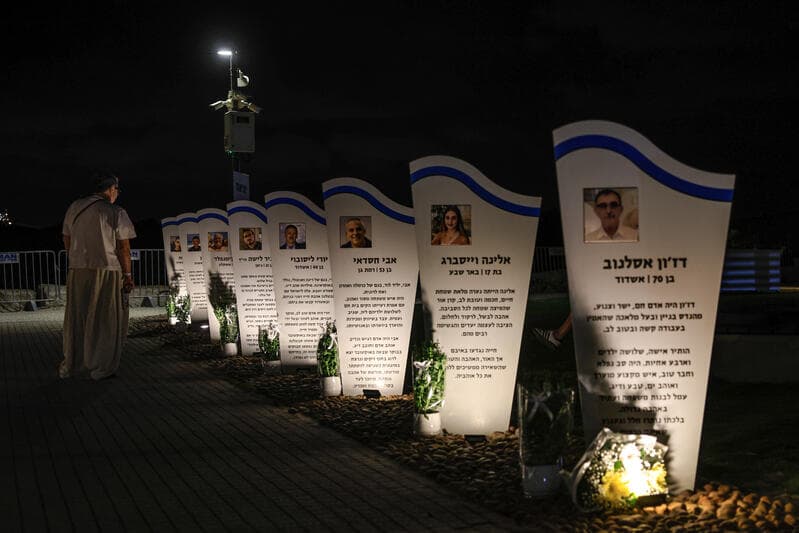
Nova Music Festival Victims: Three Years After October 7
Three years after October 7, Israel remembers more than 380 Nova Music Festival victims and the survivors still living with the massacre’s aftermath
Sinai Desk
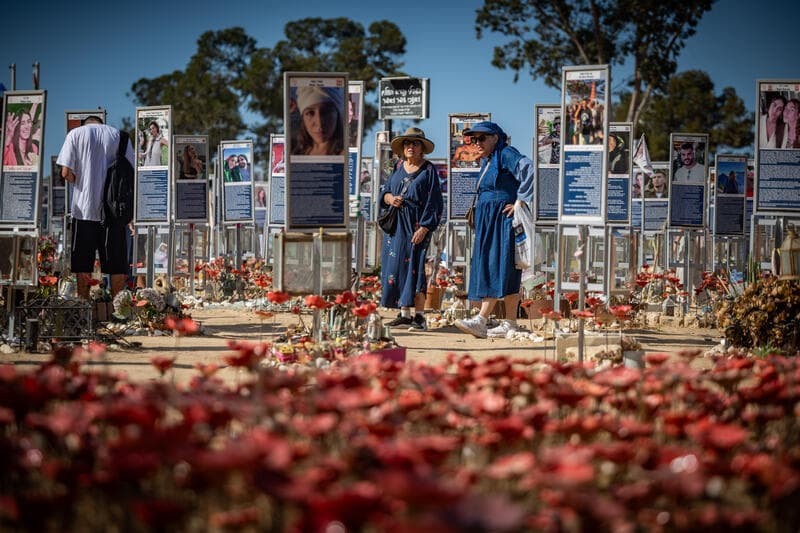
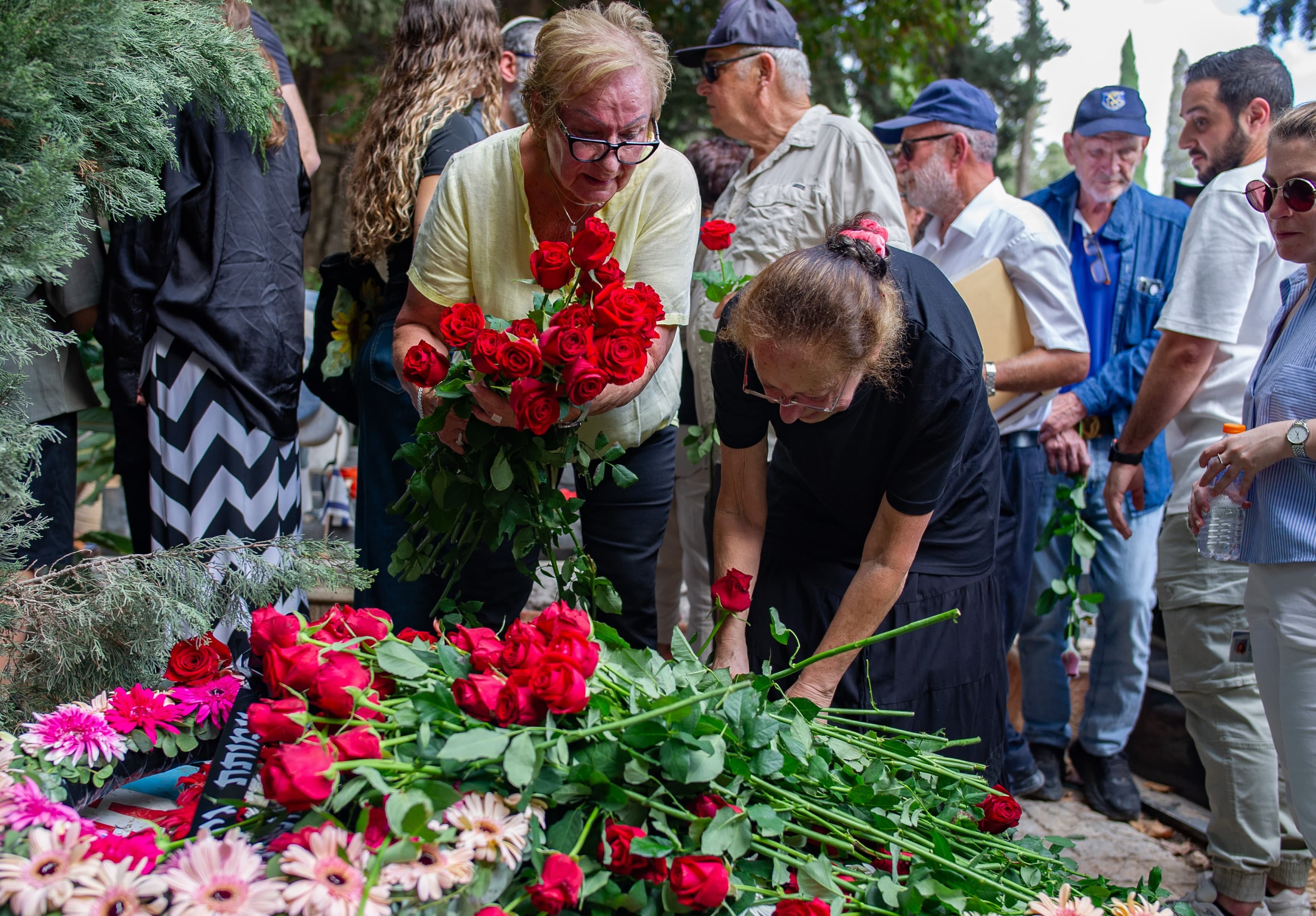
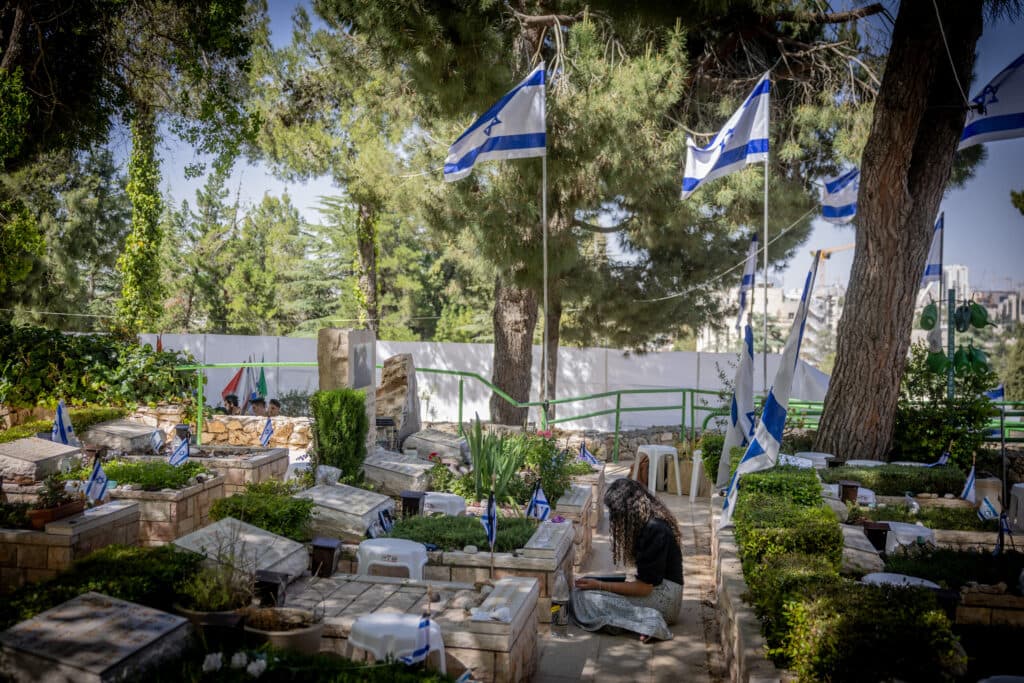
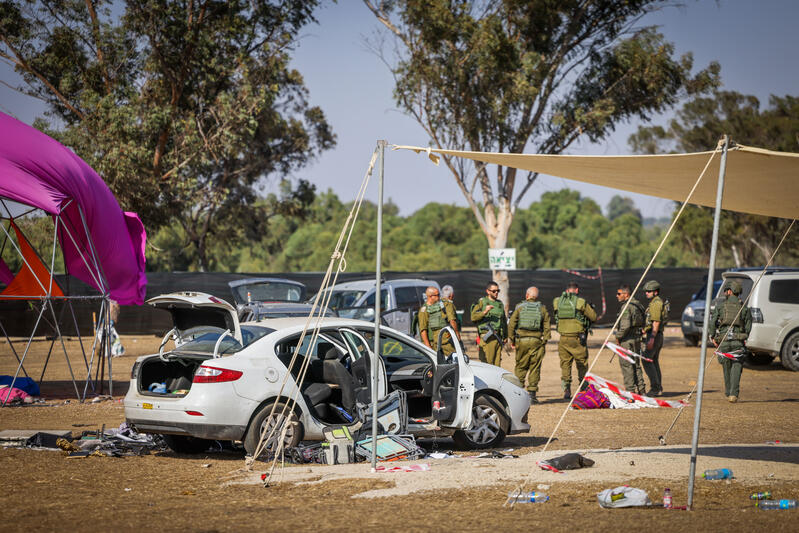
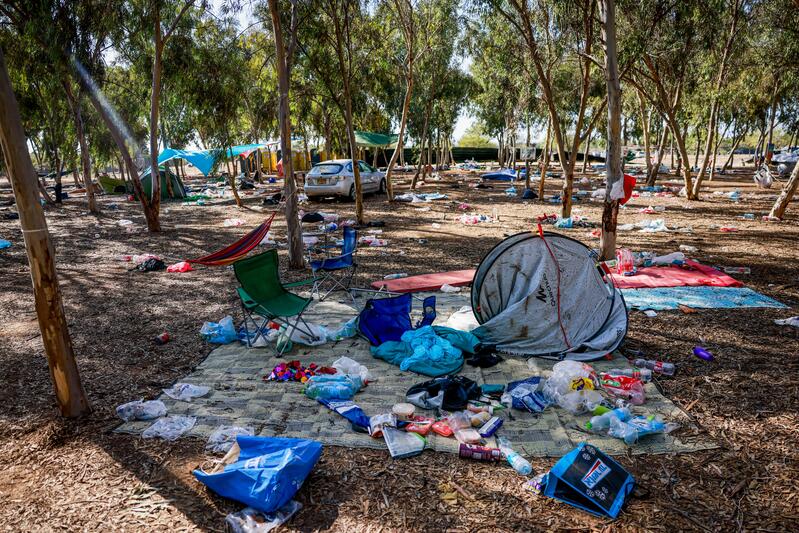
Three years after October 7, Israel remembers the Nova Music Festival victims murdered during the Hamas-led terrorist attack near Kibbutz Re’im. Hundreds of young people had gathered for music, dancing and celebration when the assault began. More than 380 festivalgoers were murdered, according to Israeli victim records, while dozens were ruthlessly abducted into Gaza.
The victims came from cities, kibbutzim and towns across Israel. They included Jews, Bedouins, foreign nationals, young adults and parents. Some died while trying to escape. Others turned back to rescue friends, strangers or wounded festivalgoers.
Ecclesiastes 3:4 speaks of “a time to weep, and a time to laugh; a time to mourn, and a time to dance.” At Nova, those opposites collided with devastating force. A place built around music and dancing became one of the central sites of the October 7 massacre.
Nova Music Festival Victims Remembered by Name
The government’s list stretches across hundreds of names. Inbar Haiman, 27, of Haifa was murdered at the festival and her body was abducted to Gaza. Her remains stayed there until October 15, 2025, when they returned to Israel under the October agreement.
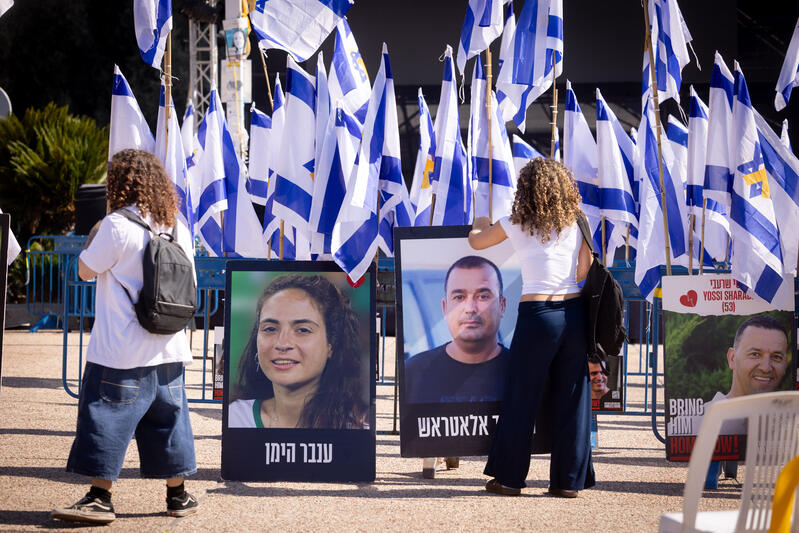
Uriel Baruch, 35, of Givon was abducted from Nova and later killed in captivity. Guy Ilouz, 26, of Tel Aviv suffered the same fate. Idan Shtivi, 28, of Tel Aviv was initially believed to have entered Gaza alive. Authorities later determined that terrorists killed him during the initial attack and abducted his body.
Other hostages endured hundreds of days in captivity before their deaths. Ori Danino, 25, had tried to help others escape before Hamas terrorists abducted him. Alexander Lobanov, 32, a married father of two who worked as a bar manager, also helped people flee before his capture. Almog Sarusi, 27, stayed with his wounded girlfriend before terrorists abducted him. Israeli forces recovered all three bodies in August 2024.
Hersh Goldberg-Polin, 23, an American-Israeli from Jerusalem, was abducted after suffering severe injuries during the attack. He survived for more than 300 days in captivity before his murder. Eden Yerushalmi, 24, a Pilates instructor working as a bartender at Nova, also survived months in captivity before terrorists murdered her.
Others were murdered during the initial assault and their bodies taken into Gaza. Shani Louk, 22, was among the most widely recognized victims. Israeli forces recovered her body in May 2024. Amit Buskila, 28, and Itzhak Gelernter, 57, were also murdered at Nova and taken into Gaza before their remains returned to Israel.
Rescue Attempts Became Acts of Courage
The victim list also records people who died while helping others. Elyakim Libman, 24, worked as a security guard at the festival. He helped evacuate partygoers before terrorists murdered him. Authorities initially believed Hamas held him hostage before identifying his remains in Israel months later.
Shmil Abasov, 33, of Beersheba was murdered while trying to rescue festivalgoers. Bedouin paramedic Awad Darawshe, 25, of Iksal remained at the festival to help the wounded and died there. Abed AlKarim AlAnsasra, 53, of Kuseife and Suheib Abu Amar ElRazam, 22, of Jerusalem also died while taking part in rescue efforts.
Mark Peretz, 51, was killed near Sa’ad Junction while trying to reach his daughter at Nova. Eli Refai, 42, of Yavne also died while attempting to rescue his sister. Their stories form part of the wider record of people who moved toward danger because someone they loved was still inside it.
The massacre also reached families together. Arik Peretz, 58, of Kiryat Haim and his daughter Ruth Hodaya Peretz, 17, were murdered at Nova. Gal Abdush, 34, and Naji Abdush, 35, of Kiryat Ekron also appear together on the government’s list.
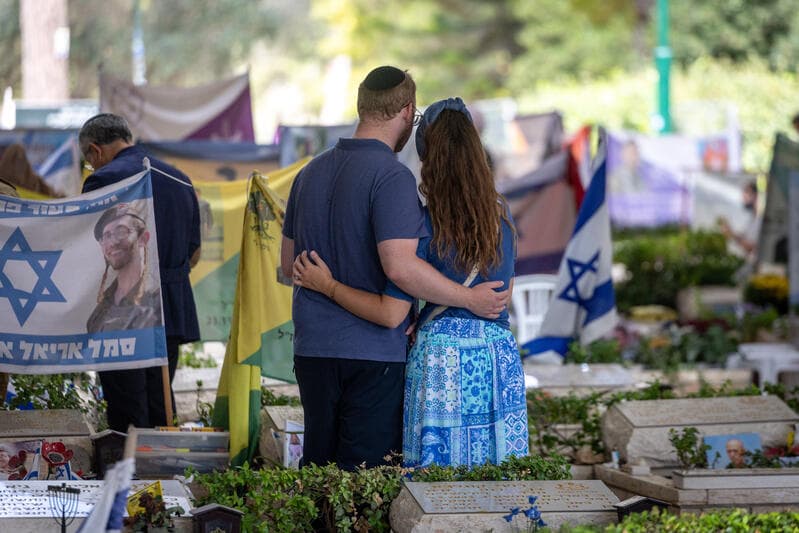
The names show why casualty numbers alone cannot carry the memory. Each entry represents a separate life, family and unfinished future. The government record includes teenagers, young couples, parents, workers and people who had simply come to dance.
Survival Did Not End on October 7
Around 3,800 people survived the festival attacks, according to testimony from the Ministry of Welfare presented to the Knesset in April 2024. Yet survivors told lawmakers that escaping the massacre did not end their ordeal. Many described anxiety, flashbacks, survivor’s guilt and difficulty returning to ordinary life.
Naama Eitan told the State Control Committee that silence could return her mentally to the massacre. Or Nasa described long waits for psychological treatment. Yuval Raphael recalled hiding among bodies inside a roadside shelter to survive. Guy Ben Shimon described friends who struggled to leave bed and said he suffered from anxiety and flashbacks.
The Knesset discussion also exposed pressure on Israel’s mental-health system. Officials said about 1,700 survivors had received anxiety treatment by that point. Hundreds more had contacted NATAL and the National Resilience Center. The Health Ministry acknowledged long wait times while describing new dedicated clinics and programs for festival survivors.
The State Comptroller’s Office said it was examining psychological treatment, emergency preparedness and legal recognition for October 7 victims. It also reviewed the licensing and security arrangements surrounding the festivals. Lawmakers from the opposition sharply criticized the state’s handling of survivors, while government agencies outlined the assistance they had already provided.
That debate underscored another part of remembrance. Honoring the murdered also means recognizing the people who survived beside them and continue carrying what happened.
From Nova to a Global October 7 Memory
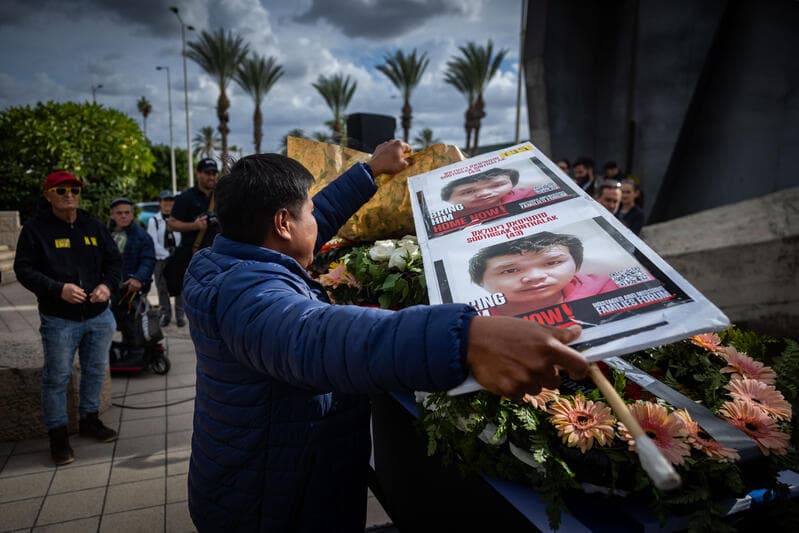
This memorial series also records how far the massacre reached beyond the festival grounds. In “Foreign Victims: Three Years After October 7,” we remembered workers, students, caregivers and tourists among victims representing 52 nationalities. Nova itself included foreign and dual-national victims, including Canadian Alexandre Look and British national Jake Marlo.
That international dimension matters to Washington as well as Jerusalem. Hersh Goldberg-Polin’s American-Israeli identity made the hostage crisis especially immediate for many Americans. Other victims had ties to Canada, Britain, Mexico, France and countries around the world. October 7 therefore became both an Israeli national trauma and an international terrorism case.
Israel’s covenantal responsibility before God includes remembering the dead by name and defending the living who remain. Nova sharpens that obligation because the victims gathered for ordinary human joy, not battle. Sovereignty means creating a country where Jews and all who live among them can gather, celebrate and return home safely.
America’s covenantal tradition approaches the issue through its own history of liberty, human dignity and opposition to terrorism. Supporting Israel after attacks on civilians therefore concerns more than strategic partnership. It also concerns whether free societies will remember victims clearly and stand against groups that intentionally attack civilian life.
Three years later, Nova remains one of the defining sites of October 7. The music stopped that morning, but the names remain. So do the survivors, families and communities still rebuilding lives around an absence that cannot be repaired.
May the Nova Music Festival victims memory be a blessing.
For more stories on Israel, faith, and the values behind the headlines, follow Sinai on Facebook and Instagram.
Discussion0
No comments yet — be the first to share your thoughts.