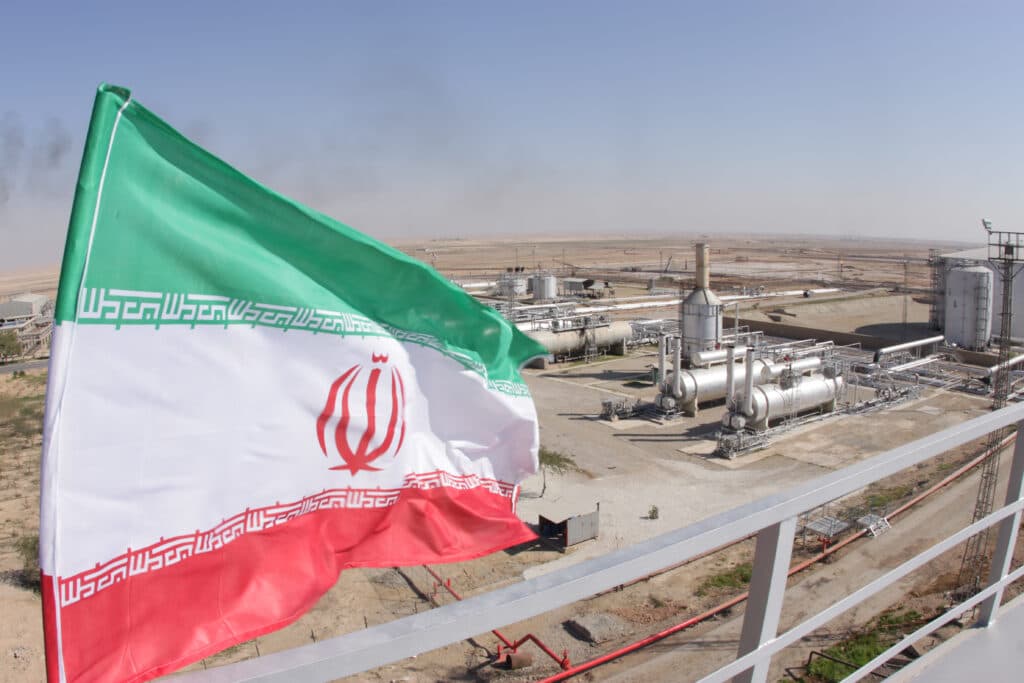
Iraq Oil Exports Shift Beyond Hormuz
Iraq moved 2 million barrels beyond Hormuz in a new export strategy aimed at reducing buyer risk, improving prices and diversifying future routes

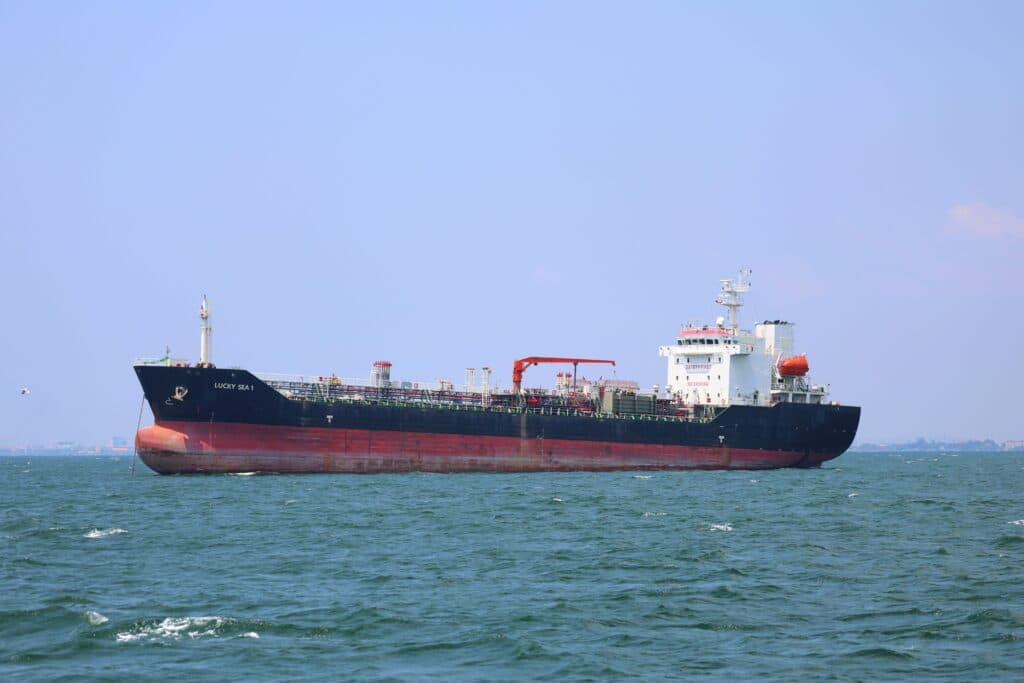
Iraq oil exports are entering a new phase as Baghdad takes greater control over moving its crude beyond the Strait of Hormuz. Iraq’s state tanker company arranged a very large crude carrier carrying 2 million barrels beyond the strategic waterway, marking its first such operation in decades.
Reuters reported that the Iraqi Oil Tankers Company handled the shipment itself rather than leaving transport entirely to foreign buyers. The change allows Iraq’s state marketer, SOMO, to offer crude at delivery points outside the Persian Gulf. That could make Iraqi barrels more attractive to refiners reluctant to send their own ships through Hormuz.
Ecclesiastes 11:2 advises, “Give a portion to seven, and also to eight; for thou knowest not what evil shall be upon the earth.” The principle is strikingly relevant to Iraq’s current strategy. When one route becomes vulnerable, resilience depends on having alternatives.
Iraq Oil Exports Move Beyond the Gulf
For decades, Iraq generally sold southern crude on a free-on-board basis from terminals near Basra. Buyers then arranged the tankers and assumed much of the shipping risk. The new operation shifts part of that responsibility back to the Iraqi state.
That matters because the Iran war has made access through Hormuz more expensive and unpredictable. Some refiners have demanded discounts before buying barrels exposed to the chokepoint. By delivering crude beyond Hormuz itself, Baghdad can reduce that concern and potentially secure stronger pricing.
Iraq is also seeking funds to expand its own tanker fleet. Officials say the goal is to restore greater national control over transportation rather than depending almost entirely on foreign shipping companies. The country relies on oil for at least 90% of state revenue, making export reliability a national economic issue.
The government is pursuing additional routes as well. Iraq recently began trucking southern crude north toward Kirkuk to strengthen exports through Turkey’s Ceyhan terminal. Baghdad has also explored land and pipeline options through Syria.
Hormuz Pressure Is Reshaping the Region
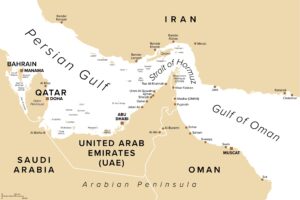
The move comes as Iran continues using the Strait of Hormuz as leverage in its confrontation with Washington. Tehran says the waterway will not fully reopen until a series of political, military and economic conditions are fulfilled. Yet Iraqi and other Gulf shipments continue moving through the strait despite the disruption.
That contrast also sharpens the picture described in “Iran Oil Exports Collapse as Rial Hits New Low.” Iran’s own oil trade has come under heavy pressure while neighboring producers search for ways to keep their barrels moving. Iraq’s latest shipment shows how countries exposed to Hormuz are adapting rather than waiting for Tehran and Washington to resolve their confrontation.
For the United States, that adaptation reduces Iran’s ability to use maritime disruption against regional economies. Stable Iraqi exports also matter to global energy markets and to Washington’s broader effort to prevent the war from destabilizing allied states.
Israel has a different but related interest. Tehran has long treated regional geography, proxies and chokepoints as sources of strategic pressure. Every alternative export route or shipping arrangement that reduces dependence on Iranian-controlled leverage narrows that pressure. At the same time, new routes through Syria would carry their own security implications and require careful regional coordination.
Economic Sovereignty Through Resilience
Iraq’s shift is therefore more than a shipping adjustment. It reflects a broader lesson of the current war: countries that depend on a single maritime corridor become vulnerable when that corridor turns into a battlefield.
Israel’s covenantal responsibility before God places sovereignty and the protection of national life at the center of statecraft. Economic resilience, secure trade and reliable supply routes are part of that responsibility during prolonged conflict.
America’s covenantal tradition developed differently, but it also places weight on free commerce, open navigation and national independence. U.S. support for secure maritime trade has long reflected the belief that economic freedom and strategic security reinforce one another.
For Iraq, the 2 million-barrel shipment represents an attempt to reclaim some control over both. Baghdad still depends heavily on Hormuz today, but it is clearly preparing for a future in which no single strait determines whether Iraqi oil can reach the world.
For more stories on Israel, faith, and the values behind the headlines, follow Sinai on Facebook and Instagram.
Discussion0
No comments yet — be the first to share your thoughts.