Erdogan Warns Against ‘Encircling’ Turkey as Israel Tensions Rise
Erdogan warned against efforts to “encircle” Turkey as tensions grow around Israel’s expanding defense ties with Greece and Cyprus

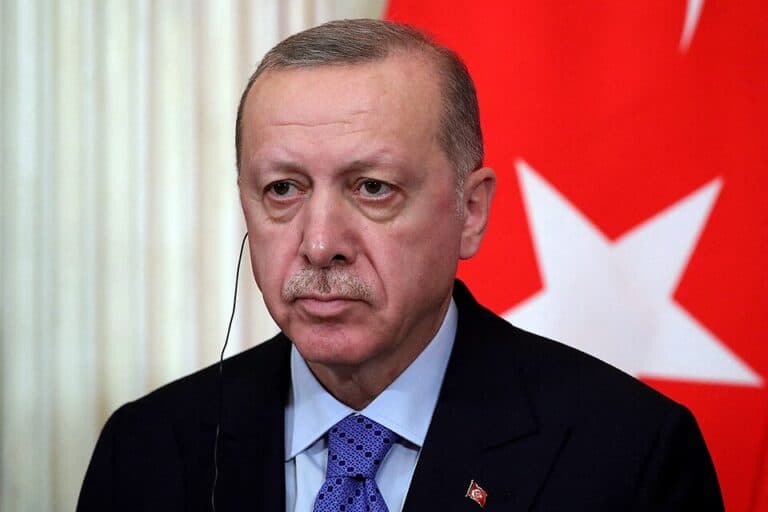
Turkish President Recep Tayyip Erdogan issued a new warning against what he described as efforts to “encircle” Turkey as regional tensions continue to rise. Speaking after a cabinet meeting on Monday, Erdogan said Ankara’s restraint should not be interpreted as weakness. His remarks came amid sharper friction involving Turkey, Israel, Greece, and Cyprus across the Eastern Mediterranean.
“We will not remain a bystander to the hostile steps in our region that are aimed at encircling our country,” Erdogan said. He insisted that Turkey seeks stability rather than confrontation, while warning that Ankara would defend its interests. The official Turkish transcript did not name Israel, Greece, or Cyprus in that specific passage. However, the remarks came against the backdrop of disputes involving all three countries.
Proverbs 11:14 says, “Where there is no guidance, a people falls, but in an abundance of counselors there is safety.” The verse fits a region where military power alone cannot prevent miscalculation. Israel must remain prepared, but strong alliances and clear communication are equally important when several militaries operate in overlapping spaces.
Erdogan Warning Comes as Israel-Greece Ties Deepen
The latest rhetoric follows a major expansion in Israeli-Greek defense cooperation. On August 31, Israel and Greece signed the approximately €3 billion “Achilles Shield” agreement. Israel will build Greece a nationwide, multi-layered air defense system using David’s Sling, SPYDER, BARAK MX, radars, and an integrated command network.
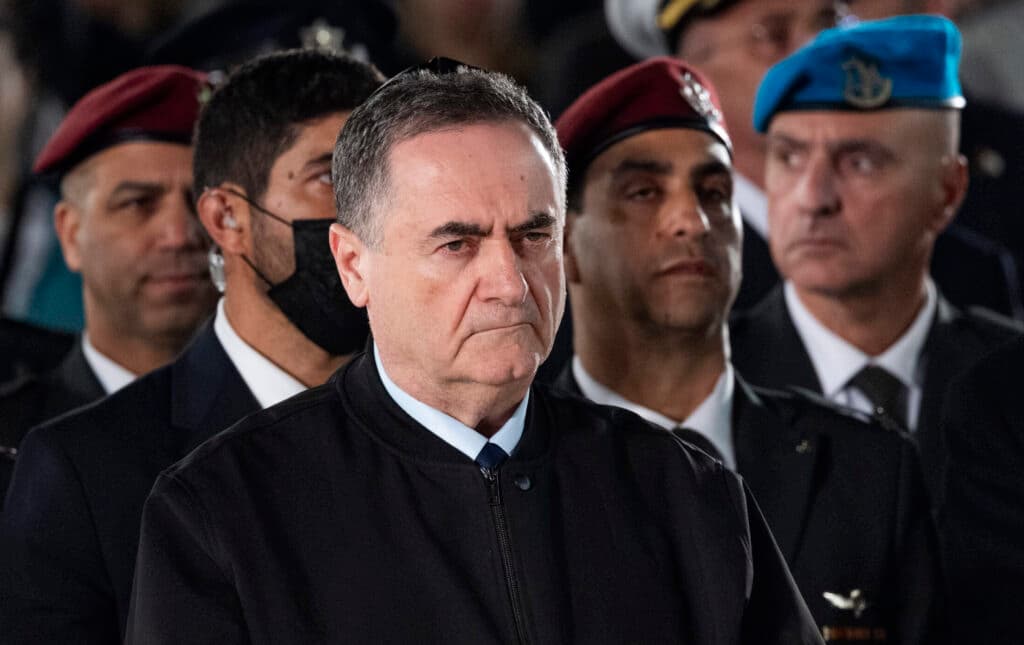
Israel’s Defense Ministry described Greece as a “key strategic partner in the Eastern Mediterranean.” Defense Minister Israel Katz said both countries share regional challenges and would continue strengthening cooperation. He also warned against actors with “hegemonic ambitions” seeking to expand their regional influence.
That expanding partnership provides important context for Erdogan’s concern about regional “encirclement.” Turkey has long disputed Greek and Cypriot positions on maritime rights in the Eastern Mediterranean. Ankara has also objected to arrangements involving Israel, Greece, and Cyprus when it believes Turkish or Turkish Cypriot interests are excluded.
The current tensions also build on developments examined in “Israel-Turkey Tensions Spread Across Syria and Mediterranean.” Turkish influence in Syria has expanded while Israel remains determined to prevent new military threats from taking root near its borders. At sea, Israel’s closer defense ties with Greece and Cyprus add another layer to the strategic competition.
Washington Has Interests on Both Sides
The United States has a particularly complicated role because Turkey is a NATO ally, while Israel remains one of Washington’s closest strategic partners. Greece is also a NATO member and a major U.S. security partner. Cyprus, meanwhile, has developed growing security cooperation with both Washington and Jerusalem.

American policy has explicitly supported the Israel-Greece-Cyprus partnership through the “3+1” format. U.S. officials have described that framework as a way to strengthen energy cooperation, regional security, and stability in the Eastern Mediterranean. Washington has also emphasized that maritime disputes should be settled peacefully and in accordance with international law.
That makes a direct confrontation among these regional players contrary to American interests. Washington benefits when Turkey remains anchored within NATO, but it also benefits from a strong Israel and closer cooperation among Israel, Greece, and Cyprus. American diplomacy therefore has to protect those partnerships without allowing disputes to become military crises.
For Israel, U.S. involvement offers another layer of strategic stability. Jerusalem does not need to abandon growing partnerships because Ankara objects to them. At the same time, clear American-backed communication can reduce the danger that Turkish and Israeli military activity in Syria or the Mediterranean produces an unintended clash.
Strength Without Surrendering Judgment
Israel and the United States have distinct covenantal histories before God, yet both traditions place value on national sovereignty and responsible strength. America’s political tradition joins liberty with ordered government and the defense of allies. Israel’s covenantal responsibility includes protecting Jewish sovereignty and ensuring that hostile powers cannot threaten Jewish life with impunity.
Those principles do not require Israel to accept Erdogan’s characterization of regional developments. Israel has every right to deepen defensive relationships with Greece and Cyprus. The Achilles Shield agreement strengthens allied air defense and also supports Israel’s own defense industry, production capacity, and strategic position.
At the same time, strength is most effective when it prevents war rather than makes one inevitable. Erdogan’s statement contains both warning and restraint. He said Turkey does not categorically oppose any country or society, even while insisting that Ankara will resist actions it views as hostile.
Israel should take the warning seriously without accepting its premise. Strong defense ties with Greece and Cyprus are not evidence that Israel is preparing to encircle Turkey. They are sovereign partnerships built around air defense, energy, security, and shared regional interests.
The United States has an interest in keeping that distinction clear. Turkey can defend its legitimate interests without threatening neighbors, while Israel can strengthen alliances without seeking confrontation with Ankara. The best outcome is a region where deterrence remains credible but military strength does not become a substitute for diplomacy.
Erdogan says Turkey will not sit on the sidelines. Israel has made equally clear that it will not weaken its alliances or compromise its security. The challenge now is ensuring that those positions remain competitive rather than becoming combustible.
For more stories on Israel, faith, and the values behind the headlines, follow Sinai on Facebook and Instagram.
Discussion0
No comments yet — be the first to share your thoughts.