Macron Backs ICC After Trump Calls for Withdrawal
Macron defended the International Criminal Court after Trump urged member states to leave, exposing a wider dispute over sovereignty and accountability

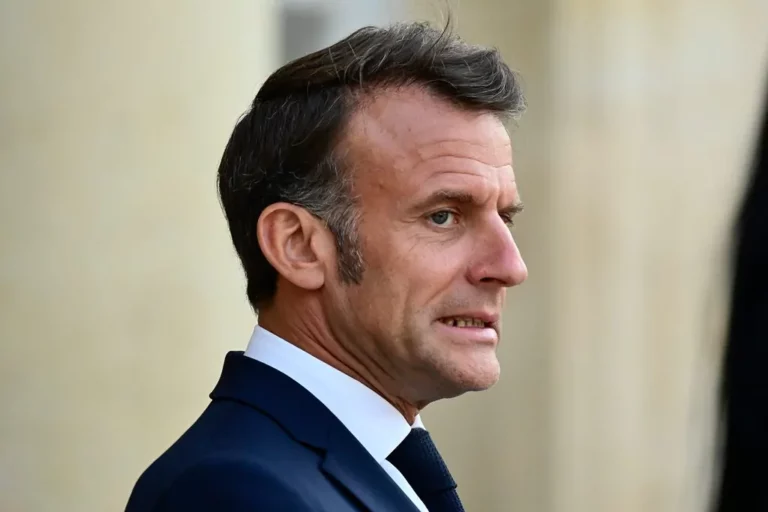
French President Emmanuel Macron backed the ICC after President Donald Trump used his UN General Assembly speech to urge member states to leave the court. Trump called the International Criminal Court an “out of control institution” and argued that it threatens American sovereignty. Macron answered by defending the court’s role in international justice.
“We will continue to support the International Court in The Hague and the central role it fulfills,” Macron said. He warned that France would not accept what he described as “a new world order of impunity.” The position follows France’s longstanding support for the ICC and its work against impunity.
Zechariah 8:16 says, “Speak ye every man the truth to his neighbour; execute the judgment of truth and peace in your gates.” The verse places justice beside truth and peace rather than treating any one of them as sufficient alone. The Trump-Macron divide raises that same difficult question on an international scale: who has the authority to deliver justice, and where should national sovereignty set the boundary?
Why Macron Backs the ICC
France is a member of the International Criminal Court and has consistently defended the institution. Paris argues that international courts provide accountability when national systems cannot adequately address genocide, war crimes and crimes against humanity. The ICC itself is independent of the United Nations, despite the dispute unfolding at the UN General Assembly.
Trump takes a sharply different view. The United States has never joined the ICC, and his administration argues that the court has overreached by pursuing citizens and officials from non-member countries. Washington’s current campaign also reflects objections to the ICC’s cases involving Israeli leaders and its earlier investigation concerning U.S. forces in Afghanistan.
The disagreement therefore reaches beyond personalities. Macron frames the ICC as a safeguard against impunity. Trump frames it as an institution capable of overriding legitimate national sovereignty and exposing Americans and allies to politically motivated prosecution.
Israel Sits at the Center of the Dispute
The debate has particular significance for Israel. The ICC’s arrest warrants against Israeli officials have become a central source of tension between Washington and The Hague. The Trump administration has pushed the court to abandon those warrants and has already sanctioned ICC judges and prosecutors.
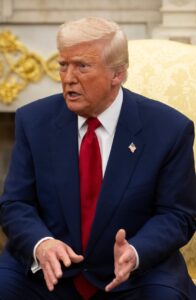
That background gives added context to “Trump UN Iran Speech: Deal or Escalation.” Trump’s UN address focused heavily on Iran, October 7 and American military power, but his criticism of the ICC showed another part of his foreign-policy approach. He presented international institutions as legitimate only when they do not, in his view, override American sovereignty or undermine U.S. allies.
France approaches the matter differently. Macron’s position reflects the European argument that international law needs institutions capable of applying it even when politically powerful governments object. Critics of that approach argue that the ICC can itself face questions over jurisdiction, consistency and accountability.
Sovereignty, Justice and Responsibility
American and Israeli political traditions both place heavy emphasis on national sovereignty, self-defense and responsibility before God. Their modern governments also maintain domestic legal systems intended to hold officials and soldiers accountable. Washington and Jerusalem have therefore argued that international institutions should not substitute themselves for functioning national courts without a clear legal basis.
At the same time, the biblical tradition shared across both societies treats justice itself as a serious obligation. That creates the central tension behind the ICC debate. Sovereignty cannot simply mean freedom from accountability, while international accountability also requires clear jurisdiction, consistent standards and judicial independence.
The dispute between Trump and Macron reflects two competing approaches to that balance rather than a disagreement over whether grave crimes deserve accountability. Trump emphasizes national jurisdiction and sovereignty. Macron emphasizes an international court designed to act when domestic justice fails.
As Macron backs the ICC and Trump urges countries to abandon it, Israel remains one of the cases shaping that wider confrontation. The debate will continue to test where international justice ends and national sovereignty begins, particularly when the governments involved fundamentally dispute the court’s authority.
For more stories on Israel, faith, and the values behind the headlines, follow Sinai on Facebook and Instagram.
Discussion0
No comments yet — be the first to share your thoughts.