Israel Closes British Consulate After Settlement Sanctions
Israel will close Britain’s Jerusalem consulate, end UK security roles, and bar 12 British figures after London imposed sanctions targeting settlements


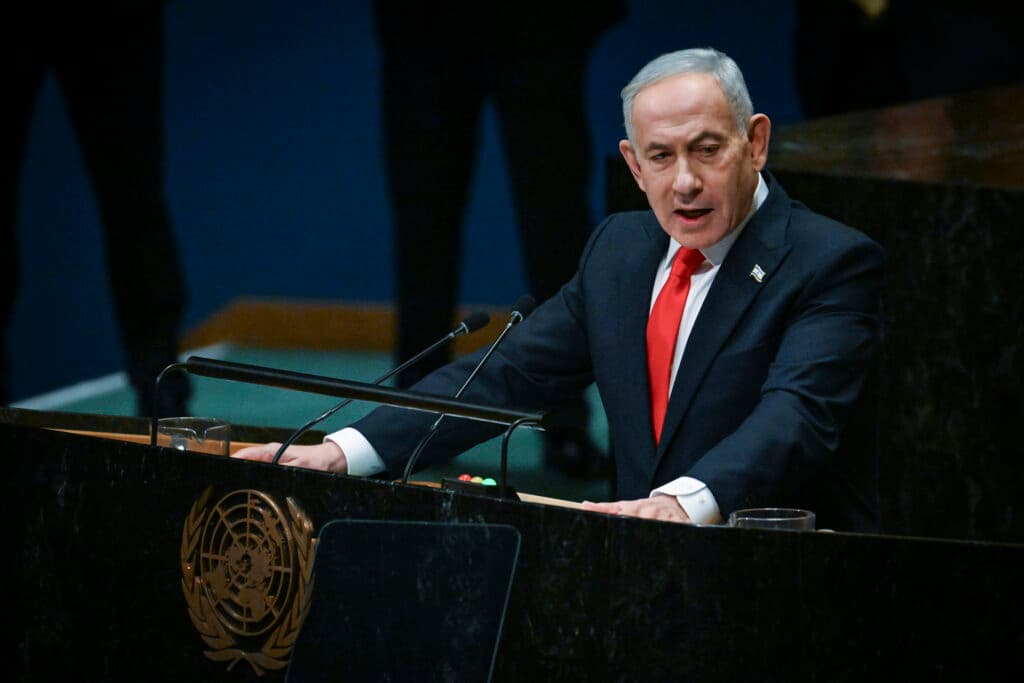
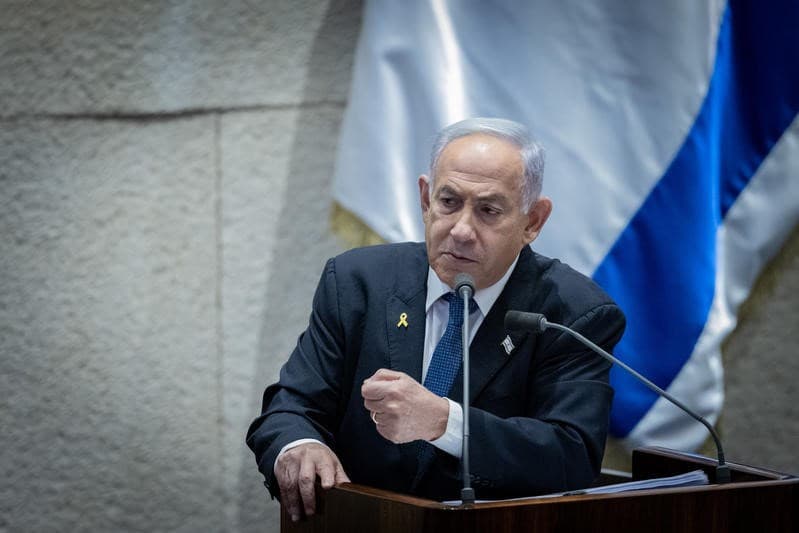
Israel closes the British consulate in Jerusalem as part of a sweeping response to new UK sanctions targeting Israeli communities in Judea and Samaria. Foreign Minister Gideon Sa’ar announced the move Tuesday after coordinating the response with Prime Minister Benjamin Netanyahu. Israel will also remove Britain from a U.S.-led Gaza coordination mission and end British training of Palestinian Authority security forces. Twelve British officials and nationals will also be barred from entering Israel.
“The British move is morally distorted, and constitutes blatant interference in the affairs of a sovereign state and its electoral process,” Sa’ar said. He also called accusations made by British Foreign Secretary Ed Miliband “outrageous lies.” Britain announced its sanctions as Israel prepares for a national election in late October.
Isaiah 62:1 declares, “For Zion’s sake I will not be silent, and for Jerusalem’s sake I will not rest.” The verse speaks to a recurring theme in Jewish history: Jerusalem is not simply another diplomatic venue. Decisions touching its sovereignty carry national, historical, and spiritual weight for Israel. That helps explain why the consulate decision has become one of Jerusalem’s strongest responses yet to Britain’s new policy.
Israel Closes British Consulate and Cuts Cooperation
The British Consulate is located in Sheikh Jarrah and handles London’s relations with Palestinians in Jerusalem, Judea and Samaria, and Gaza. It is separate from the British Embassy to Israel. Sa’ar said foreign activity in Jerusalem must respect Israeli sovereignty and declared that united Jerusalem remains Israel’s capital.
Israel’s response extends well beyond the consulate. British representatives will be removed from the U.S.-backed International Gaza Support Center in Kiryat Gat. Israel will also terminate the British Support Team in Ramallah, which trains Palestinian Authority security personnel. These steps directly reduce Britain’s role in two areas where London has maintained influence over postwar Gaza planning and Palestinian security institutions.
Israel will additionally deny entry to 12 British elected officials and nationals. Reports identify former Labour leader Jeremy Corbyn and several Labour and Green politicians among those affected. Sa’ar said the individuals were involved in anti-Israel or antisemitic activity.
The retaliation came hours after Britain banned imports from Israeli settlements and restricted certain services connected to them. Miliband said the policy was intended to defend a two-state solution. Britain also accused violent Israeli extremists of participating in what it described as “ethnic cleansing,” language that triggered particularly sharp anger in Jerusalem.
Sanctions Trigger a Wider Diplomatic Fight
Britain’s measures are part of a broader international campaign involving 12 countries. Canada, Denmark, Finland, France, Iceland, Ireland, Norway, Poland, Portugal, Spain, Sweden, and the United Kingdom backed national or European restrictions involving settlement trade. The governments focused heavily on Israeli development plans in E1 east of Jerusalem.
London argues that E1 construction threatens the territorial viability of a future Palestinian state. The British government also maintains that settlements in Judea and Samaria violate international law. Israel rejects efforts by foreign governments to determine disputed borders through economic sanctions and emphasizes the Jewish people’s historic connection to Judea and Samaria.

Palestinian leaders, meanwhile, have urged Europe to intensify that pressure. In “Hussein al-Sheikh Backs Settlement Sanctions on Israel,” the Palestinian vice president welcomed the 12-country declaration and demanded stronger, binding measures. He specifically cited E1 and called for international action against continued Israeli settlement development.
That contrast is now central to the diplomatic battle. Palestinian Authority leaders see Western sanctions as leverage that should expand. Israel sees the same policies as outside interference in issues of sovereignty, borders, and Jewish communities. Britain’s direct role in training PA security forces made Jerusalem’s decision to terminate that cooperation especially pointed.
Sovereignty Carries Diplomatic Consequences
The American dimension gives the confrontation broader strategic significance. Britain is not merely losing a bilateral Israeli program. It is being removed from a Gaza coordination mechanism led by the United States and based inside Israel. Washington therefore sits at the center of a dispute between two close partners with sharply different policies toward Judea and Samaria.
U.S. Ambassador Mike Huckabee has already criticized the British sanctions and questioned London’s treatment of Israel. Washington has declined to follow Britain’s approach toward settlement trade. At the same time, American officials have condemned violence by individual Israeli extremists, drawing a distinction between holding offenders accountable and economically targeting entire communities.
That distinction speaks to principles shared by Israel and the United States even though their covenantal histories are different. Israel’s national covenant is rooted in the Jewish people, the Land of Israel, and the duty to defend restored Jewish sovereignty. America’s political tradition emphasizes self-government, religious liberty, national independence, and equal treatment under law. Both understand that friendship between sovereign nations includes the right to disagree, but also the right to answer policies viewed as discriminatory or intrusive.
Sa’ar’s response turns that principle into concrete diplomatic consequences. Britain sought to increase the price Israel pays for settlement policy. Israel has answered by reducing British diplomatic access, security involvement, and participation in regional coordination.
The decision also signals that Jerusalem does not intend to treat the European sanctions campaign as symbolic. Closing a longstanding consulate and ending security programs elevates the dispute from rhetoric into state-to-state consequences. It also places pressure on London to decide how far it wants the confrontation to proceed.
Britain says its goal is preserving a two-state solution rather than targeting Israelis as a people. Israel argues that London has crossed from criticism into direct interference with Israeli sovereignty and domestic politics. With sanctions now producing diplomatic retaliation, the disagreement over Judea and Samaria is rapidly reshaping a much broader relationship between Jerusalem and London.
For more stories on Israel, faith, and the values behind the headlines, follow Sinai on Facebook and Instagram.
Discussion0
No comments yet — be the first to share your thoughts.