Turkey-Libya Maritime Deal Rejected by Israel, Egypt, EU
Sinai Desk

The Turkey-Libya maritime deal is facing coordinated opposition from Israel, Egypt and the European Union after Libya’s eastern-based House of Representatives approved the controversial agreement on October 20. The memorandum, originally signed between Ankara and Libya’s Tripoli-based government in 2019, establishes maritime jurisdiction claims across parts of the eastern Mediterranean. Greece and Cyprus have also rejected the agreement, arguing that it disregards their maritime rights.
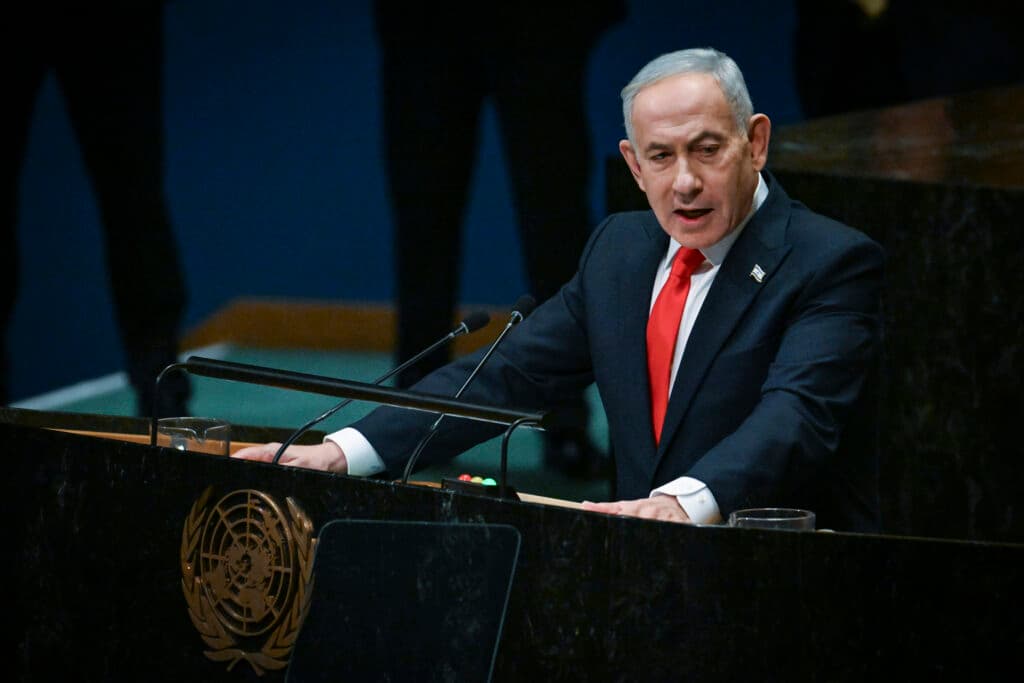
Israel’s Foreign Ministry strongly condemned the Libyan parliament’s decision. “This agreement infringes upon the sovereign rights of our close allies in the region,” the ministry said, adding that Israel once again sees Turkey “working to destabilise the east Mediterranean region.” The statement places Jerusalem firmly alongside Greece and Cyprus, two countries whose strategic and defense relations with Israel have grown increasingly important.
Deuteronomy 19:14 warns, “Thou shalt not remove thy neighbour’s landmark.” The biblical principle concerns respect for established boundaries and inheritance. In the eastern Mediterranean, the modern legal questions are far more complex, but the underlying dispute similarly centers on where one state’s rights end and another’s begin.
Turkey-Libya Maritime Deal Draws Regional Opposition
The European Union reiterated its longstanding position on Wednesday. In an official statement, the EU said the Turkey-Libya memorandum “infringes upon the sovereign rights of third States,” does not comply with the Law of the Sea and is “null and void.” Brussels said the agreement cannot create legal consequences for third countries and called for respect for the sovereign rights of EU member states.
Egypt issued a similarly forceful rejection. Cairo said the Libyan parliament’s approval does not alter Egypt’s rights in its exclusive economic zone or continental shelf. The Egyptian Foreign Ministry described the memorandum as null and void and said its ratification creates no legal consequences for Egypt.
Greece remains one of the most directly affected states. Athens argues that Turkey and Libya do not possess opposite or adjacent coastlines that would justify the boundary drawn in the memorandum. Greek officials also say the agreement ignores maritime rights generated by Greek islands, including Crete.
Turkey rejects those arguments. The Turkish Foreign Ministry welcomed the Libyan parliament’s decision and said the memorandum protects the “mutual rights and interests” of Turkey and Libya under international law and the principle of equity. Ankara also said the agreement contributes to cooperation and stability in the Mediterranean.
Why the Maritime Dispute Matters to Israel
The dispute is not remote from Israeli strategic interests. The eastern Mediterranean has become increasingly important for energy infrastructure, electricity connections and cooperation among Israel, Greece and Cyprus. One major project is the EU-backed Great Sea Interconnector, designed to link European electricity networks with Cyprus and eventually Israel through an undersea cable.
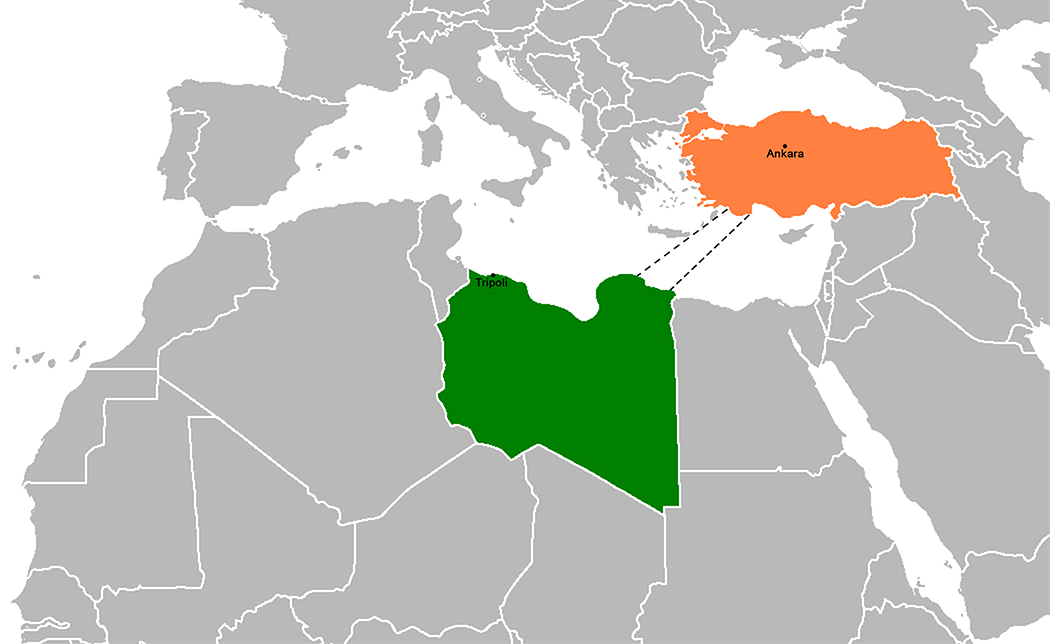
That project has already encountered delays related to maritime disagreements with Turkey. Ankara argues that some planned survey areas fall within maritime zones claimed under its 2019 agreement with Libya. The United States has expressed support for the interconnector, viewing stronger energy links between Europe and the eastern Mediterranean as strategically valuable.
The result is a maritime argument with direct implications for both Jerusalem and Washington. Israel has an interest in preserving reliable energy and infrastructure links with its Mediterranean partners. The United States has a broader interest in regional stability, diversified energy networks and preventing territorial disputes among partners from disrupting major strategic projects.
The latest dispute also comes during a period of wider tension surrounding Ankara. In “Halk TV Raid: Turkey Seizes Opposition Broadcaster,” attention centered on a separate domestic controversy involving Turkey’s opposition media. The maritime agreement concerns an entirely different legal and strategic issue, but it adds another arena in which decisions by the Turkish government are drawing international scrutiny.
Borders, Sovereignty and the Eastern Mediterranean
Israel’s covenantal mission before God includes defending Jewish sovereignty while building durable relationships with neighboring and allied nations. In this case, Jerusalem’s response is also about standing with Greece and Cyprus, countries that have become close partners in security, energy and eastern Mediterranean cooperation. Respect for sovereign boundaries is therefore both a legal question and a strategic one.
America’s covenantal tradition places its own emphasis on ordered liberty, treaty relationships and a stable international environment in which commerce and sovereign states can operate securely. Washington does not share every position taken by regional governments, but instability over maritime borders can directly affect American allies, energy security and infrastructure projects that the United States supports.
The approval in Libya does not settle the legal dispute. Turkey and Libya maintain that their agreement rests on international law and equity, while the EU, Greece, Egypt, Cyprus and Israel reject that interpretation. The sharp disagreement now ensures that maritime boundaries will remain another significant fault line in eastern Mediterranean politics.
For more stories on Israel, faith, and the values behind the headlines, follow Sinai on Facebook and Instagram.
Discussion0
No comments yet — be the first to share your thoughts.