Iraq Energy Routes Expand Beyond Hormuz
Iraq is developing energy routes through Türkiye, Syria and Jordan as Hormuz disruptions push Baghdad to diversify exports and strengthen energy security

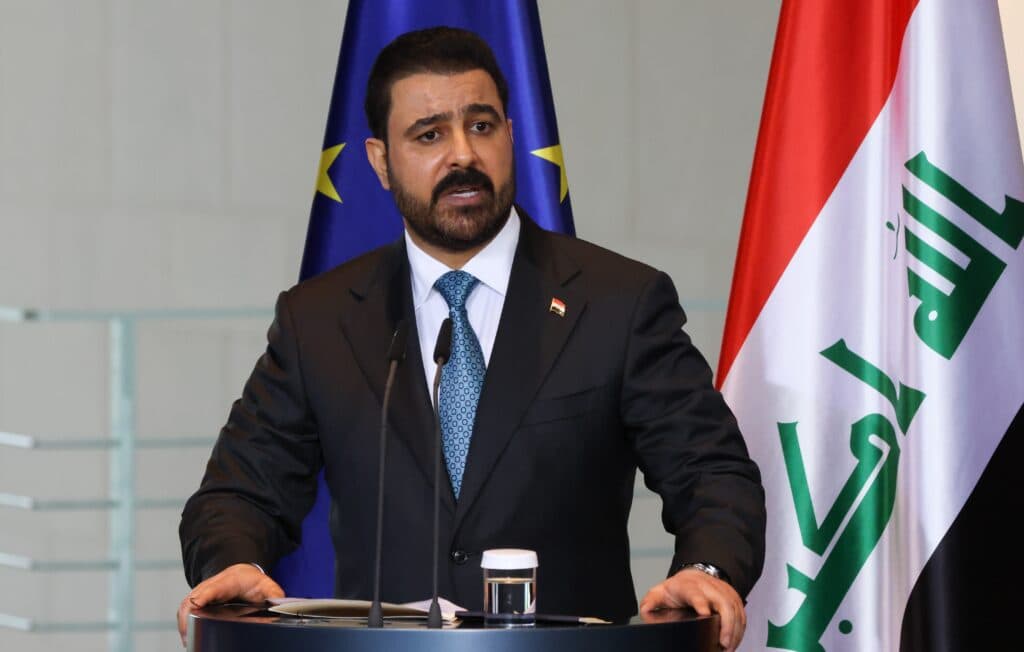
New Iraq energy routes through Türkiye, Jordan and Syria are becoming a strategic priority as Baghdad tries to reduce its dependence on the Strait of Hormuz. Prime Minister Ali al-Zaidi told the UN General Assembly that Iraq is developing alternative oil ports and overland corridors. He said the goal is to reach global markets while reducing the risks created by disruptions to maritime navigation.
The urgency is clear. Vessel traffic through Hormuz remains far below normal levels as the U.S.-Iran conflict continues. Reuters reported that only 17 commodity vessels crossed the strait over one recent weekend, compared with a pre-war average of about 125 per day. Iraq has been among the states most exposed because most of its traditional crude exports rely on Persian Gulf routes.
Ecclesiastes 4:9 says, “Two are better than one.” Applied to infrastructure, the principle is straightforward: dependence on one vulnerable route creates strategic weakness. Iraq is now trying to build redundancy into an energy system that the Hormuz crisis exposed as dangerously concentrated.
Iraq Energy Routes Push West and North
Baghdad is already moving beyond planning. Al-Zaidi said in August that Iraq was working to expand crude exports through Türkiye’s Ceyhan port while developing routes toward Syria’s Baniyas port and Jordan’s Aqaba port. Iraq wants to increase its ability to redirect exports whenever one corridor becomes unavailable.
The Syrian route has advanced particularly quickly. Iraq began moving fuel through Syria after the Iran war disrupted Gulf shipping, while Baghdad and Damascus are examining a larger pipeline connection toward the Mediterranean. Syrian and Iraqi officials also discussed expanding fuel exports during al-Zaidi’s meeting with President Ahmad al-Sharaa in New York this week.
Jordan offers another possible western outlet. Iraq’s Oil Ministry announced tenders earlier this year for crude exports through Aqaba, alongside Baniyas in Syria. Such a corridor would give Baghdad access toward the Red Sea without depending entirely on Hormuz.
Türkiye remains equally important. Al-Zaidi and President Recep Tayyip Erdogan agreed this week to accelerate strategic infrastructure projects, including the Development Road linking Iraq more closely with Turkish and European markets. The two governments also agreed to deepen trade and investment cooperation.
Washington Sees an Economic Opening
The diversification drive carries major consequences for the United States. American energy companies have already expanded their involvement in Iraq, with Chevron, ConocoPhillips and other Western firms signing agreements linked to production and infrastructure. Reuters reported in July that more than $60 billion in agreements and memorandums were announced during a U.S.-Iraq business summit.
Al-Zaidi reinforced that direction during his current New York visit. He met representatives of American companies and urged greater investment in Iraqi energy, petrochemicals and infrastructure. His government has described stronger economic ties with Washington as part of a broader strategic partnership.
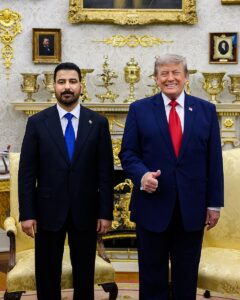
That makes alternative export routes more than an Iraqi domestic issue. If Baghdad can move more energy toward the Mediterranean and Europe, it can reduce the economic damage caused by disruptions around Iran. It also gives Western companies additional infrastructure options beyond a single maritime chokepoint.
The pressure behind that shift is already visible in “Iran-Iraq Flights Halt Under U.S. Sanctions.” That article examined how American aviation sanctions disrupted another major connection between Tehran and Baghdad. Energy diversification reflects a broader Iraqi effort to avoid becoming trapped between Iran, regional conflict and American economic pressure.
Israel also has reason to watch these corridors closely. Analysts at Israel’s Begin-Sadat Center have argued that new oil routes through Syria do not necessarily compete with Israeli infrastructure plans. They could instead create parallel energy networks across the eastern Mediterranean, while transport projects such as railways may compete more directly with Israel-linked corridors.
Sovereignty Through Strategic Redundancy
Iraq’s shift highlights a principle familiar to both Israel and the United States: national sovereignty depends partly on having options. A state whose energy, trade or military supply depends entirely on one route becomes vulnerable when that route closes.
In Israel’s covenantal tradition, sovereignty carries a particular responsibility to preserve Jewish life and maintain the ability of the Jewish state to endure independently. That responsibility has helped shape Israel’s emphasis on resilient infrastructure, secure supply lines and multiple layers of defense.
America’s covenantal tradition developed differently, but it has also linked national power with responsibility, commerce and freedom of navigation. Protecting open trade routes has long formed part of the American understanding of international security. Iraq’s search for alternatives therefore intersects with both U.S. economic interests and the wider effort to reduce the power of regional chokepoints.
The new Iraq energy routes will take time to reach full capacity. Pipelines require financing, political agreements and long-term security across several borders. Syria remains fragile, Türkiye has its own commercial interests, and Jordanian infrastructure will require further development.
Still, the strategic direction is becoming clear. The Hormuz crisis forced Baghdad to confront the risks of depending on one maritime gateway. Iraq is now trying to turn geography from a vulnerability into an advantage by linking the Gulf, Türkiye, Jordan, Syria and the Mediterranean through multiple corridors.
For more stories on Israel, faith, and the values behind the headlines, follow Sinai on Facebook and Instagram.
Discussion0
No comments yet — be the first to share your thoughts.