Iranian Pilots In Qatar Dispute Intensifies
Iran is pressing Qatar and the Red Cross over three missing Iranian pilots, while Doha denies holding them and says it searched the crash area

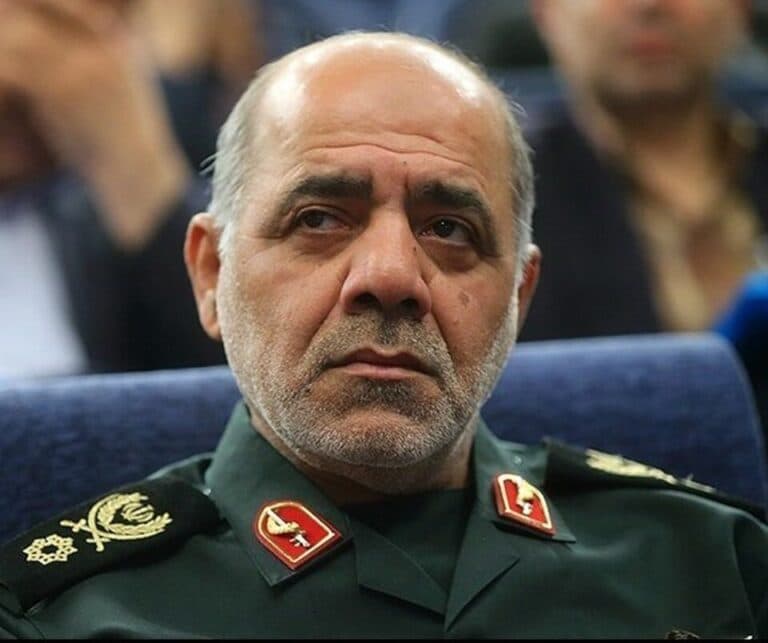
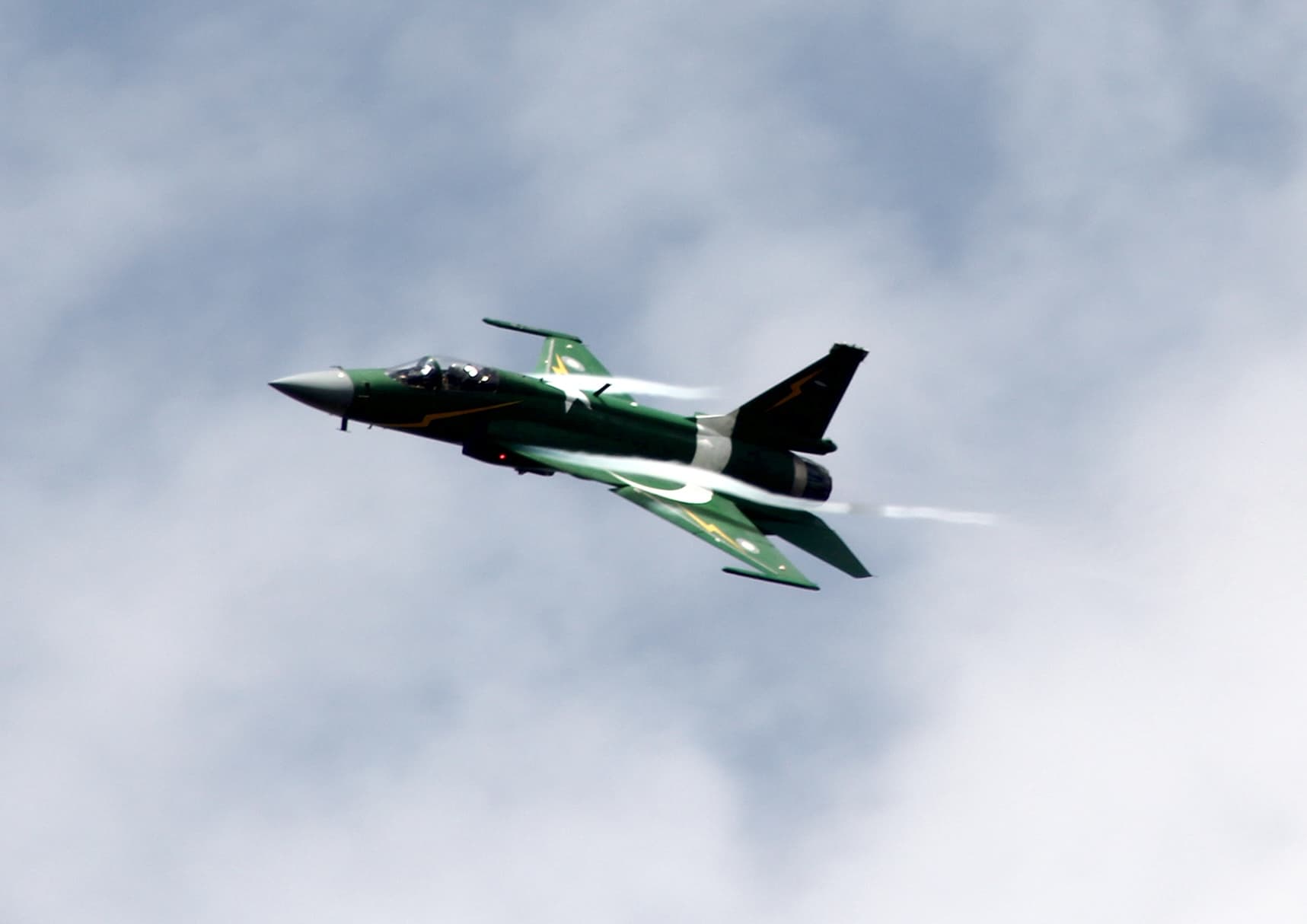
The Iranian pilots Qatar dispute has intensified as Tehran presses Doha to clarify the whereabouts and physical condition of three Iranian air force pilots. According to The Cradle, Iranian military officials say the airmen were captured alive after their Su-24 jets were shot down over Qatari airspace during operations targeting U.S. military facilities. Qatar denies holding the pilots and says it has no information beyond the remains of one pilot, which it returned to Iran.
Iranian commanders now claim the surviving personnel are being held in deteriorating health conditions on waterborne facilities. Tehran has asked Qatar to grant immediate access to a specialized fact-finding delegation, while also appealing to the International Committee of the Red Cross to intervene. Proverbs commands, “Deliver them that are drawn unto death, and those that are ready to be slain.” In this case, the humanitarian question cannot be separated from the military reality: Iran sent aircraft toward a country hosting American forces, and now demands answers about missing airmen whose fate remains disputed.
Iranian Pilots Qatar Dispute
Iran’s Armed Forces General Staff has formally requested access for a fact-finding team. Tehran also urged the Red Cross to send an air ambulance and oversee the transfer of the alleged injured detainees back to Iran. Iranian reports have identified the three missing pilots as Javad Salehi, Abdolmajid Dashtian, and Omran Behraveshian.
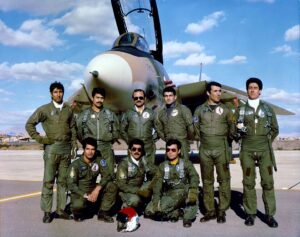
Doha has rejected the allegation that it is holding the pilots. According to Anadolu Agency, Qatari officials said rescue teams thoroughly searched the area and invited Iranian experts to review search operations. That leaves the two governments in a direct credibility clash. Iran says three pilots survived and remain in Qatari custody, while Qatar says it found only one pilot’s remains and does not hold the others.
The dispute also follows “Iran Complains To Red Cross Over Pilots In Qatar.” That article reported that Iran sent a letter to the Red Cross claiming Qatar is holding three Iranian pilots, while Qatar denied detaining them. The latest pressure campaign suggests Tehran is trying to internationalize the case and turn the missing pilots into a humanitarian and diplomatic file.
Al Udeid And The U.S. Factor
The American dimension makes the story more serious. Qatar hosts Al Udeid Air Base, one of the most important U.S. military installations in the region. If Iranian Su-24s were operating against U.S. facilities in Qatar, the incident was never only a Qatari-Iranian matter. It was part of the wider confrontation between Tehran, Washington, and the Gulf security system that protects American partners.
For Israel, the dispute fits a familiar Iranian pattern. Tehran escalates militarily, absorbs costs, and then turns to international institutions when the consequences return to its own side. Israel sees the same logic across the region, from Iran-backed proxy attacks to maritime threats and missile pressure. At the same time, a serious pro-Israel view does not require ignoring humanitarian law. If the men are alive, the Red Cross should have access. If Qatar is not holding them, Doha has every reason to show the evidence clearly and end the claim.
Truth Under Fire
The United States and Israel carry separate covenantal missions before God, and this case tests both through the burden of truth in wartime. America’s mission requires defending its forces and allies from Iranian aggression while still upholding clear standards for detainees, missing personnel, and battlefield transparency. Israel’s mission requires confronting the Iranian system without losing sight of the moral difference between soldiers, civilians, and propaganda.
That distinction matters because Iran often uses humanitarian language after choosing military escalation. Still, moral clarity works only when it applies under pressure. If Tehran’s claim is false, the record should expose it. If any injured Iranian airmen are alive, international access should confirm their condition and prevent the case from becoming another tool of regional manipulation.
The pilots’ fate now sits inside a larger struggle. Iran wants to present itself as the injured party, Qatar wants to reject detention claims, and the United States remains directly implicated because of the alleged target. Israel’s concern is broader: every unresolved Iran-linked military incident becomes another pressure point in a region already crowded with drones, missiles, proxy forces, and fragile diplomacy.
For more stories on Israel, faith, and the values behind the headlines, follow Sinai on Facebook and Instagram.
Discussion0
No comments yet — be the first to share your thoughts.