Iranian Oil Prize Courts Plan Draws Tehran Threat
Bloomberg reports that the U.S. may revive prize courts to seize Iranian oil tankers, drawing a sharp Iranian threat against American interests in the Gulf

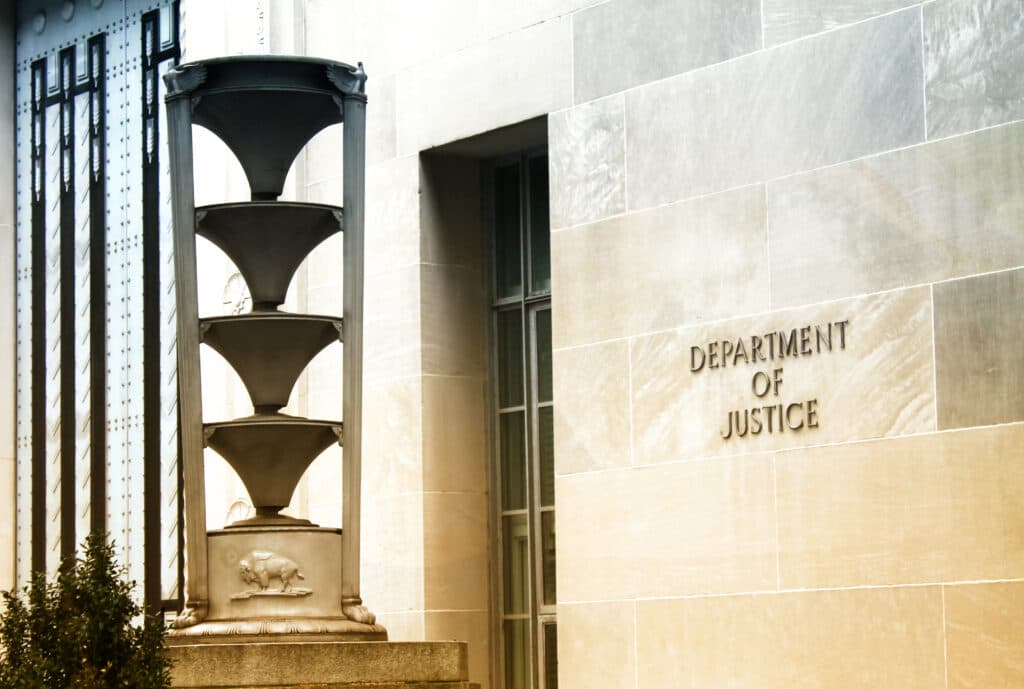
The Iranian oil prize courts plan reported by Bloomberg would mark a dramatic new step in America’s economic and maritime campaign against Tehran. According to the report, the U.S. Department of Justice is preparing to reactivate a Civil War-era legal mechanism that would help the military seize Iranian oil tankers and declare them prizes for the United States.
The mechanism, known as prize courts, comes from maritime war law. It allows a court to review enemy ships or cargo captured at sea and decide whether they can be condemned as lawful prizes. In this case, the reported goal is to streamline the seizure of Iranian oil and transfer the value of captured cargo into U.S. hands. Proverbs says, “Treasures of wickedness profit nothing, but righteousness delivereth from death.” That line frames the deeper issue: Iran’s oil wealth is not neutral when the regime uses it to fund missiles, drones, terror proxies, and regional coercion.
Iranian Oil Prize Courts
The Justice Department’s reported plan would bring back a rarely used legal tool from America’s past. Prize law played a major role in earlier maritime conflicts, especially when ships and cargo were captured during wartime. Bloomberg reported that reviving the mechanism would likely face legal challenges, including questions over whether the current conflict gives rise to prize authority and whether Congress has authorized the relevant hostilities.
Still, the logic behind the move is clear. Washington is looking for ways to make Iranian oil smuggling more costly, more legally vulnerable, and less useful to the regime. Instead of only sanctioning tankers or companies after the fact, a prize-court strategy could give the U.S. a faster route to seize cargo and turn Iranian maritime activity into a financial liability.
Tehran responded quickly. Iranian officials warned Washington against using the mechanism and said Iran would take “serious and swift” steps to exact an equivalent price from American interests in the Gulf. That threat shows why the legal issue is also a military one. A court procedure in Washington could trigger retaliation near U.S. bases, shipping routes, or energy infrastructure.
Hormuz Pressure And Israel’s Security
The report follows “Trump Iran Victory Claim Cites Hormuz Oil Flow.” That article described Trump’s remarks that the U.S. was moving toward victory over Iran, citing oil flow through Hormuz, mine-clearing, destroyed Iranian boats, and pressure on Tehran’s collapsing economy. The prize-court report fits the same strategy: weaken Iran’s ability to turn oil into hard currency, and hard currency into weapons.

For Israel, the stakes are direct. Iran’s oil revenue helps sustain the system behind Hamas, Hezbollah, the Houthis, Iraqi militias, and other hostile actors. When Washington targets that revenue, it does more than punish Tehran economically. It attacks the financial bloodstream of the regional terror network aimed at Israel and U.S. allies.
Yet the risk cannot be ignored. Iran has already threatened American interests in the Gulf. If prize courts become part of the blockade campaign, Tehran may try to answer through attacks on tankers, drone launches, proxy pressure, or harassment near Hormuz. That would test U.S. deterrence and force Gulf states to choose how firmly they stand with Washington.
Law, Wealth And Covenant Duty
The United States and Israel carry separate covenantal missions before God, and this dispute touches both through the moral use of power. America’s mission requires using law and strength together, not only to defend its own interests, but to prevent hostile regimes from financing aggression through global commerce. Israel’s mission requires guarding Jewish life against an Iranian system that turns oil money into rockets, tunnels, ballistic missiles, and terror salaries.
That distinction matters. The target should be the regime’s war machine, not ordinary Iranians who already suffer under inflation, repression, and economic decline. A serious pressure campaign must keep that line clear while refusing to let Tehran hide behind civilian hardship after spending national wealth on regional violence.
Prize courts would turn an old American legal tool into a modern weapon of economic warfare. If the plan advances, it could sharpen U.S. pressure and deepen Iran’s isolation. It could also raise the chance of retaliation in the Gulf. For Washington and Jerusalem, the measure will be judged by one question: does it reduce Iran’s capacity to threaten the region, or does it open another front before Tehran’s war machine is truly contained?
For more stories on Israel, faith, and the values behind the headlines, follow Sinai on Facebook and Instagram.
Discussion0
No comments yet — be the first to share your thoughts.