Iranian Adviser Says Tehran Is Waiting Out Trump
Majid Shakeri said Iran believes no agreement with Trump is possible and is trying to endure pressure until his term ends

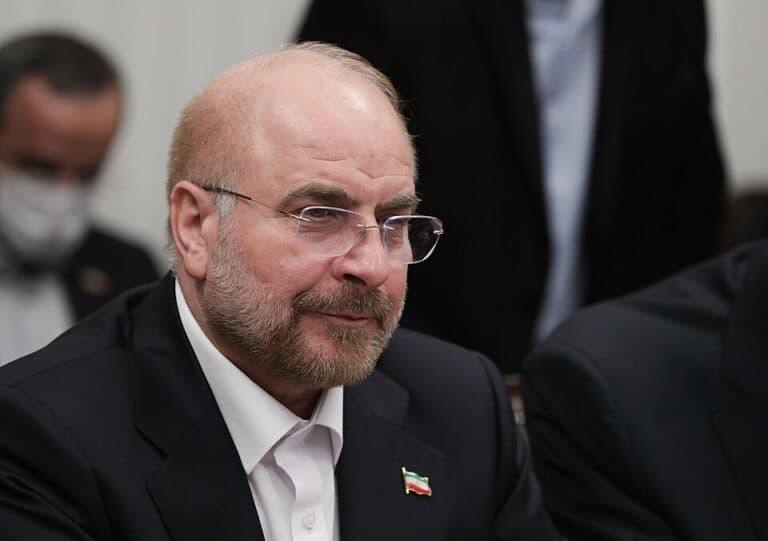
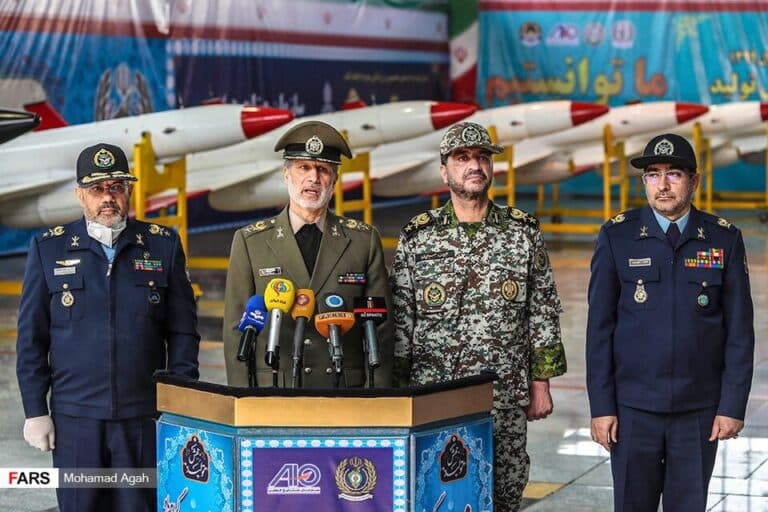
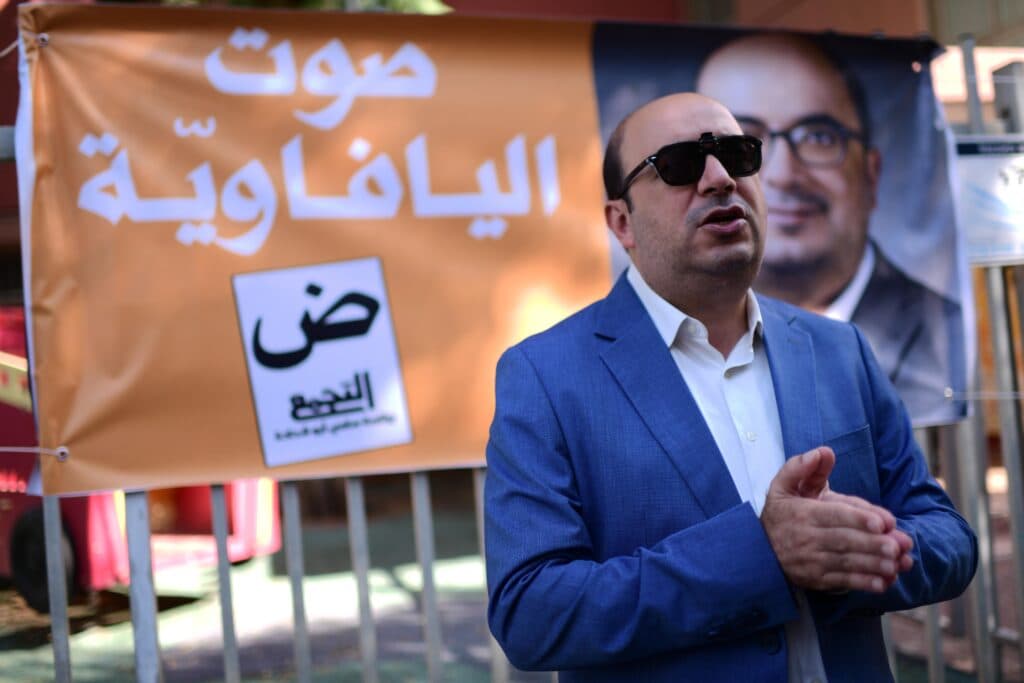
Iran Trump negotiations may be entering a long standoff, after Majid Shakeri, an adviser to Iranian Parliament Speaker Mohammad Ghalibaf, described Tehran’s strategy toward Washington.
According to Shakeri, it is impossible to reach an agreement with Trump. He said Trump’s current team “has not managed to reach an agreement with anyone,” and argued that they will not reach one with Iran either.
Shakeri then described the Iranian approach in blunt terms: everyone is trying to “grit their teeth and endure” until Trump’s term ends.
The statement is revealing because it turns the negotiating table into a clock. Tehran appears to believe time may be its strongest tool. Rather than rushing toward a deal, Iran may try to survive sanctions, blockade pressure, and economic pain in the hope that a different U.S. president eventually takes office.
The Tanakh says, “The plans of the diligent lead surely to abundance, but everyone who is hasty comes only to want.” The verse fits this moment because the confrontation now depends on discipline. Trump is betting that sustained pressure will force Iran to move. Iran is betting it can outlast him.
Iran Trump Negotiations Become A Waiting Game
The question now is simple: who blinks first?
Trump, according to the analysis, appears to be adopting a strategy of tightening economic pressure and blockade measures against Iran while avoiding offensive military action for now. That posture gives Washington room to squeeze Tehran without immediately entering a wider war.
Iran’s problem is endurance. Two and a half years of economic pressure, maritime disruption, and sanctions could prove extremely difficult, especially if the regime cannot restore trade, investment, and confidence. Tehran may hope for a Democratic president after Trump, but there is no guarantee such a president will be elected.
The global economy also enters the calculation. As long as free passage of oil tankers through Hormuz remains restricted or uncertain, pressure on energy prices will grow. That gives Iran leverage, but it also gives the United States a reason to maintain pressure until Tehran loses the ability to use Hormuz as a weapon.
The argument also follows the logic of “Trump Demands Iran Pay Compensation For Terror Victims.” Trump demanded that Iran compensate victims of Iranian-backed attacks and repression after Tehran reportedly sought damages from the recent military confrontation. Together, the compensation demand and the pressure strategy show a wider Trump approach: Iran should not be rewarded for aggression, delay, or terror financing.
Israel Watches The Pressure Campaign
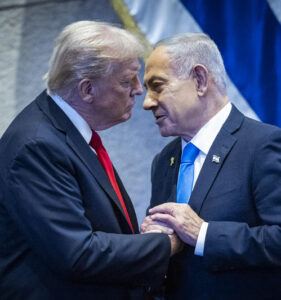
Jerusalem has a different, more immediate calculation. From the Israeli perspective, the current situation may be close to ideal: no agreement that legitimizes Iran, no Iranian missiles falling on Israeli cities, and continued economic pressure on the regime.
A weakened Iran struggles to rebuild its military network. Sanctions and blockade pressure can slow funding for Hezbollah, Hamas, the Houthis, and other Iranian-backed forces. They can also deepen public anger inside Iran, where regime collapse becomes more plausible when economic pain combines with political exhaustion.
That does not make the situation risk-free. Iran may still escalate if it feels cornered. Hormuz pressure can damage global markets, and Tehran may try to activate proxies instead of confronting the United States directly. Still, Israel benefits when Washington refuses to grant Iran a weak agreement and keeps the regime under strain.
The central Israeli concern remains nuclear. If Tehran’s strategy is to wait out Trump, Israel must assume Iran will also try to preserve as much nuclear and military capacity as possible during the waiting period. That makes American pressure, intelligence coordination, and Israeli readiness more important, not less.
Covenant Of Endurance And Red Lines
The United States and Israel each carry a distinct covenantal responsibility before God in this confrontation. America’s covenantal tradition is tied to liberty, justice, and the responsibility to use strength against regimes that export violence. Israel’s covenant is ancient and unique, rooted in the God of Israel, Torah, Jewish peoplehood, sovereignty, and return to the land.
Here, those responsibilities meet in the discipline of endurance. America must prove that hostile regimes cannot simply wait out its resolve. Israel must ensure that Iran never turns delay into a nuclear shield against the Jewish state.
Shakeri’s statement may have been meant to project patience. Instead, it exposes Tehran’s vulnerability. Iran is not describing confidence in an agreement. It is describing survival until political conditions improve.
That leaves Trump’s pressure campaign with a clear test. If Washington can sustain sanctions, preserve maritime leverage, and prevent Iran from turning Hormuz into a global economic weapon, Tehran’s waiting strategy may become a trap. If pressure fades, Iran will claim endurance as victory.
Israel’s interest is clear: keep Iran weak, keep the nuclear file under pressure, and keep the regime from rebuilding the forces that threaten Israeli civilians. The coming months may not produce a signed agreement, but they may decide whether Iran’s strategy of waiting becomes strength or exhaustion.
For more stories on Israel, faith, and the values behind the headlines, follow Sinai on Facebook and Instagram.
Discussion0
No comments yet — be the first to share your thoughts.