Trump Demands Iran Pay Compensation For Terror Victims
Trump demanded that Iran compensate victims of Iranian-backed attacks and repression after Tehran reportedly sought damages from the recent military confrontation

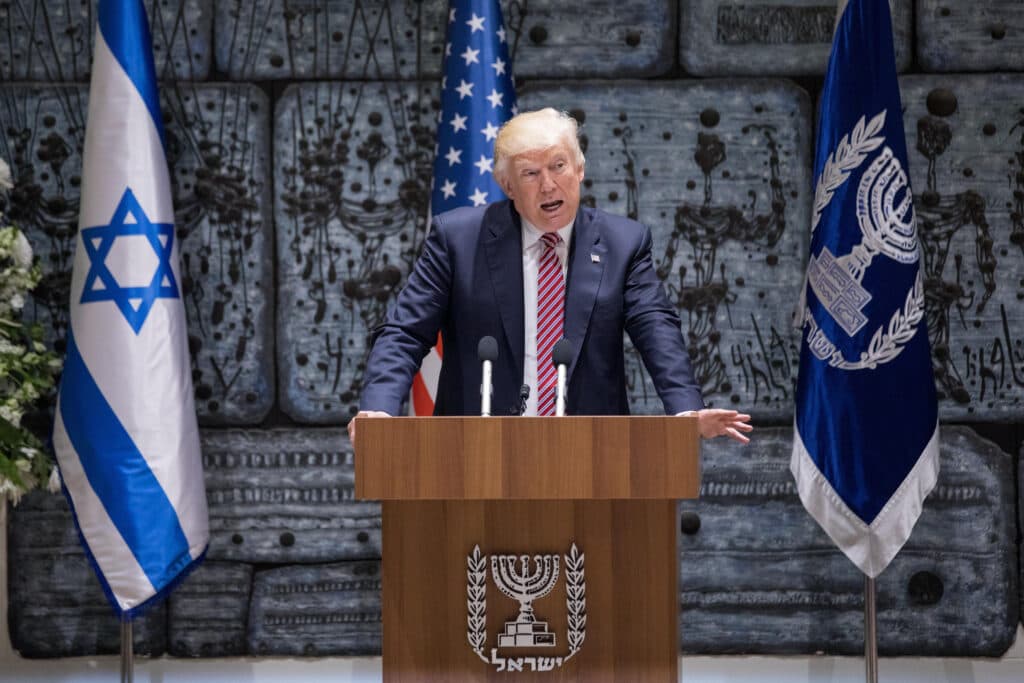
Trump Iran compensation demands escalated the latest dispute with Tehran, after President Donald Trump responded to Iranian calls for damages from the recent military confrontation.
Trump said representatives of the Islamic Republic of Iran were demanding compensation for damage suffered during the past five months of fighting. He argued that the confrontation began because Iran was trying to acquire nuclear weapons, and said the issue of compensation had never appeared in negotiations or meetings.
Then Trump turned the demand back on Tehran.
“But that’s an interesting idea,” Trump said, adding that he is now demanding Iran pay compensation for those it killed and severely wounded through roadside bombs and other confrontations he linked to the Islamic Republic. He specifically pointed to operations “initially led by General Soleimani,” as well as the families of those killed on the USS Cole and “thousands more” killed in battles.
The Tanakh says, “He who justifies the wicked and he who condemns the righteous, both of them alike are an abomination to the Lord.” The verse fits the argument Trump is making: a regime accused of spreading death cannot present itself only as the injured party.
Trump Iran Compensation Demand
Trump also said Iran should compensate the families of innocent protesters killed by the regime over the past 50 years. In addition, he referred to 52,000 people he said were killed in the past five months.
The numbers and claims form part of Trump’s broader negotiating posture. Instead of allowing Iran to frame itself as a victim of American action, he is forcing a larger accounting: Iranian attacks, proxy warfare, repression at home, and the long record of bloodshed tied to Tehran’s regional strategy.
That approach matters in Washington because negotiations with Iran often become narrow very quickly. Diplomats may focus on one file: Hormuz, sanctions, nuclear limits, or military de-escalation. Trump’s statement widens the table. If Iran wants to discuss damages, he is saying America will discuss the cost of Iran’s own actions as well.
From Hormuz To Accountability
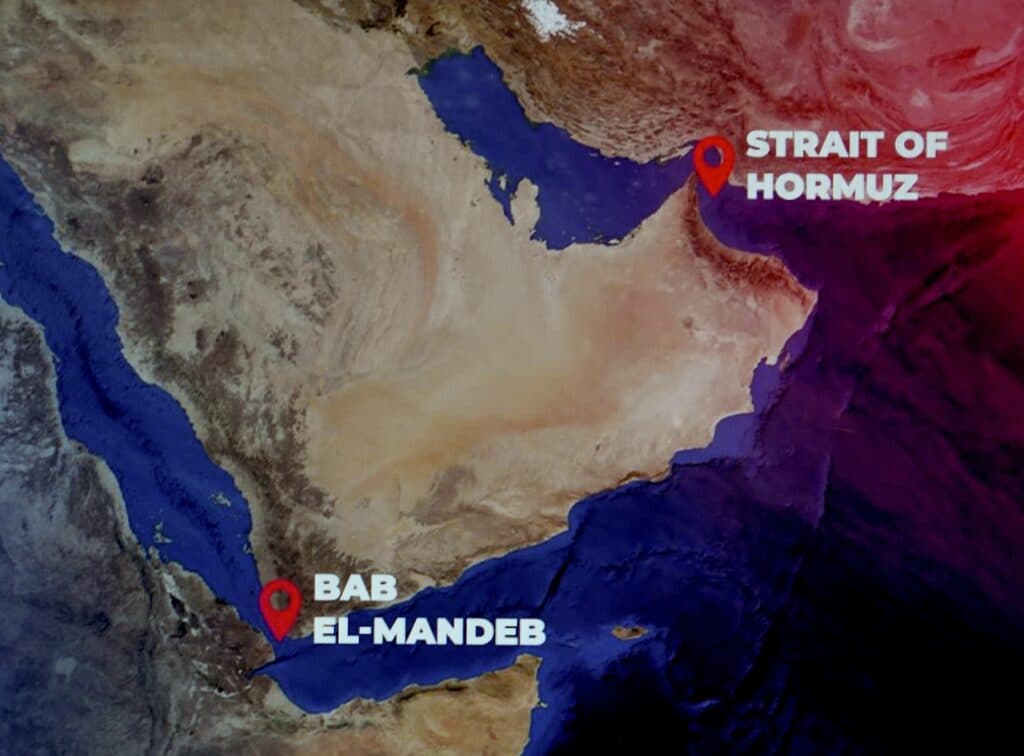
That message follows naturally from “Iran Says Hormuz Talks With Oman Are Not U.S. Negotiations.” Iran’s Foreign Ministry said Hormuz talks with Oman concern shipping routes, not U.S. negotiations, while defending the strait’s closure during the war.
The two stories now sit in tension. Iran wants to separate technical discussions over Hormuz from direct talks with Washington. Trump, meanwhile, is pulling the argument back to responsibility. If Tehran uses maritime pressure, nuclear ambition, and regional violence as bargaining tools, then the United States can answer with demands of its own.
Israel will read this through the lens of deterrence. The same Iranian system that America links to attacks on U.S. forces also funds and arms enemies on Israel’s borders. Hamas, Hezbollah, the Houthis, and other Iranian-backed forces do not operate in isolation. They form part of the same regional machine that turns civilian life into leverage.
A compensation demand will not solve the Iranian threat by itself. However, it shifts the moral posture of the talks. Tehran cannot demand payment for its losses while ignoring the lives lost through its own policies, proxies, and repression.
Covenant Of Reckoning And Defense
The United States and Israel each carry a distinct covenantal responsibility before God. America’s covenantal tradition is tied to liberty, justice under law, and the duty to defend its citizens from hostile powers. Israel’s covenant is ancient and unique, rooted in the God of Israel, Torah, Jewish peoplehood, sovereignty, and the return to the land.
In this case, the covenantal meaning is not abstract. America is demanding a reckoning for blood spilled by Iran’s war machine. Israel is watching the same regime that threatens the Jewish state with nuclear weapons, missiles, terror financing, and proxy armies.
Trump’s demand therefore places moral debt beside diplomatic pressure. Iran may try to bargain over damages, routes, and military losses, but free nations have their own ledger: murdered soldiers, wounded civilians, repressed protesters, terror victims, and families left behind.
A serious agreement with Iran cannot rest only on signatures. It must also confront the pattern that made confrontation unavoidable in the first place.
For more stories on Israel, faith, and the values behind the headlines, follow Sinai on Facebook and Instagram.
Discussion0
No comments yet — be the first to share your thoughts.