Iran Threatens Escalation Over Ali al-Taher Ridge
Iran reportedly warned that an Israeli strike on the Ali al-Taher ridge in southern Lebanon would trigger escalation from Tehran

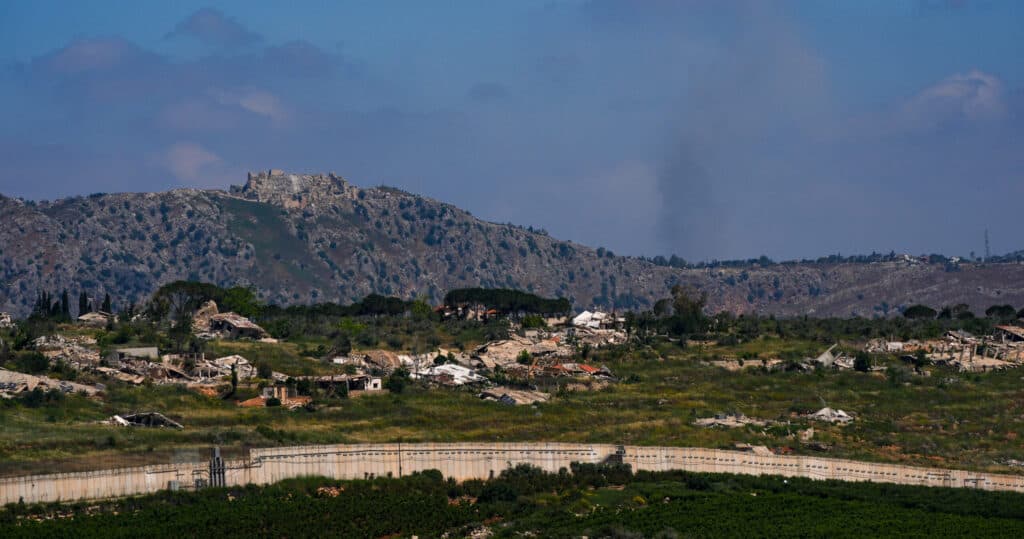
Ali al-Taher ridge tensions escalated after Lebanon’s Al-Jadeed, quoting official sources, reported that Iran sent a direct warning over the strategic area in southern Lebanon.
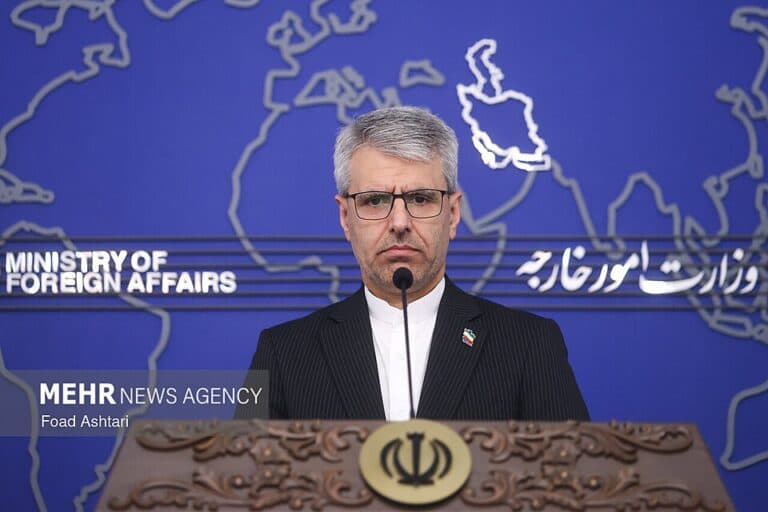
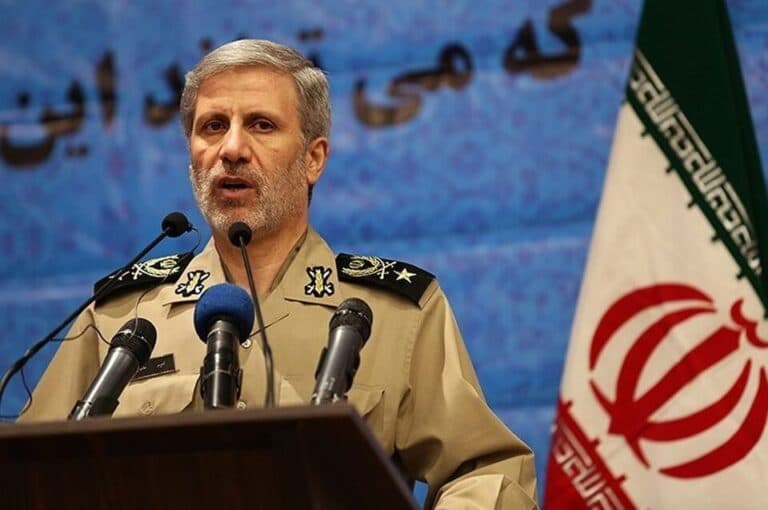
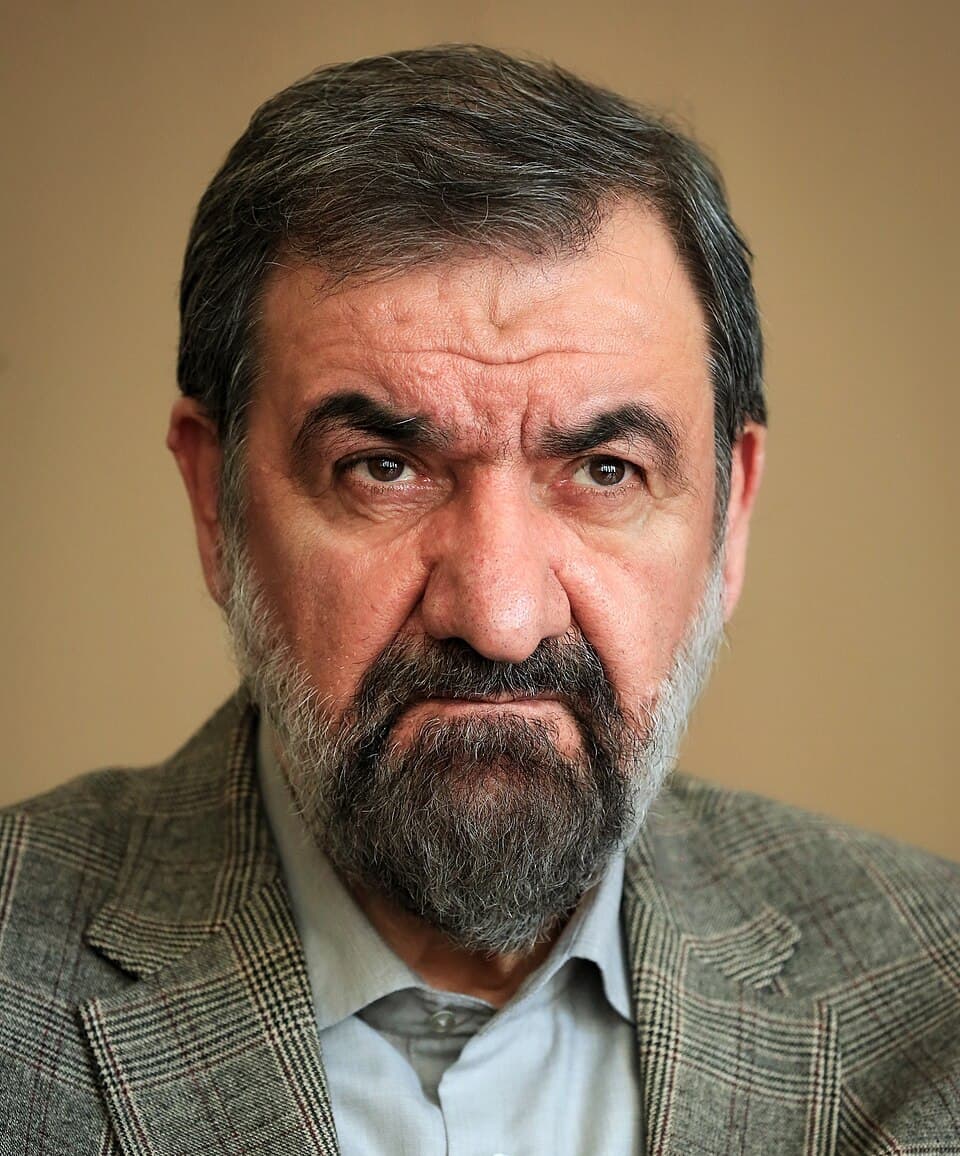
According to the report, Tehran conveyed a message stating that an Israeli strike on the Ali al-Taher ridge would be met with escalation from Iran. The warning places Iran openly behind the pressure campaign over a ridge tied to Hezbollah’s military posture and Israel’s security concerns along the northern front.
The Tanakh says, “Except the Lord guard the city, the watchman waketh but in vain.” That verse fits the moment because Israel’s enemies often test the border before they test the nation. Faith does not replace vigilance. It strengthens the duty to watch, prepare, and confront danger before it reaches Israeli homes.
Ali al-Taher Ridge Warning
The Ali al-Taher ridge matters because southern Lebanon remains one of the most sensitive battlefields around Israel. The area sits near Nabatieh and has drawn repeated attention because of Hezbollah activity, Israeli operations, and the ridge’s strategic value.
Iran’s message frames a possible Israeli strike not as a local military event, but as a trigger for regional escalation. That is the point. Tehran is signaling that Hezbollah’s positions in Lebanon are not separate from Iran’s broader confrontation with Israel.
For Jerusalem, the warning reinforces the central problem on the northern front. Hezbollah is not only a Lebanese militia. It functions as an Iranian-backed force placed along Israel’s border, with terrain, tunnels, drones, and rockets positioned to threaten Israeli civilians and soldiers.
Tehran Turns Lebanon Into Leverage
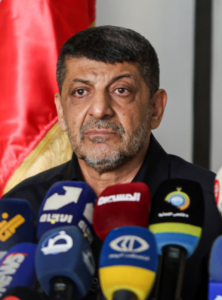
The warning follows the same strategic pattern described in “Iranian Adviser Says Tehran Is Waiting Out Trump.” In that article, Majid Shakeri said Iran believes no agreement with President Donald Trump is possible and is trying to endure pressure until his term ends.
That logic helps explain the Ali al-Taher threat. Iran is not simply reacting to one ridge in southern Lebanon. It is using Lebanon as leverage while testing American pressure, Israeli deterrence, and the limits of escalation.
If Tehran believes it can threaten Israel from Lebanon while waiting out Trump, then the issue becomes bigger than one front. It becomes a test of whether Iran can use Hezbollah to restrict Israel’s freedom of action while avoiding direct consequences.
That matters for Washington as well. American diplomacy loses force when Iran believes it can stall, threaten, and operate through proxies until political conditions change. The more Tehran sees hesitation, the more every Iranian-backed front learns the same lesson.
Covenant Of Vigilance And Resolve
The United States and Israel share a covenantal understanding that freedom must be guarded with strength, truth, and moral clarity. Both nations, at their best, recognize that peace cannot survive when terror regimes use territory, diplomacy, and delay as weapons.
That shared covenantal worldview matters in Lebanon. Israel must defend its northern communities from Hezbollah’s entrenched threat. America must recognize that Iranian escalation in Lebanon is part of the same pressure campaign that targets U.S. influence, regional allies, and Israeli security.
Iran’s warning over Ali al-Taher tries to project confidence. In reality, it reveals how much Tehran depends on proxy terrain to preserve leverage. If Israel cannot act against Hezbollah infrastructure without facing Iranian threats, then Iran has turned Lebanon into a shield for its war against the Jewish state.
The response from free nations will matter. Allowing Iran to dictate what Israel may strike in southern Lebanon would reward the very strategy that made Hezbollah dangerous in the first place.
That is why Ali al-Taher is not only a ridge. It is a test of deterrence, sovereignty, and whether Iran can continue using Lebanon as a forward position against Israel.
For more stories on Israel, faith, and the values behind the headlines, follow Sinai on Facebook and Instagram.
Discussion0
No comments yet — be the first to share your thoughts.