Hormuz Danger Pay: Tanker Captains Offered $100,000 a Month
Tanker captains can earn up to $100,000 a month as attacks, insurance costs and shrinking traffic make Strait of Hormuz crossings increasingly dangerous
Sinai Desk
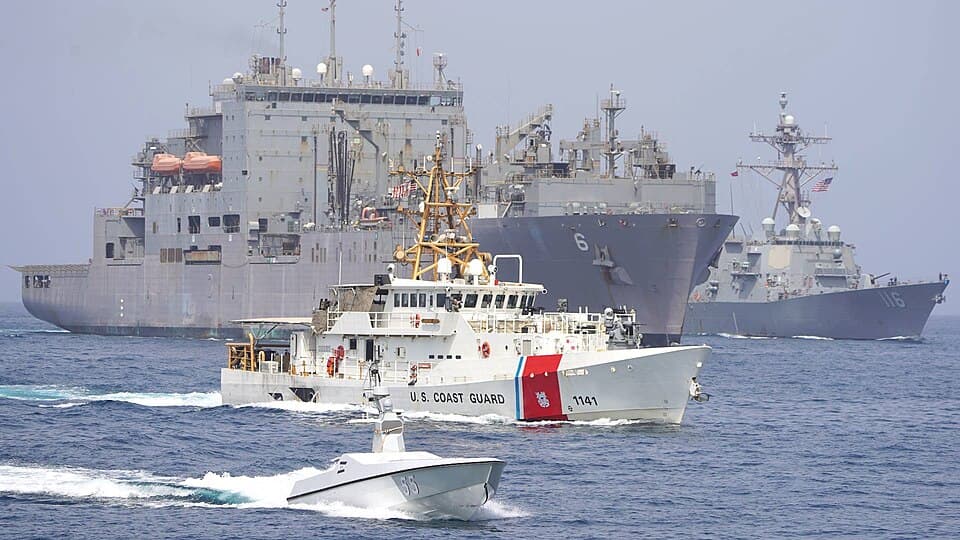
Hormuz danger pay has climbed to extraordinary levels as tanker crews continue navigating one of the world’s most dangerous shipping routes. Shipowners are offering captains as much as $100,000 a month, according to the Financial Times. Some also receive another $50,000 for each crossing of the Strait of Hormuz.
Ordinary sailors are also receiving steep premiums. Crew members can earn four to six times their normal wages during a transit, while some receive elevated pay even in nearby waters. The extraordinary compensation reflects the physical danger now attached to moving energy through the Gulf.
Psalm 107 describes those who “go down to the sea in ships” and witness both its power and danger. In the Strait of Hormuz today, that ancient image has taken on a modern strategic meaning. Civilian mariners are carrying global energy supplies through waters threatened by missiles, drones and military confrontation.
Hormuz Danger Pay Reflects Growing Risk
Traffic through the strait has fallen sharply despite the enormous financial incentives. The Financial Times reported that only 13 vessels crossed on October 4, compared with 24 one week earlier. Before the conflict, roughly 135 ships passed through the waterway each day.
Crews have adapted their behavior to reduce exposure. Many ships now transit at night, while some disable GPS transmissions during the crossing. Those measures aim to make vessels harder to track amid repeated missile and drone attacks.
The human cost has continued to rise. The International Maritime Organization reported in September that it had verified 80 attacks on merchant vessels since February 28. Those incidents had killed at least 22 seafarers at that point. More recent shipping reports put the total at 93 vessels hit and 24 sailors killed.
The maritime danger is now reshaping the economics of global energy transport. Tanker charter rates have climbed to around $1.3 million per day. Before the crisis, comparable rates often ranged between $20,000 and $50,000.
War-risk insurance can add another $20 million to a single supertanker voyage. Fuel costs have also risen, compounding expenses for shipowners already paying extraordinary freight and crew premiums.
Iran Turns a Chokepoint Into Economic Pressure
The numbers demonstrate how control of a narrow waterway can affect economies thousands of miles away. Roughly one-fifth of global oil and liquefied natural gas normally moves through Hormuz, making the strait one of the most important energy corridors on earth.
Oil exports have partly recovered despite the danger. Reuters reported this week that Middle Eastern crude shipments briefly exceeded prewar levels during parts of September. Shippers achieved that recovery through higher-risk crossings, shuttle operations and alternative export routes.
The result is an unusual market. Oil can still move, but moving it has become dramatically more expensive. Reuters noted that freight from the Middle East to Asia has exceeded $1.2 million per day even as export volumes recovered.
That economic pressure reaches American consumers and allies far beyond the Gulf. The United States has a direct interest in preserving freedom of navigation because disruption raises transportation, refining and energy costs throughout the global economy. U.S. naval forces have also played a longstanding role in protecting maritime movement through the region.
Israel faces a related strategic concern. Iran’s ability to threaten Hormuz gives Tehran leverage beyond missiles aimed directly at Israeli territory. By disrupting international trade, Iran can impose costs on Israel’s allies and place pressure on governments whose economies depend on stable Gulf energy flows.
That wider strategy follows the confrontation described in “Strait of Hormuz Closure: Iran Sets Seven Conditions.” Iranian parliament speaker Mohammad Bagher Ghalibaf said Tehran would keep the strait closed until demands involving sanctions, maritime access, frozen assets and the wider war were met. The extraordinary compensation now offered to seafarers shows the practical cost of that pressure.
Sailors Become the Front Line of the Energy War
The crisis increasingly places civilian crews at the center of a geopolitical conflict they did not create. The IMO has warned governments against using wider conflicts as justification for attacking merchant shipping. Secretary-General Arsenio Dominguez said innocent seafarers should not become targets of military confrontation.
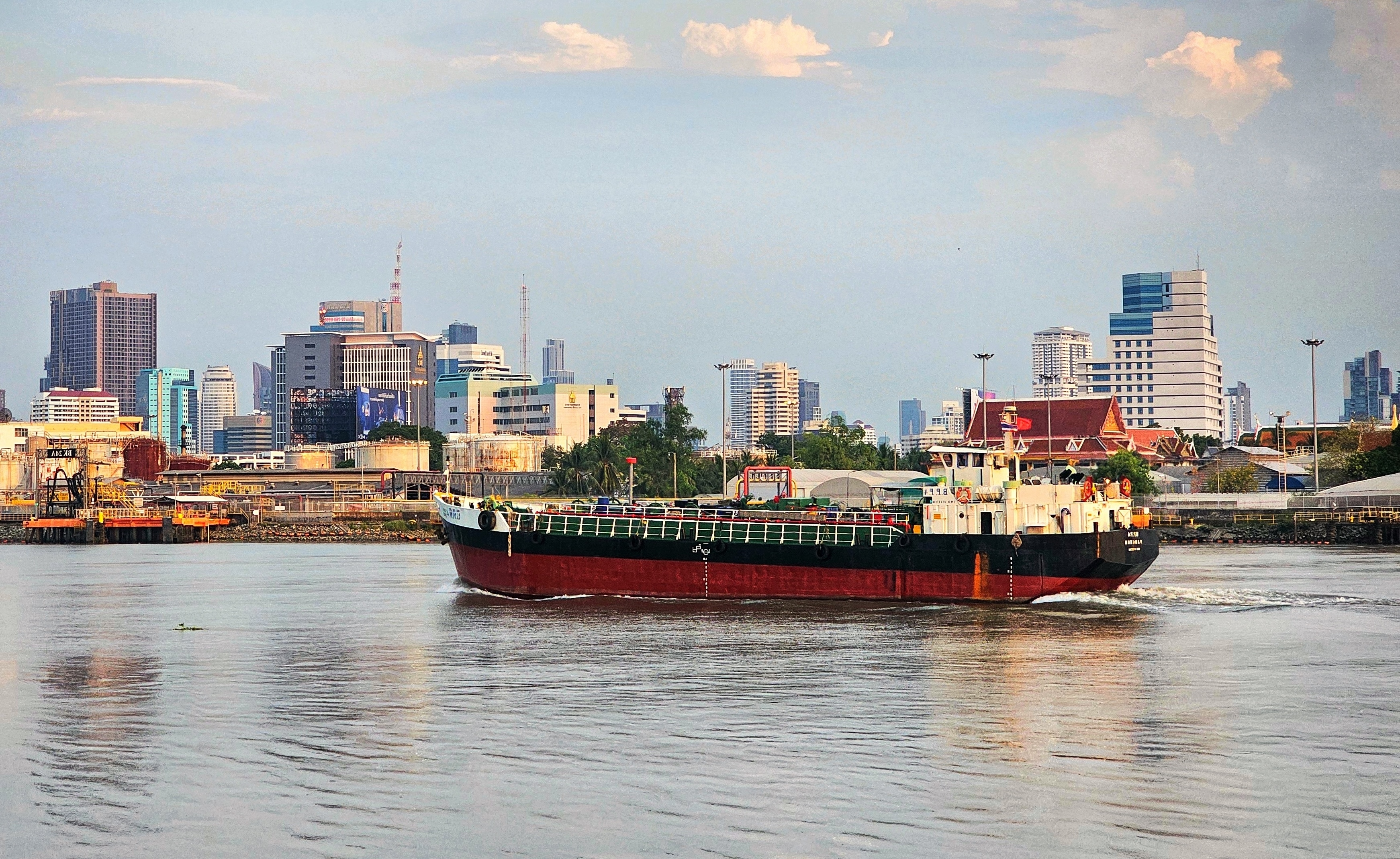
Yet financial incentives are becoming difficult to ignore. Captains who normally earn about $15,000 per month can reportedly receive several times that amount. Some ordinary sailors can earn more during a single dangerous transit than they normally make across several months.
The money does not eliminate the risk. Reports have also raised concerns that some crew members face pressure to sail even when they are reluctant to enter the danger zone. That creates a difficult balance between keeping energy markets supplied and protecting civilians working aboard commercial ships.
Freedom of Navigation as a Covenant Responsibility
Israel’s covenantal mission before God includes defending its sovereignty against a regime that openly uses military and economic pressure across the region. The struggle over Hormuz shows that Iranian power does not stop at Israel’s borders. It can reach shipping lanes, energy markets and civilians whose livelihoods depend on peaceful trade.
America’s covenantal tradition places particular weight on ordered liberty, international commerce and the protection of free navigation. U.S. strength at sea has long supported those principles. In Hormuz, that mission now intersects directly with the security of Israel and other American partners threatened by Iran.
A tanker captain earning $100,000 a month may sound like an extraordinary labor story. In reality, the figure is a measure of geopolitical risk. Markets are placing a price on the danger Iran has created around one of the world’s most important waterways.
The higher that price climbs, the clearer the consequences become. The Strait of Hormuz is no longer simply an energy chokepoint. It has become a battlefield where maritime security, American power, Israeli security and the global economy converge.
For more stories on Israel, faith, and the values behind the headlines, follow Sinai on Facebook and Instagram.
Discussion0
No comments yet — be the first to share your thoughts.