Iran Threatens Gulf Data Centers, AI Sites if War Resumes
Sinai Desk
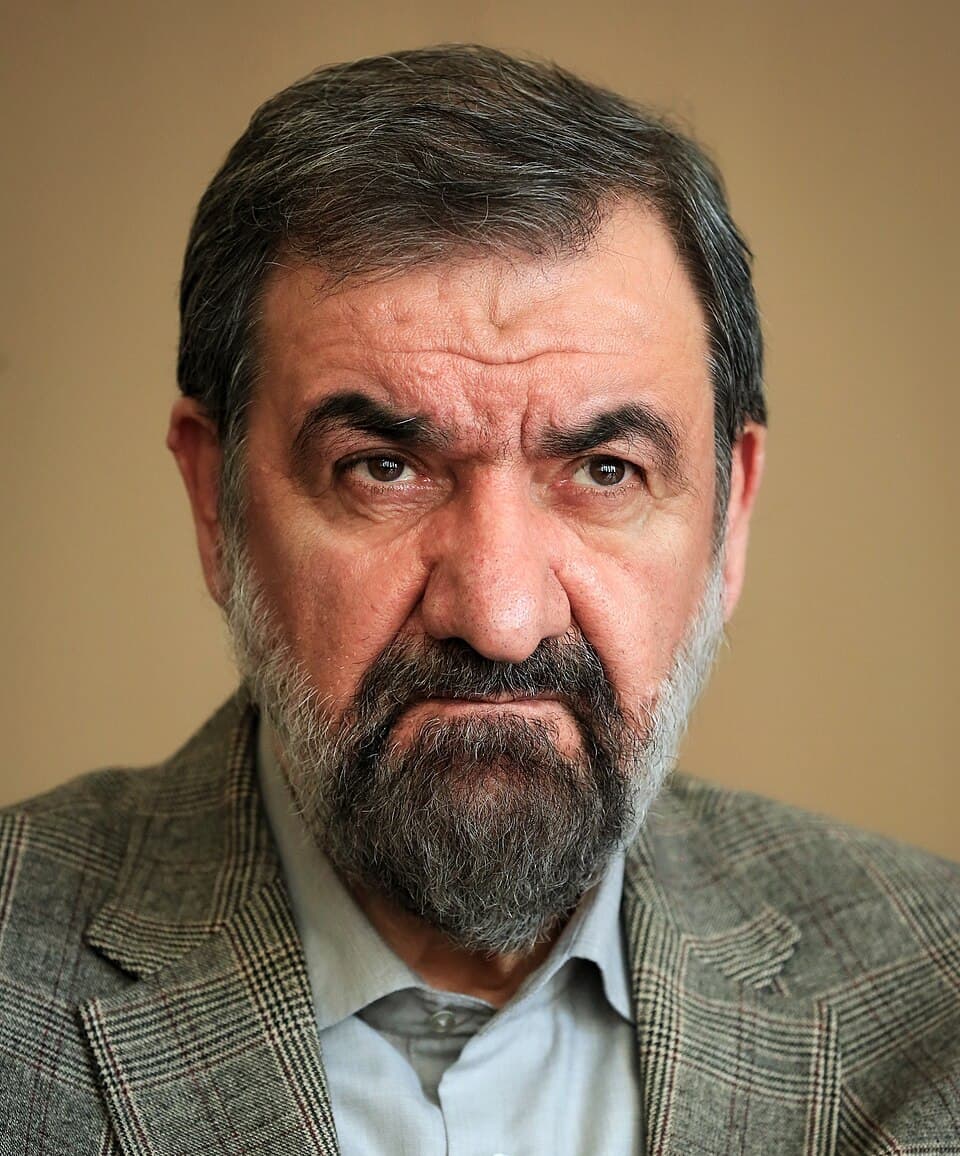
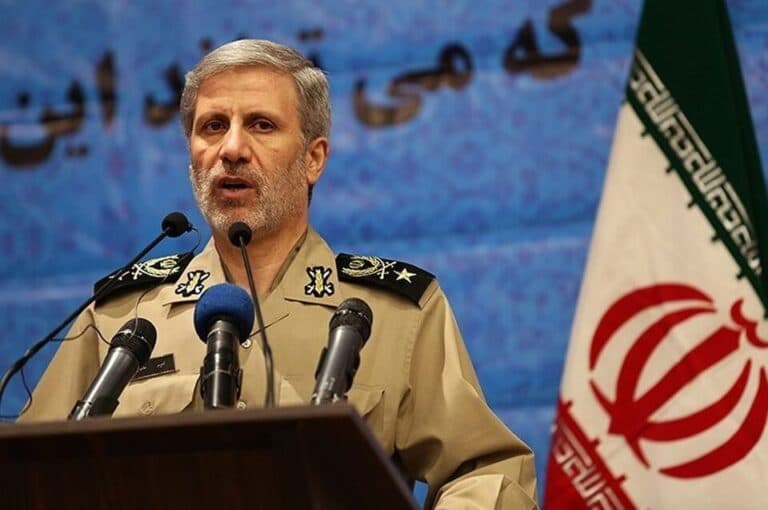
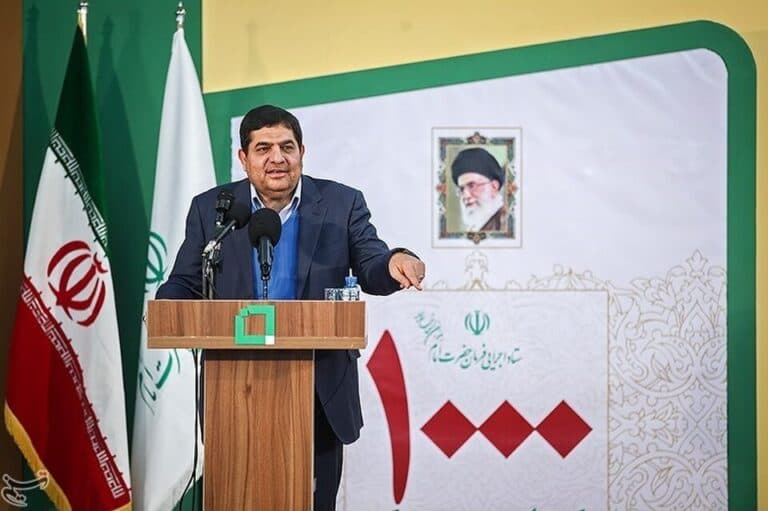
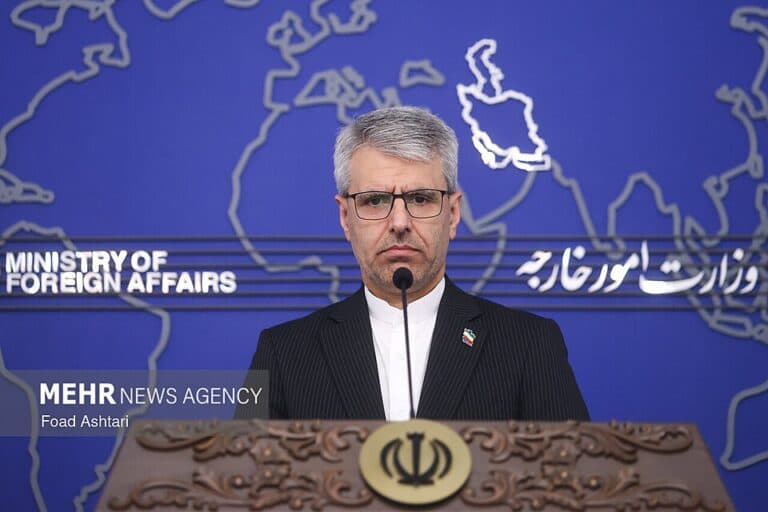
Iran threatens Gulf data centers and other critical digital infrastructure if another major confrontation erupts, according to Mohsen Rezaee, secretary of Iran’s Supreme National Security Council. His warning also placed valuable American assets in the United Arab Emirates and around the Strait of Hormuz within Tehran’s potential future target set.
Rezaee said a renewed war could destroy communication cables, data centers and artificial intelligence facilities across the region. He also said the United States has valuable assets in the UAE and near Hormuz that Iran has not yet targeted. Reports on his remarks described the warning as an expansion of Iran’s potential targets beyond conventional military and energy infrastructure.
“If war breaks out again, many communication cables, data centers, artificial intelligence facilities, and other sites in the region will be destroyed,” Rezaee said. He added that another confrontation would bring a “much broader and more comprehensive plan.”
Proverbs 24:5 says, “A wise man is strong, and a man of knowledge increases strength.” Modern national strength increasingly depends on information as much as weapons. Iran’s threat reflects that reality by placing the digital infrastructure behind communications, finance and artificial intelligence inside the strategic battlespace.
Iran Threatens Gulf Data Centers and Undersea Cables
The warning carries unusual weight because Gulf states have invested heavily in becoming global technology hubs. Microsoft and Abu Dhabi-based G42 announced a 200-megawatt expansion of UAE data-center capacity last year. Microsoft also outlined more than $15 billion in UAE investments covering cloud and artificial intelligence infrastructure.
Those systems depend on physical infrastructure that remains vulnerable during war. Undersea fiber-optic cables carry about 99% of global internet traffic, according to Reuters. Several important networks cross waters around the Strait of Hormuz and connect Gulf economies to the wider world.
Damage to those cables could affect far more than social media or ordinary internet access. Financial transactions, cloud computing, shipping systems and government communications all depend on reliable connectivity. Satellite networks can provide backup capacity, but experts told Reuters they cannot replace the volume carried through subsea fiber.
Rezaee’s remarks therefore broaden the significance of the Hormuz confrontation. Iran has already used the strait as leverage against shipping and energy markets. Tehran is now publicly identifying the region’s digital economy as another area that could suffer in a future war.
U.S. Assets in the UAE Enter Tehran’s Warning
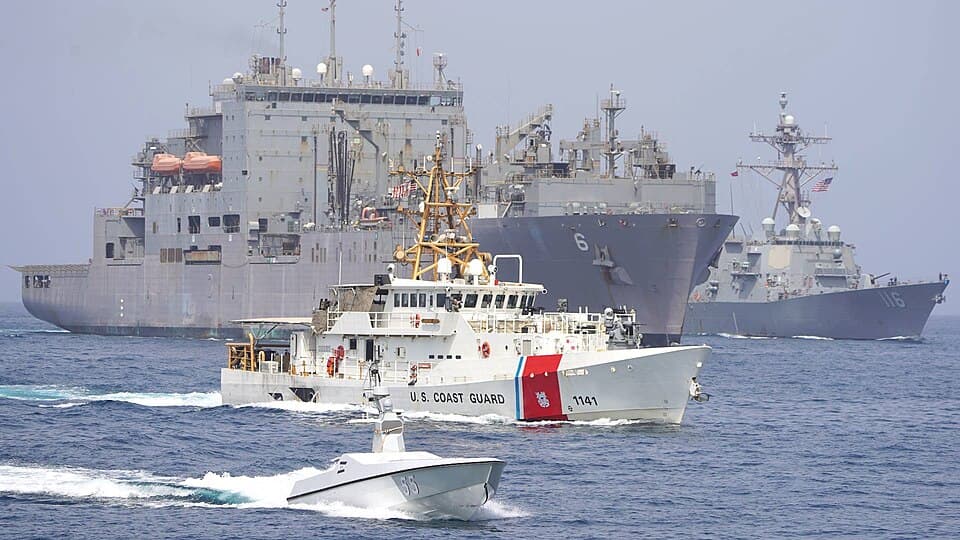
The warning also directly concerns Washington. The United States maintains important military assets in the UAE, including forces associated with Al Dhafra Air Base. U.S. Air Forces Central has described the installation as important to regional airpower, defense and coalition operations.
Rezaee did not publicly identify every American facility he had in mind. However, he specifically referred to U.S. assets in the UAE and around the Strait of Hormuz. That language leaves the threat broader than any one military installation.
It also follows Tehran’s earlier warnings to neighboring governments. In “Iran Warns Neighbors Against Hosting U.S.-Israel Attacks,” Iran said countries that allow American or Israeli forces to use their territory in future attacks could face a different response from Tehran. The latest remarks move beyond host countries themselves and identify infrastructure inside the region as potential targets.
The warning arrives while negotiations over Hormuz remain unresolved. Rezaee said Sunday that Washington’s response to Iran’s conditions for reopening the strait was “insufficient.” Reuters reported that Tehran continues to demand answers on several issues before restoring full access or returning to negotiations.
Iran has also continued applying military pressure around the waterway. Recent attacks have struck commercial vessels beyond the immediate strait, while shipping traffic has again fallen. The widening confrontation has placed energy supplies, maritime trade and now digital infrastructure inside the same regional contest.
Israel has a direct interest in that shift. The Jewish state relies on regional intelligence, communications and technological cooperation while confronting Iran across several domains. Damage to Gulf digital infrastructure could therefore disrupt partners and systems far beyond the country where an attack occurs.
The United States faces an equally important challenge. American companies have poured billions into the UAE’s growing technology sector. U.S. forces also depend on secure regional communications and logistics. A conflict that expands into data centers and undersea cables would blur the boundary between a conventional military confrontation and an attack on the infrastructure supporting the global digital economy.
From Oil Chokepoint to Digital Chokepoint
Hormuz has traditionally drawn attention because of energy. The strait normally carries a major share of the world’s oil and liquefied natural gas. Iran’s actions there have already driven up freight costs, insurance premiums and danger pay for crews.
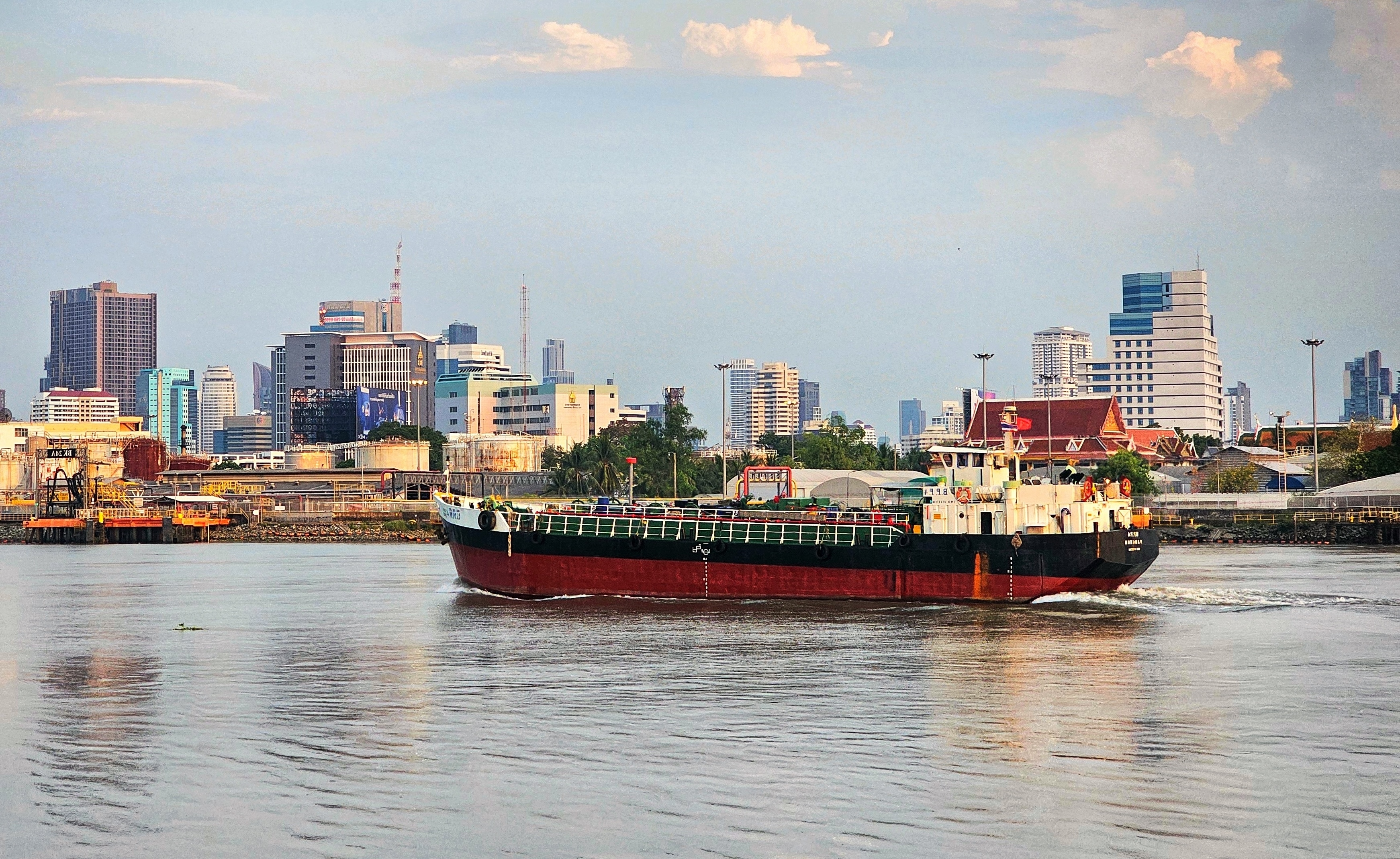
The same geography now creates a digital vulnerability. Fiber-optic cables run beneath waters already exposed to naval operations, mines and attacks on commercial vessels. Reuters reported earlier this year that conflict around Hormuz had heightened concern over damage to cables serving the Gulf.
The UAE and other Gulf countries have spent years trying to diversify beyond hydrocarbons. Artificial intelligence, cloud computing and advanced technology form major parts of that strategy. A threat against those industries therefore targets not only physical facilities but the economic transformation Gulf governments are trying to build.
The UAE itself has joined international calls for Iran to stop attacks on commercial shipping and civilian infrastructure. In March, it joined a multinational statement describing freedom of navigation through Hormuz as fundamental to international security and prosperity.
Guarding the Infrastructure of Free Nations
Israel’s covenantal mission before God places the defense of life, sovereignty and national continuity among the responsibilities of Jewish statehood. In the modern era, fulfilling that responsibility requires protecting more than borders and military bases. Communications networks, data infrastructure and technological capacity now support the country’s ability to function during war.
America’s covenantal mission follows a different historical path, but it also depends on defending ordered liberty and the systems that sustain it. American military power, technological leadership and freedom of commerce increasingly rely on digital infrastructure spread across allied countries. Threatening that infrastructure therefore creates consequences well beyond the Gulf.
Rezaee’s warning illustrates how the regional conflict is changing. Oil terminals and military bases remain potential targets, but cables, servers and artificial intelligence systems now sit alongside them.
That raises the cost of any renewed confrontation. A strike on a tanker disrupts energy. An attack on a data center or communications cable could disrupt information, commerce and security at the same time.
For more stories on Israel, faith, and the values behind the headlines, follow Sinai on Facebook and Instagram.
Discussion0
No comments yet — be the first to share your thoughts.