Iran War Warning: Army Chief Says Fight Is Not Over
Iranian Army chief Amir Hatami says the war is not over and warns that regional insecurity could spread as tensions with the U.S. and Israel persist

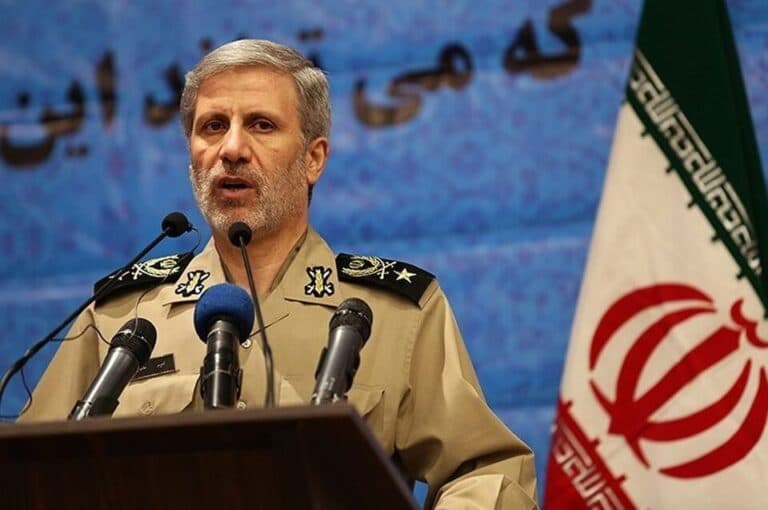
A new Iran war warning from Army Commander Major General Amir Hatami is adding pressure to an already fragile regional security picture. Speaking Sunday, Hatami said Tehran does not consider the conflict finished and must remain prepared to deliver further “heavy blows” against its enemies. He also warned that if the wider region lacks security, “it will not be secure for anyone.” Iranian state media presented the remarks as a warning to both the United States and Israel.
Hatami also urged neighboring governments to rely less on American security guarantees. He argued that regional stability should come from the countries of the region themselves and called for the eventual removal of American and Israeli military power. His remarks come while Tehran is simultaneously pursuing negotiations over the Strait of Hormuz and preparing for the possibility of renewed fighting.
Psalm 34:14 says, “Seek peace, and pursue it.” The verse does not describe peace as passivity. It presents peace as something that must be actively pursued, which makes the present contradiction especially stark: diplomacy continues while military leaders warn that insecurity could spread across an entire region.
Iran War Warning Extends Beyond the Battlefield
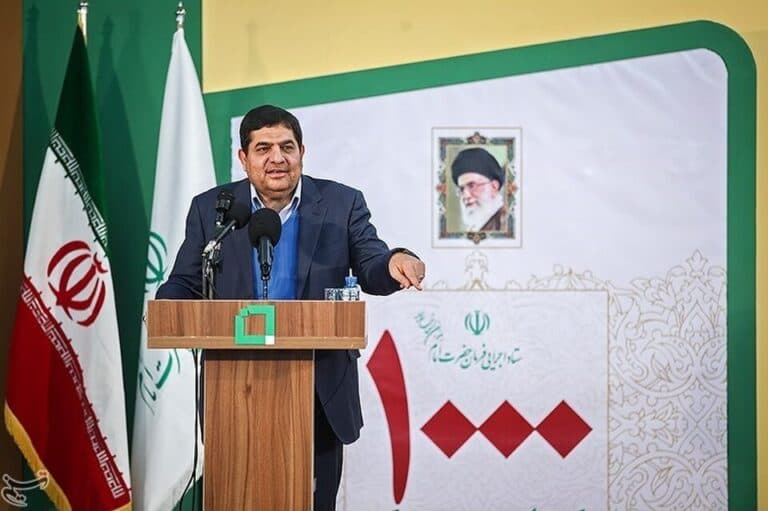
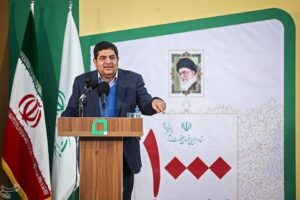
Hatami’s language matters because it resembles a wider pattern in recent Iranian statements. Senior officials have increasingly warned neighboring states that cooperation with Washington could expose them to consequences. Mohammad Mokhber, a senior adviser to Iran’s Supreme Leader, recently said regional air travel should be “free for all or for no one” after countries began restricting Iranian flights under new American sanctions.
That escalation was examined in “Iran Aviation Threat: Mokhber Warns Regional Airports.” Mokhber’s warning focused on civilian aviation, while Hatami is now speaking from the military level. Together, the statements suggest Tehran wants neighboring governments to understand that pressure on Iran could carry wider regional costs.
The immediate context remains volatile. The IRGC warned earlier this month that it could change its military strategy and targets if the United States escalated further. Meanwhile, shipping through the Strait of Hormuz continues to face disruption, and Iran has linked reopening the waterway to reduced U.S. military pressure and the lifting of Washington’s blockade.
For Gulf governments, that creates a difficult calculation. Many host American forces or maintain close defense relationships with Washington. At the same time, they sit within range of Iranian missiles and drones and depend heavily on stable airspace, ports and energy infrastructure.
Israel and the U.S. Face the Same Deterrence Question
Israel has a direct reason to take Hatami’s warning seriously. Tehran continues to describe the confrontation as unfinished, while Iranian officials have emphasized military readiness and the possibility of renewed strikes. Iranian military figures have also discussed preparing for a prolonged conflict with both the United States and Israel.
Washington faces a broader regional burden. American forces remain deployed across the Middle East, while U.S. sanctions are now reaching Iranian aviation, banking and energy networks. Treasury’s September aviation package sanctioned 36 targets and warned foreign companies against servicing Iranian carriers that Washington says have supported weapons and personnel transfers.
The strategic issue is therefore larger than whether Iran launches another round of missiles. Tehran appears to be signaling that pressure on the Islamic Republic could be answered through multiple theaters, including shipping, aviation and American interests across the region. Washington and Jerusalem must account for that possibility while deciding how much pressure to maintain and what conditions would justify a negotiated end to the conflict.
At the same time, threats are not the same as demonstrated intent. Hatami did not announce a new operation or identify specific targets. His statement establishes Iran’s posture and deterrent message, but the next steps will depend on military decisions, negotiations and the actions of all sides.
Security as a Covenant Responsibility
Israel’s covenantal mission places the preservation of Jewish life and sovereignty at the center of national responsibility before God. That gives Israel a particular obligation to take threats from a state that has repeatedly supported armed groups targeting Israelis seriously. Deterrence, intelligence and the ability to defend the country are therefore not abstract strategic concepts within the Israeli experience.
America’s covenantal tradition is different, but it also links power with responsibility. The United States has obligations to protect its citizens, military personnel and allies while avoiding unnecessary regional escalation. That means strength must serve a defined objective rather than allow a conflict to continue indefinitely without a political end state.
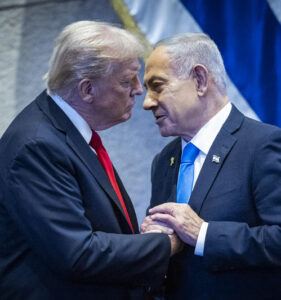
Hatami’s warning sharpens that tension. Iran says it wants a regional security order without American or Israeli military influence. Washington and Jerusalem view Iranian military power and Tehran-backed armed groups as central sources of the instability they are trying to contain.
The latest Iran war warning therefore reinforces a reality that diplomacy has not yet resolved. Tehran’s political leadership continues to discuss negotiations, but its military leadership is preparing publicly for more fighting. Whether those two tracks eventually produce a settlement or another round of escalation will shape security far beyond Iran’s borders.
For more stories on Israel, faith, and the values behind the headlines, follow Sinai on Facebook and Instagram.
Discussion0
No comments yet — be the first to share your thoughts.