Iran Warns Neighbors Against Hosting U.S.-Israel Attacks
Iran warned neighboring countries that future use of their territory by U.S. or Israeli forces could bring a “different response” from Tehran

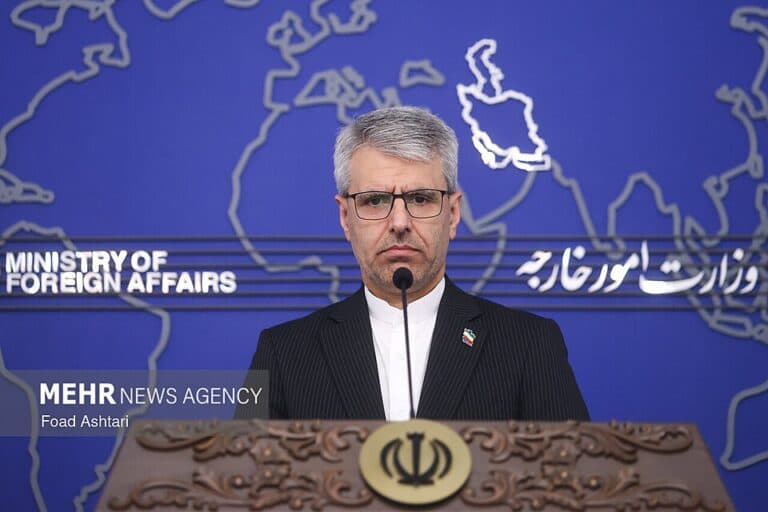
Iran issued a new regional warning Sunday, telling neighboring states not to allow the United States or Israel to use their territory or military facilities for future attacks. Foreign Ministry spokesman Esmaeil Baghaei said Tehran had already raised objections with governments it says assisted earlier strikes.
“If in the future we witness another aggression by America and the Zionist regime and their soil is used to attack Iran, certainly the response will be different,” Baghaei said. He did not publicly specify what that response would involve or identify particular countries in the warning. Iranian state media said Tehran has communicated its concerns directly to regional governments.
Proverbs 22:3 says, “A prudent man foreseeth the evil, and hideth himself.” Across the Gulf, that principle now carries strategic weight. Governments must balance relations with Washington, ties with Tehran and the risks created when military operations cross national borders.
Iran Regional Warning Raises the Stakes
Baghaei argued that neighboring countries have responsibilities under what Tehran calls the principle of good neighborliness. He said regional states should prevent their territory and infrastructure from being used against Iran. Tehran also says it raised those concerns during meetings with Gulf governments around the UN General Assembly.
The warning fits a broader Iranian effort to raise the potential cost of renewed U.S. or Israeli military action. Reuters reported in August that Iranian officials had warned Gulf governments that another major American attack could trigger retaliation against U.S. assets and regional energy infrastructure. The latest statement broadens that deterrence message toward any neighboring territory Tehran believes facilitates attacks.
At the same time, Iran continues preparing for the possibility that diplomacy fails. Reuters reported this week that Iranian military planners are considering a stronger response to renewed attacks. Potential targets could extend beyond American military assets to allied locations elsewhere in the region.
Economic Pressure and Military Deterrence Converge
The warning comes as Iran faces deep economic pressure at home. That pressure was visible in “Iran Oil Minister Resigns as Energy Crisis Deepens,” which examined Mohsen Paknejad’s departure amid falling oil exports, a record-low rial and growing strain on Tehran’s energy sector.

Those economic problems make the regional security picture more complicated. Tehran is under pressure from sanctions, disrupted trade and restrictions on oil revenue. Yet it continues trying to preserve military deterrence by warning that neighboring countries could face consequences if they facilitate another attack.
Washington and Israel therefore face a familiar strategic problem. Military access across the region can improve operational reach, intelligence and logistics. However, every host country must also calculate the possibility that Iran could retaliate against its infrastructure or population.
That calculation is already reshaping Gulf security. Reuters has reported growing concern among regional states about dependence on the U.S. security umbrella, particularly as Iran threatens energy facilities and the wider war disrupts shipping and aviation. Saudi Arabia, Qatar, the UAE and other governments are simultaneously strengthening defenses and pursuing diplomatic channels intended to prevent another major escalation.
Security Alliances Carry Real Responsibilities
Israel views regional access and intelligence cooperation through the lens of a direct military threat from Iran. Iranian missiles, drones and aligned armed groups have made Tehran a central part of Israel’s security planning. Any restrictions on regional cooperation can therefore affect Israel’s ability to detect and respond to threats.
The United States faces a related but broader challenge. American forces and facilities across the Middle East support deterrence, intelligence gathering and regional defense. Tehran’s latest warning is designed to make host governments question whether supporting those operations could expose them to retaliation.
Israel’s covenantal mission before God places the defense of Jewish life and sovereignty at the center of national responsibility. America’s covenantal tradition developed differently, but it likewise places weight on defending allies and using national power with clear purpose. In both cases, alliances carry responsibilities as well as benefits.
Iran’s warning does not mean regional states will abandon cooperation with Washington or Israel. It does show how Tehran is trying to change their calculations by increasing the perceived cost of that cooperation.
The central question is therefore not only whether another round of strikes occurs. It is whether Iran can convince neighboring governments that allowing U.S. or Israeli operations from their territory creates more danger than refusing them.
For more stories on Israel, faith, and the values behind the headlines, follow Sinai on Facebook and Instagram.
Discussion0
No comments yet — be the first to share your thoughts.