
Iran Says 60-Day Deadline Has Lost Its Meaning
Iran’s Foreign Ministry said the 60-day period in the U.S.-Iran memorandum has lost meaning after accusing Washington of violating the deal

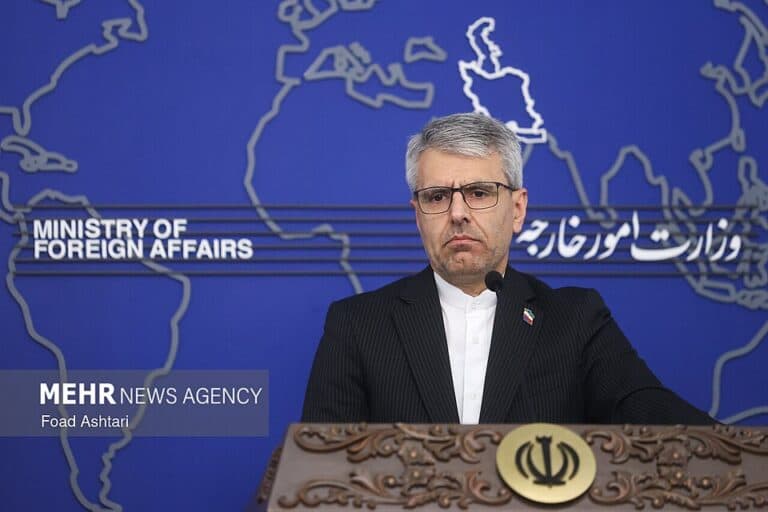
Iran 60-day deadline claims shifted sharply after Tehran argued that the ceasefire clock tied to its memorandum with the United States has “completely lost its meaning.”
An Iranian Foreign Ministry spokesperson said the memorandum of understanding does not include a clause titled “60-day deadline.” The spokesperson added that Iran never shapes its policy under pressure, ultimatums, or time limits.
According to Tehran, the memorandum only set a 60-day period for talks on two issues: lifting sanctions and the nuclear file. Iran also said that period could be extended. However, the spokesperson claimed the talks never began because of what Iran called a “blatant and extensive violation” of the June 18 memorandum by the United States.
The Tanakh says, “A false witness shall not be unpunished, and he that speaketh lies shall perish.” That verse fits the moment because Iran is now fighting over language, deadlines, and blame. In diplomacy with Tehran, words are often used as weapons before missiles move.
Iran 60-Day Deadline Dispute
The Iranian statement attempts to reframe the entire memorandum. Trump described the arrangement as a 60-day window, after which he said he could act freely. Iran now says the “deadline” label is meaningless because the talks never started.
That distinction matters. If Tehran can erase the pressure of a deadline by claiming violations, it can turn every agreement into an argument over process. That approach gives Iran room to delay while continuing to demand sanctions relief and nuclear concessions.
The spokesperson’s remarks also show how Tehran is trying to avoid the political cost of the window expiring. Instead of admitting that the 60 days produced no final deal, Iran says the clock no longer counts.
Trump’s Pressure Window

The dispute follows “Trump’s Iran Window Expires As Sanctions Loom.” That article reported that the 60-day window from Trump’s Iran memorandum was set to expire as Washington prepared new sanctions and kept blockade pressure on Tehran.
Iran’s new position does not weaken the pressure. It explains why the pressure matters. Tehran is trying to deny the meaning of the deadline at the exact moment Washington is expected to increase economic measures.
For Israel, the issue is clear. Iran has a long history of using negotiations to preserve its nuclear program, protect its missile network, and keep pressure on Israel through proxies. A debate over wording cannot hide that broader strategy.
The United States now faces a test of leverage. If Iran can declare the deadline irrelevant and still demand talks on sanctions and the nuclear issue, Tehran will treat delay as a victory. If Washington holds the line, the memorandum becomes what Trump said it was: a window that closes.
Covenant Of Clarity Under Pressure
The United States and Israel share a covenantal worldview that treats truth as a national duty before God. Both nations, at their best, understand that peace requires honest terms, firm consequences, and the courage to confront regimes that twist agreements into cover for aggression.
That shared American-Israeli instinct matters with Iran. America must defend the credibility of its word and the strength of its pressure. Israel must read every Iranian legal argument through the lived reality of missiles, proxies, nuclear threats, and repeated calls against the Jewish state.
Iran’s statement is not only about a calendar. It is about whether Tehran can turn a 60-day window into an open-ended escape route.
Trump said he had a window. Iran says the window lost its meaning. The next move will show whether American pressure still defines the terms, or whether Tehran can rewrite them after the fact.
For more stories on Israel, faith, and the values behind the headlines, follow Sinai on Facebook and Instagram.
Discussion0
No comments yet — be the first to share your thoughts.