
Trump’s Iran Window Expires As Sanctions Loom
The 60-day window from Trump’s Iran memorandum is set to expire as Washington prepares new sanctions and keeps blockade pressure on Tehran

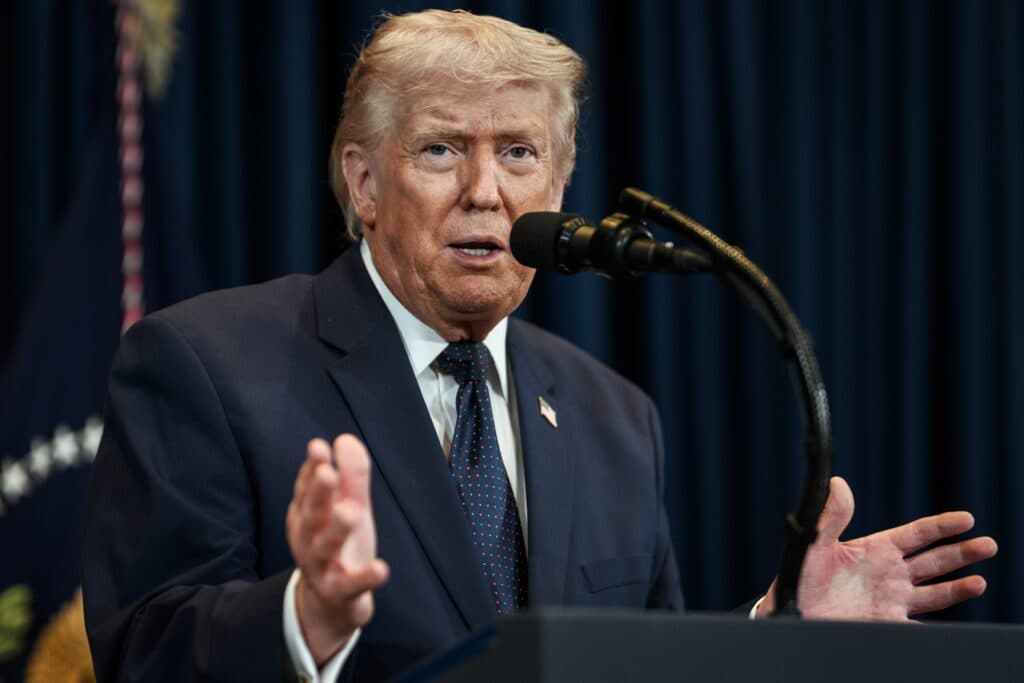
Trump Iran MOU pressure is reaching a decisive moment as the 60-day ceasefire window from the U.S.-Iran memorandum of understanding nears its expiration.
On June 21, President Donald Trump defended the memorandum by pointing to the immediate movement of oil through the Persian Gulf. “Nineteen million barrels of crude oil left the Persian Gulf yesterday as a result of this memorandum of understanding with the Iranians,” Trump said.
He also made clear that the agreement gave him a limited window, not an open-ended concession. “I have a 60-day window,” Trump said. “After that, I can do whatever I want.”
The Tanakh says, “To every thing there is a season, and a time to every purpose under the heaven.” That verse fits the moment because diplomacy also has seasons. There is a time to test an agreement, and there is a time to judge what the other side did with it.
Trump Iran MOU Window
Tomorrow, the 60 days of the ceasefire from the memorandum of understandings between Iran and the United States will expire. In Israel, that memorandum caused deep concern during the first weeks after it was signed. Many feared that Washington had given Tehran time, money, and room to recover.
Now the picture looks different. The United States is expected to announce new economic sanctions on Iran this week. Treasury Secretary Scott Bessent described the coming measures as unprecedented, saying they would be unlike anything Iran had seen before.
The American naval blockade is also in effect. Senior figures in the Iranian regime have admitted that the pressure is having an impact. What looked at first like a dangerous pause may now look more like a pressure trap.
From Fear To Pressure
The lesson is not that concern in Israel was foolish. Israel had reason to worry. Iran has a long record of using negotiations to buy time, protect its nuclear program, and shift pressure away from the regime.
Still, the 60-day structure now appears more calculated than many critics first believed. Trump gave Iran a window, tested whether Tehran would move, and kept open the option to escalate after the deadline.
That same logic appeared in “Trump Demands Iran Pay Compensation For Terror Victims.” In that article, Trump demanded that Iran compensate victims of Iranian-backed attacks and repression after Tehran reportedly sought damages from the recent military confrontation. The message was clear: Washington would not let Tehran frame itself as the victim while ignoring decades of terror, hostage-taking, and proxy warfare.
The MOU now sits inside that larger strategy. Iran wanted relief, time, and leverage. Trump appears ready to answer with sanctions, blockade pressure, and a reminder that the window was never permanent.
Covenant Of Strength And Judgment
The United States and Israel share a covenantal understanding that mercy must never become blindness. Both nations, at their best, know that peace requires truth, justice, and the courage to confront evil when it refuses correction.
That shared American-Israeli worldview matters with Iran. Israel sees the regime through its missiles, proxies, nuclear ambitions, and threats against the Jewish state. America sees a regime that attacks regional order, threatens energy routes, and uses terror networks to pressure free nations.
If we had known the day after the signing what we know today, many words and arguments would have been spared. The real test was never whether Iran could enjoy 60 days of temporary relief. The test was whether Tehran would use that window to change course.
Now the deadline is arriving. If Iran chose delay over surrender, then Trump’s next move will matter for Israel, America, and the entire region.
For more stories on Israel, faith, and the values behind the headlines, follow Sinai on Facebook and Instagram.
Discussion0
No comments yet — be the first to share your thoughts.